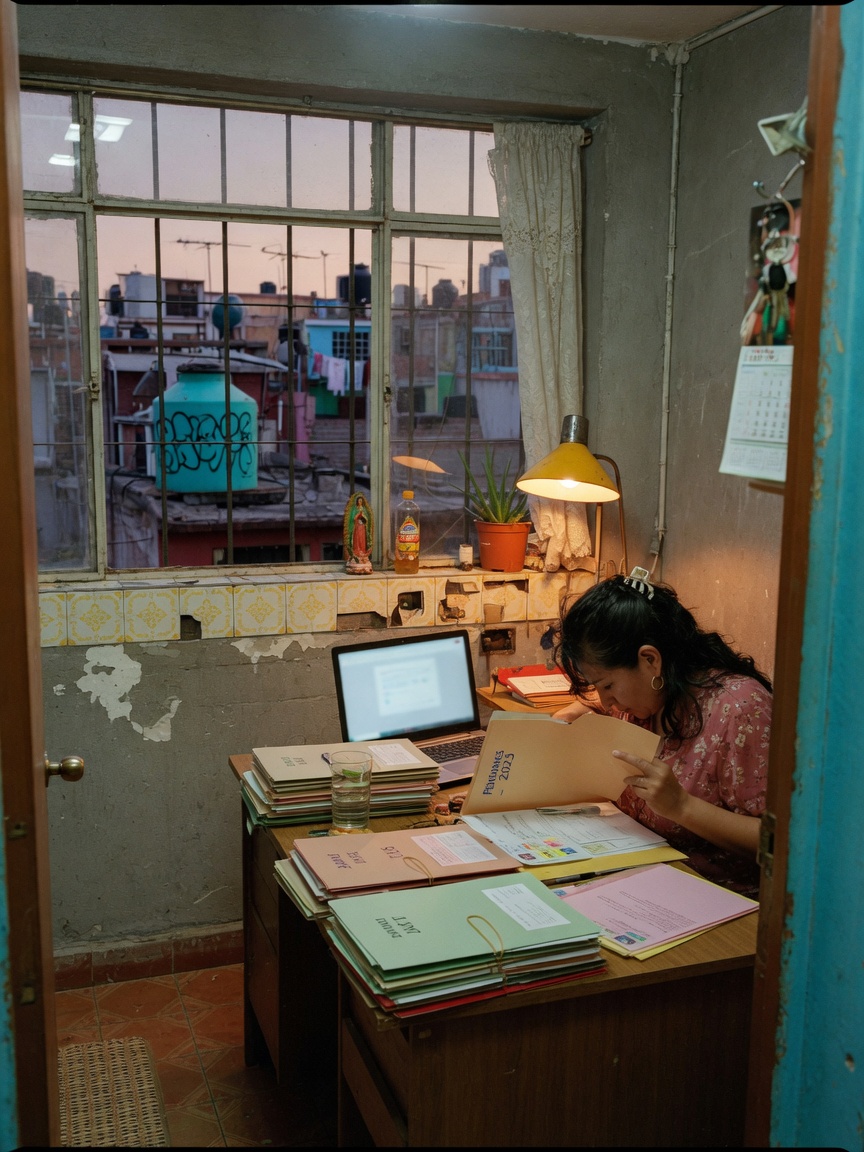
Caregiver families use technology to centralize communication, manage schedules, and share updates, which reduces logistical stress. A private family network like Kinnect consolidates these tools into one safe space, filtering out the noise of group texts to foster genuine connection.
Kinnect is now LIVE! Start your private family group today.
👉 Try Kinnect on the Web
👉 Download the iOS App
Caregiver family technology works by providing a centralized digital hub for communication, scheduling, and information sharing. These tools help coordinate tasks, manage appointments, store important documents, and provide emotional support, reducing the logistical burden and stress on the primary caregiver and the entire family unit.
If you're one of the 53 million Americans providing unpaid care for a loved one, you know the feeling. It’s a constant juggle of doctor's appointments, medication schedules, and emotional support, all layered on top of your own life's demands. The default tool for managing this complex dance is often a sprawling, chaotic group text. But this creates its own problem: the 'Messaging Noise' phenomenon. Our research at Kinnect shows that 70% of family group text messages are logistical noise—memes, GIFs, and one-word replies—that buries the meaningful updates and questions that truly matter.
Imagine trying to find your mom's new prescription details, but it's buried under 45 messages about your nephew's soccer game. This isn't just inefficient; it's emotionally draining. You're trying to build a support system, but the very tool you're using is creating more static. You need a signal, a clear channel dedicated to what matters most: care, connection, and peace of mind.
5 Essential Types of Tech for Modern Caregiver Families
Cutting through the noise requires choosing the right tools for the right job. Instead of a single, chaotic group chat, successful caregiving families build a 'digital toolkit' that separates logistics from connection, ensuring nothing important gets lost. Here are the five key pillars of a successful caregiver tech stack.
- Shared Digital Calendars: A unified calendar is non-negotiable. Tools like Google Calendar or Cozi allow everyone to see doctor's appointments, physical therapy sessions, and family visit schedules in one place, preventing double-bookings and confusion.
- Medication Management Apps: Apps like Medisafe or CareZone send reminders for medication times, track dosages, and can even notify family members when a dose is missed. This offloads a massive mental burden from the primary caregiver.
- Secure Document Storage: A secure cloud folder (like Dropbox or a dedicated HIPAA-compliant service) is crucial for storing vital documents. This includes medical records, power of attorney forms, insurance information, and end-of-life documents, accessible to key family members in an emergency.
- Telehealth Platforms: The ability to connect with doctors remotely saves immense time and energy. Familiarize yourself with your loved one's healthcare provider portal to manage appointments and communicate with their medical team efficiently.
- A Private Family Network: This is the heart of the system. While the other tools handle logistics, a dedicated platform like Kinnect brings it all together in a private, secure space. It’s designed to filter out the noise, providing a single source of truth for important updates while creating dedicated channels for the emotional support and memory-sharing that group texts fail to provide.
The chaos of coordinating care doesn't have to be your reality. You can replace the stressful noise of group texts and scattered emails with a single, private space for your family to connect and collaborate. Kinnect was built for this exact purpose—to be your family's secure hub for logistics, memories, and genuine support. We are now LIVE on the App Store and Web! Stop the overwhelm and start connecting meaningfully today.
Learn more about Kinnect or Download on the App Store.
Why is a private family network better than group chat?
A private family network like Kinnect is designed specifically for family communication, separating vital updates from social chatter. Unlike group chats, it provides organized spaces for different topics, secures sensitive information, and prevents important details from being buried under memes and casual replies.
How can technology reduce caregiver burnout?
Technology reduces burnout by automating reminders, centralizing information, and simplifying communication. When caregivers don't have to manually track every appointment and medication or repeat updates to multiple people, it frees up significant mental and emotional energy, allowing them to focus on providing quality care.
What is the best way to share medical updates with family?
The best way is to use a secure, dedicated platform where updates can be posted once for everyone to see. This ensures consistency in the information shared, allows family members to ask questions in a single thread, and creates a historical record that can be easily referenced without scrolling through a chaotic group text.
