Honestly, seeing yourself clearly through growth and change means actively reflecting on your past self, acknowledging your evolution without judgment, and seeking input from people who have known you across different stages of life. It’s hard work, but it's crucial for feeling truly whole.
Kinnect is now LIVE! Start your private family group today.
👉 Try Kinnect on the Web
👉 Download the iOS App
I think one of the trickiest parts about really growing up is looking back at who you used to be. Like, really looking. Sometimes it's a little uncomfortable, right? You see pictures from ten years ago, or read old journal entries, and it's almost like you’re looking at a stranger. A younger, maybe a bit more naive, or even a totally different person. And you think, "Was that really me?"
It's a strange feeling, this disconnect. We change so much – sometimes gradually, sometimes in big, sudden shifts. But our memories are often fragmented. We remember big moments, sure, like a graduation or a first job. Yet the little choices, the small shifts, the daily experiences that shaped us? Those fade. So how do you piece together that story? How do you connect that past self to the person staring back in the mirror now?
Understand the Disconnect: Why Your Past Self Feels Foreign
It’s especially tough because sometimes we carry old narratives about ourselves that just aren’t true anymore. Maybe we were shy, or rebellious, or overly cautious. And maybe those labels stuck, both in our own minds and in the minds of others. Or maybe other people still see us in a way that doesn't reflect who we've truly become. And that can feel lonely, like you’re constantly trying to correct the record, even for yourself. You're trying to prove you're not that person anymore.
Integrate Every Version of You: Don't Erase Your Past
But here’s the thing: that past self isn’t gone. They’re an integral part of you. Truly understanding what shaped them is a huge step in seeing your current self clearly. It’s about integration, not erasure. It’s about recognizing that every version of you had a purpose, even if that purpose was just to teach you something. I think that's where family can really help us. They’re often the best keepers of those older versions of us. They remember things we've forgotten, sometimes for better or worse. They can offer a perspective that's both loving and honest, filling in gaps we didn’t even know were there.
Boost Your Well-being: Family Holds Your Story Together
And honestly, that perspective matters deeply for our own well-being. We know that people who feel a strong sense of family identity report 36% higher overall life satisfaction, according to a 2018 study in the Journal of Family Issues. Understanding your own story – your personal evolution – is key to that identity, and your family often holds crucial pieces of that puzzle. So leaning into those connections isn't just about them; it's about building a more complete, satisfied version of yourself, too.
Capturing your evolving story with family
So, how do we actually do this? How do we bridge that gap between who we were and who we are? One of the best ways, I think, is to intentionally seek out those old stories. Talk to your family. Your parents, your siblings, your aunts and uncles, even old friends. Ask them about specific times in your life. What were you like in high school? What did they think of that wild phase you went through in your twenties?
You might be surprised by what they remember. And what they remember might be different from your own memory. But that's okay. It’s not about finding the definitive truth. It’s about gathering perspectives and building a richer, more nuanced picture of your own journey.
Honestly, asking meaningful questions is one of the most effective ways to deepen relationships, and yet most people underestimate its impact, as a Harvard Business Review article pointed out in 2018. That goes for your relationship with yourself, too. Ask yourself those tough questions. Look at old photos, watch old home videos, read those journals. Not to judge, but to observe. To understand. To connect the dots.
It's about making peace with all the versions of you that have existed. The ones you loved, the ones you regret, the ones you barely recognize. They all contributed to the person you are right now. And giving them a place in your story, a real, acknowledged place, helps you feel more grounded, more whole.
But where do you keep all these scattered pieces? All these memories, these insights from family, your own reflections? It's easy for it all to just float away again, right? We talk about it, and then life moves on. That’s where something like Kinnect comes in. It’s a private, invite-only platform that helps families preserve memories, stories, and essential life information across generations.
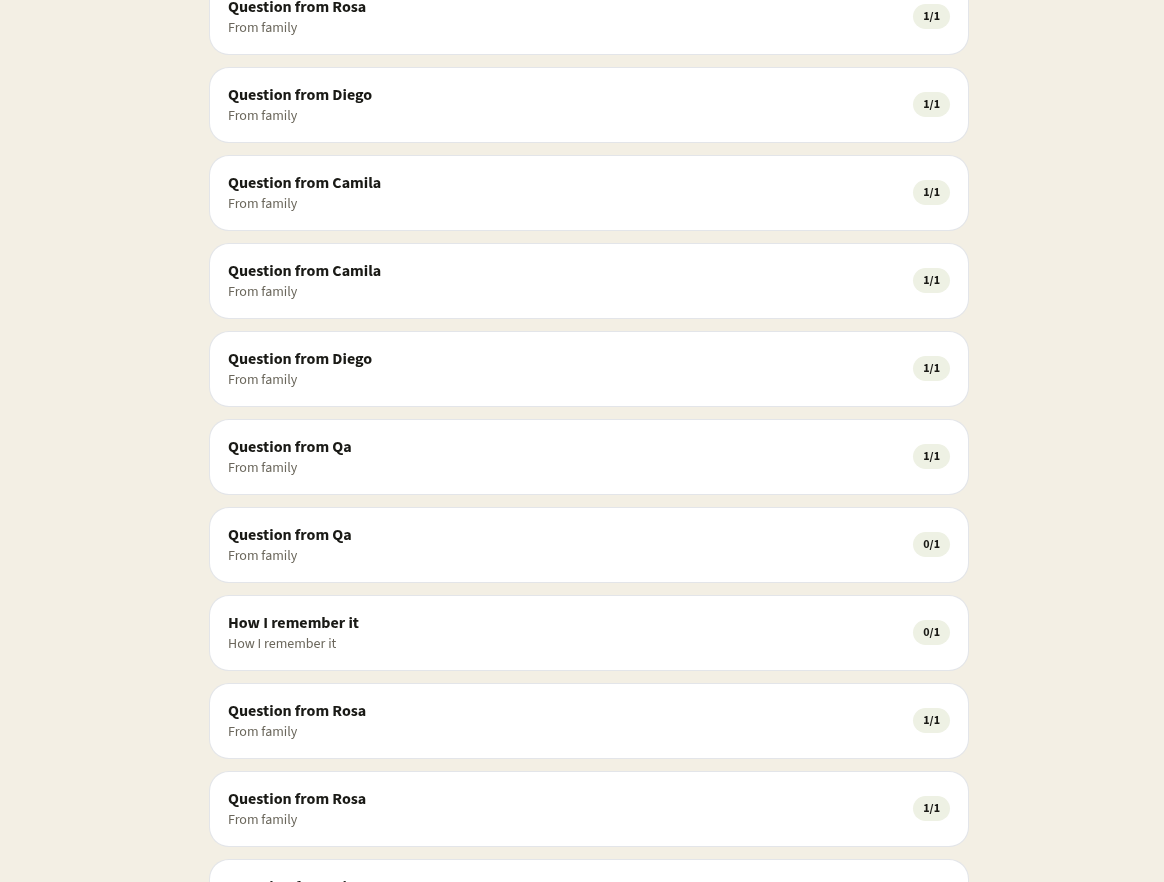
It’s not a social feed where things get lost. It's more like infrastructure for your family’s legacy. With Kinnect's Echo feature, for example, you answer prompts over time, and those daily answers build into a permanent, private archive. It’s a growing record of your family's real stories, including your own evolving narrative. Each answer is dated, searchable, and stays in your Kin Group forever. It lets you capture your story as it unfolds, so you don’t have to piece it all together from scratch years down the line. It's a way to ensure these moments of growth and change are saved before they're gone. And it helps your family understand you better, too. You can also use Kinnect to start a conversation about your past, linking to posts like How to craft a compelling life story or Benefits of intergenerational storytelling.
Q: What if I don't like who I used to be?
It's totally normal to feel that way. Growth often means leaving behind aspects of ourselves we no longer align with. The goal isn't to glorify your past self, but to acknowledge their journey and how they contributed to the person you are today. Compassion and acceptance are key here.
Q: How do I get my family to open up about their memories of me?
Start with specific, open-ended questions rather than broad ones. Instead of "What do you remember about me?", try "What was I like when I was 10?" or "Do you remember that time I [specific event]? What was your take on it?" Make it a casual conversation, not an interrogation. And share some of your own memories first to encourage reciprocity.
Q: Is it okay to change my mind about past experiences?
Absolutely. Our understanding of past events evolves as we gain new perspectives and grow. It's not just okay, it's a sign of ongoing personal development. Your memories are yours to interpret and reinterpret as you continue to learn and change.
Q: What if I feel disconnected from my family?
You're not alone in feeling this. Many families drift apart, and that's hard. But reconnecting doesn't have to be a huge undertaking. Start small, with a call or a shared photo. Focus on one person if the whole group feels overwhelming. The act of reaching out, even with a simple question about a shared past, can be a powerful first step in rebuilding those bridges.
Keep reading
Kinnect is now LIVE!
Experience the private family network on the web or download the iOS app today.