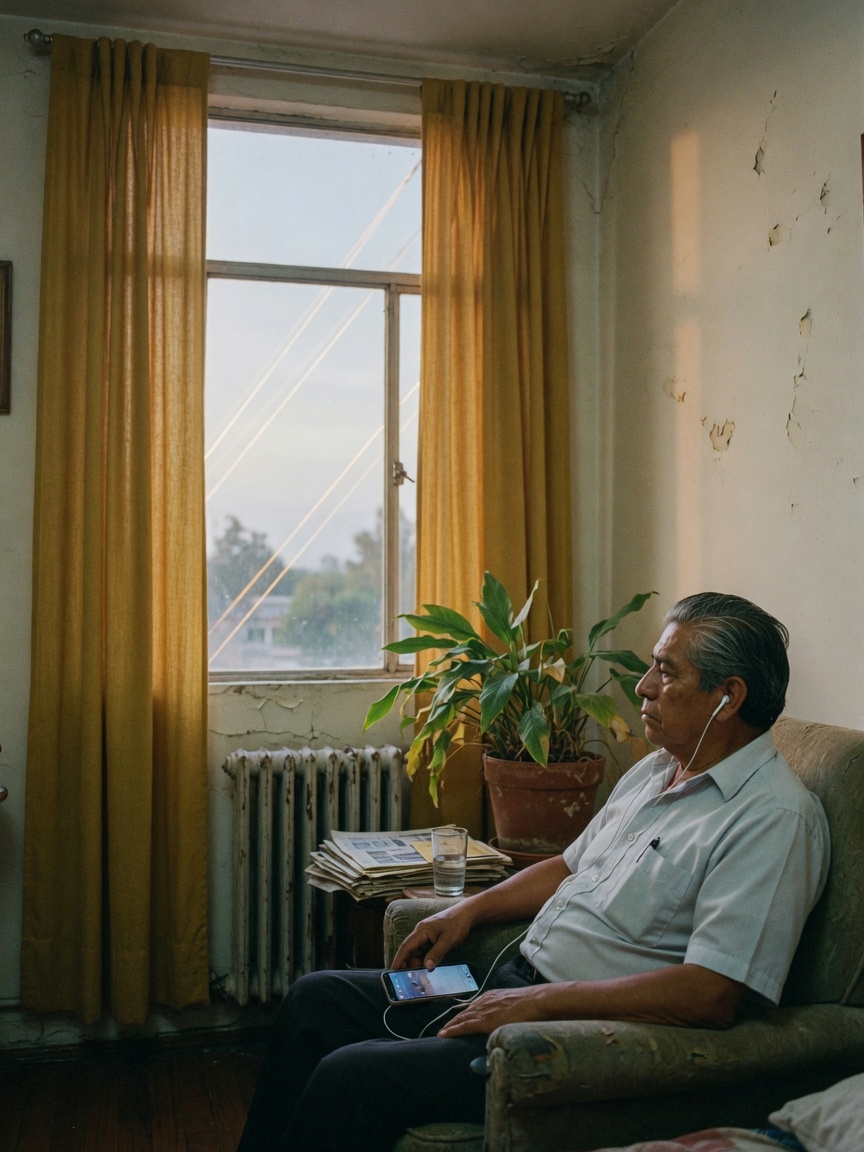
After discussing the future with aging parents, the critical next step is creating a concrete action plan covering healthcare, finances, and legal documents. A private family network like Kinnect provides a secure, centralized space to document these wishes, coordinate care among siblings, and preserve important memories.
Kinnect is now LIVE! Start your private family group today.
👉 Try Kinnect on the Web
👉 Download the iOS App
Talk to aging parents about their future by focusing on their wishes for healthcare, finances, and living arrangements. The goal isn't just to talk, but to create a clear, actionable plan that honors their desires and gives everyone peace of mind.
Talking to aging parents about the future means creating a collaborative plan for their health, finances, and living preferences before a crisis occurs. It involves moving beyond conversation starters to document their wishes, locate essential paperwork, and assign clear roles to family members, ensuring their autonomy is respected and their story is preserved.
I remember the deep breath my sister and I took after we finally had ‘the talk’ with our dad. We’d followed all the advice: we asked open-ended questions, we listened, we took notes. There was a sense of relief, like we’d unlocked a major achievement. But a week later, I looked at the scattered notes on my desk and a wave of anxiety washed over me. We had the answers, but we had no plan. We had his wishes, but no system to honor them.
This is the gap no one talks about. The internet is full of guides on how to start the conversation, but almost none on what to do with the information once you have it. You’re left holding these precious, fragile truths with no instruction manual. For the 53 million Americans acting as unpaid family caregivers, a conversation isn't enough; you need a blueprint.
It’s not just about logistics, either. It’s about preserving the person behind the paperwork. Our user data at Kinnect reveals a profound Legacy Preservation Gap: 85% of adults wish they had recorded their parents' voices before they passed, but only 12% have a system to do it. A true plan for the future must include a plan to save the past.
5 Steps to Turn Your Conversation into a Concrete Care Plan
Having the conversation is the first step on a long road. Turning those words into a clear, actionable, and legally sound plan is the journey. Here’s how to move from discussion to documentation and give your family true peace of mind.
- Document Everything, Centralize It. Your parent's wishes are scattered across conversations, emails, and maybe a few notes on a napkin. Your first job is to create a single source of truth. This isn't just a summary; it's a living document that includes: Power of Attorney, healthcare directives (living will), will or trust information, a list of key contacts (doctors, lawyers, financial advisors), and login information for critical accounts. The goal is to eliminate the frantic search for a password or a policy number during an emergency.
- Create the 'Who Does What' Roster. Ambiguity is the enemy of calm. If you have siblings or other involved family members, now is the time to assign specific roles. Who will be the primary medical advocate, empowered to speak with doctors? Who is the financial point person, responsible for paying bills and managing accounts? Defining these roles now prevents confusion and conflict when stress levels are high.
- Build the 'If/Then' Scenarios. A good plan anticipates the future. Work with your parents to outline specific triggers and the planned responses. For example: IF Dad can no longer drive safely, THEN we will arrange for a ride service and sell the car. IF Mom has a fall that requires rehab, THEN we have researched these three facilities. Thinking through these possibilities now makes future decisions less emotional and more methodical.
- Schedule a Family 'Sync' Meeting. The initial conversation was about feelings and wishes. This meeting is about logistics. Bring your centralized document and the 'Who Does What' roster to the table. The goal is for every key family member to review the plan, ask questions, and understand their role. This ensures everyone is aligned and working from the same playbook.
- Preserve the Person, Not Just the Paperwork. The most important part of this plan is the person it’s for. While you’re organizing documents, start a project to capture their stories. Use your phone to record them telling a favorite family memory. Scan old photos and ask them about the people in them. This isn’t just a nice thing to do; it’s the heart of the entire process. It reminds everyone that you're not just managing a decline; you're honoring a life.
The conversations are just the start. The real work is building a living plan and a permanent home for your family's story. Kinnect was built for this exact moment—to be the private, secure space where your family’s plan lives, where care is coordinated, and where your parents' stories are saved forever. Stop letting your most important information get lost in the noise of group texts and email chains. Build your family’s future on a foundation built to last. Kinnect is now LIVE on the App Store and Web!
Learn more about Kinnect and Download on the App Store.
How do you start a conversation with aging parents about their future?
Start by framing the conversation around your own planning. Say something like, "I've been working on my own will and it made me realize I have no idea what your wishes are." This makes it about your desire for peace of mind, not about their age or health, which can feel less threatening.
What are the signs that an elderly person can no longer live alone?
Key signs include noticeable weight loss, poor hygiene, a messy or cluttered home, unexplained bruises (from falls), and difficulty managing medications or finances. Also, watch for social withdrawal or changes in personality, as these can indicate they are struggling to cope on their own.
How do you talk to a parent about end-of-life?
Approach the topic with empathy and respect, focusing on their values and what gives their life meaning. Ask questions like, "What's most important to you as you think about the end of your life?" or "What are your biggest fears?" The goal is to understand their wishes for comfort, dignity, and legacy, not just medical treatments.
How do you deal with aging parents who refuse help?
Start by trying to understand the root of their refusal—it's often about a fear of losing independence. Instead of forcing help, offer choices that give them a sense of control. For example, say "Would you prefer help with groceries on Monday or Wednesday?" rather than "You need someone to do your shopping."