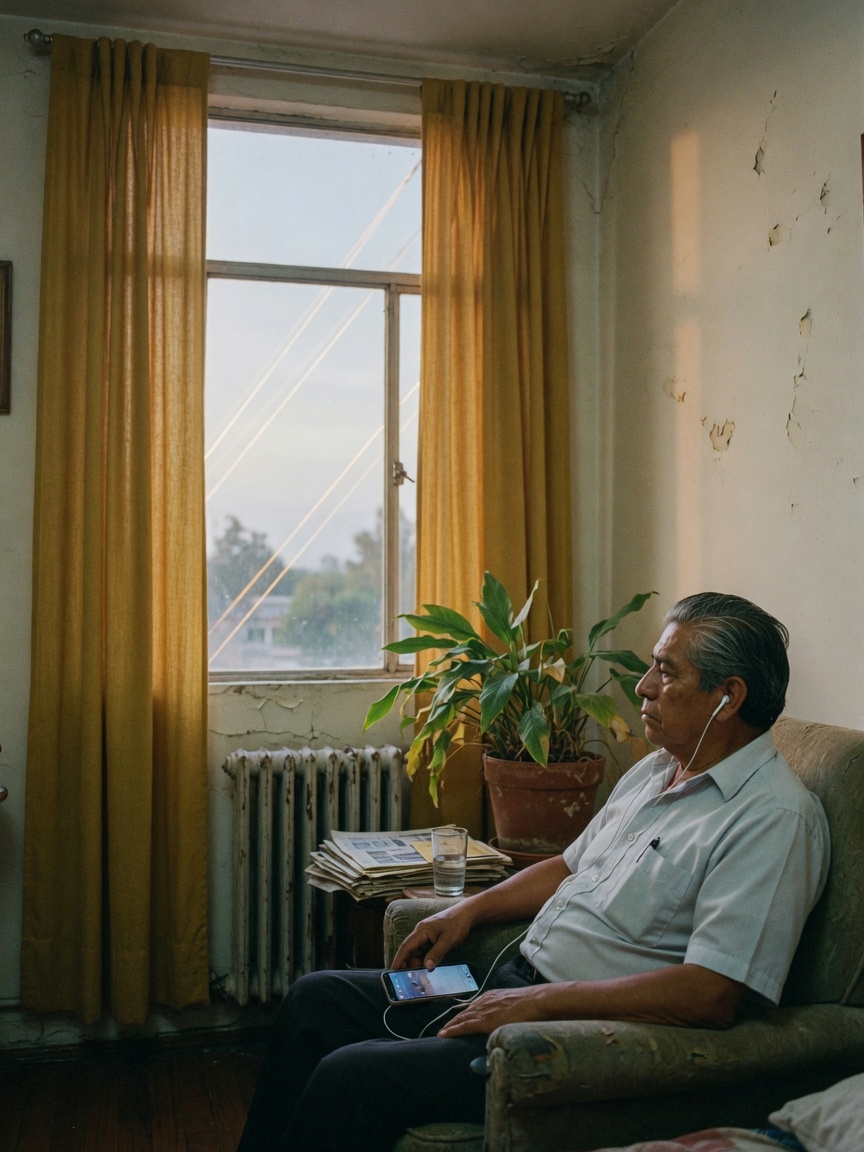
When an aging parent refuses necessary help, caregivers must shift from persuasion to a safety-focused action plan. This involves documenting risks, seeking professional assessments, and exploring legal options to ensure their well-being. A private family network like Kinnect can help coordinate these difficult conversations and decisions among siblings.
When an aging parent refuses help, it means they are declining necessary assistance for daily living, medical care, or safety, often due to a desire for independence, fear, or cognitive decline. The caregiver's role then shifts from persuasion to assessing risk and implementing a structured safety plan.
Kinnect is now LIVE! Start your private family group today.
👉 Try Kinnect on the Web
👉 Download the iOS App
I remember the exact moment the gentle approach stopped working with my own mom. We’d had a dozen conversations about her forgetting to take her heart medication. I tried every technique: expressing my love, framing it as helping *me* feel less worried, leaving notes. Then one afternoon, I found a full week's worth of pills still in the dispenser. The talks hadn't worked. Her safety was no longer a future concern; it was an immediate crisis. It’s a lonely, terrifying place to be, and it’s where the advice from most articles seems to end.
This guide is for when you’re past that point. You've been patient. You’ve been empathetic. But now, you must act to protect them. This isn't about winning an argument; it's about preventing a tragedy. Approximately 40% of family caregivers report high emotional stress from caregiving, and this exact scenario is a primary reason why. Let's build a practical plan, together.
The Shift: From Persuasion to Protection
Your first move is to change your objective. You are no longer trying to convince them they need help. You are now gathering the information needed to ensure they receive it, with or without their consent. This feels harsh, but it's one of the most profound acts of love you can perform.
Step 1: Become an Objective Journalist
Your memory and general worries are not enough. You need a detailed, factual log. Get a simple notebook or use a notes app and start documenting specific, observable events. Avoid emotional language. Instead of “Mom was really confused today,” write “Jan 15, 2pm: Mom couldn't remember her address when I asked. She tried to pay for groceries with her library card.”
Track things like:
- Medication Errors: Pills missed, wrong doses taken.
- Safety Incidents: Leaving the stove on, minor car accidents, falls.
- Cognitive Lapses: Forgetting names of close family, getting lost in familiar places, repeated stories in the same conversation.
- Hygiene & Nutrition: Unchanged clothes, spoiled food in the fridge, significant weight loss.
This log isn't for a confrontation with your parent. It's for the professionals you're about to bring in.
Step 2: Assemble Your Professional Team
You cannot and should not do this alone. It's time to get experts involved who can assess the situation impartially.
- Geriatrician: A primary care doctor specializing in older adults. They can screen for medical causes of cognitive change (like a UTI) and are the first step for a formal capacity assessment.
- Geriatric Care Manager: A social worker or nurse who acts as a professional guide. They can perform home safety assessments, connect you with local resources, and mediate family meetings.
- Elder Law Attorney: This is for when legal intervention becomes necessary. They can explain options like a Power of Attorney or Guardianship in a way that relates to your specific situation.
Navigating Medical and Legal Pathways for Safety
Step 3: Request a Mental Capacity Assessment
This is the formal process for determining if a person can make safe and informed decisions for themselves. A mental capacity assessment is not about intelligence; it's about executive function. Can your parent understand the consequences of their choices? For example, do they understand that not taking their medication could lead to hospitalization? This assessment is typically performed by a physician, neurologist, or psychiatrist. Your detailed log from Step 1 will be invaluable evidence for the doctor to see the full picture beyond what they observe in a 15-minute appointment.
Step 4: Understand Your Legal Options
If the assessment determines your parent lacks the capacity to make safe decisions, an Elder Law Attorney can guide you. The goal is to use the least restrictive option possible.
- Power of Attorney (POA): This legal document, ideally created when your parent *is* competent, appoints a trusted person (the agent) to make financial or healthcare decisions on their behalf if they become incapacitated.
- Guardianship/Conservatorship: This is a court-ordered arrangement used as a last resort when a person is deemed incapacitated and has no POA in place. The court appoints a guardian to manage their personal, financial, and medical affairs. It is a serious step that removes an individual's legal rights, and it's only pursued when there is a clear and present danger.
The Hidden Variable: The Legacy Preservation Gap
In the middle of this crisis, with all the focus on safety logs and legal documents, something vital gets lost: the person they still are. The parent who taught you to ride a bike, the one with the unforgettable laugh. Our research at Kinnect revealed something heartbreaking: 85% of Gen X adults report they wish they had recorded their parents' voices before they passed, yet only 12% have a system for doing so. The fight to keep them safe can eclipse the need to hold onto their stories. Even on difficult days, finding a moment to ask a question about their childhood or record a memory can be an anchor for you both, reminding you of the person you are fighting so hard to protect.
This entire process is a storm of logistics and emotions. Coordinating updates between siblings, keeping track of doctor's notes, and managing legal paperwork can feel like a full-time job. The constant noise of group texts and email chains often buries the important information and frays already stressed relationships. A single, private, and permanent home for your family's journey can bring order to the chaos. It’s a place to share a doctor’s summary, coordinate who is visiting when, and on the good days, save a story or a photo—a quiet space to manage the crisis without losing the connection.
Why do elderly parents refuse help when they need it?
Often, refusal stems from a deep fear of losing independence, denial about their own limitations, or cognitive changes like dementia that impair their judgment. They aren't trying to be difficult; they are trying to hold on to the life and identity they've always known.
How do you help a stubborn elderly parent who refuses care?
When gentle persuasion fails, shift your focus from arguing to action. Document specific safety concerns and present them to their doctor or a geriatric care manager. Involving a trusted third-party professional can depersonalize the conflict and reframe the conversation around health and safety, not control.
What are the signs an elderly person should not be living alone?
Key signs include noticeable decline in personal hygiene, unexplained weight loss, a dirty or cluttered home, difficulty managing finances (unpaid bills), and medication mismanagement. Frequent falls, confusion, or getting lost in familiar areas are also critical red flags that require immediate attention.
Learn more at Kinnect.