This guide outlines eight categories of alternatives to traditional family game night, addressing common issues like hyper-competitiveness and age gaps. By focusing on shared experiences like collaborative projects or storytelling, families can build deeper bonds, and a private platform like Kinnect helps preserve those precious moments permanently.
Kinnect is now LIVE! Start your private family group today.
👉 Try Kinnect on the Web
👉 Download the iOS App
Alternatives to family game night are shared family experiences that prioritize connection and collaboration over the competition of traditional board games. These activities are designed to solve the underlying reasons why game night can fail, such as wide age gaps or competitive tension, by focusing on shared creativity, storytelling, and mutual understanding.
That sigh. The eye-roll. The sudden, urgent homework that appears the moment you pull out a board game. If 'family game night' has become a source of stress instead of joy, you are not alone. I remember nights with my own family that ended in arguments over a silly rule, and after my dad was gone, all I could think was how many of those hours I wished we’d spent just… talking. The goal isn't to win a game; it's to win back a piece of each other. It’s about creating moments of genuine connection, not forced fun. Research from the Journal of Marriage and Family confirms this, showing that families who share activities at least once a week have 36% stronger cohesion scores. The problem isn't the 'family' or the 'night'—it's often the 'game.' It’s time to find a new way to connect.
The 8 Tentacles of Connection: A New Playbook for Family Night
Instead of a simple list of activities, think about why game night isn't working. Is it the competition? The age gap? The energy level? Here are eight different 'tentacles' of connection, each designed to solve a specific problem and bring you closer.
- The Cooperative Tentacle (For the Overly Competitive): Ditch the winner-take-all mentality. Work together on a single goal, like cooking a complex new recipe, assembling a 1000-piece puzzle, or building a massive Lego creation. The victory is shared.
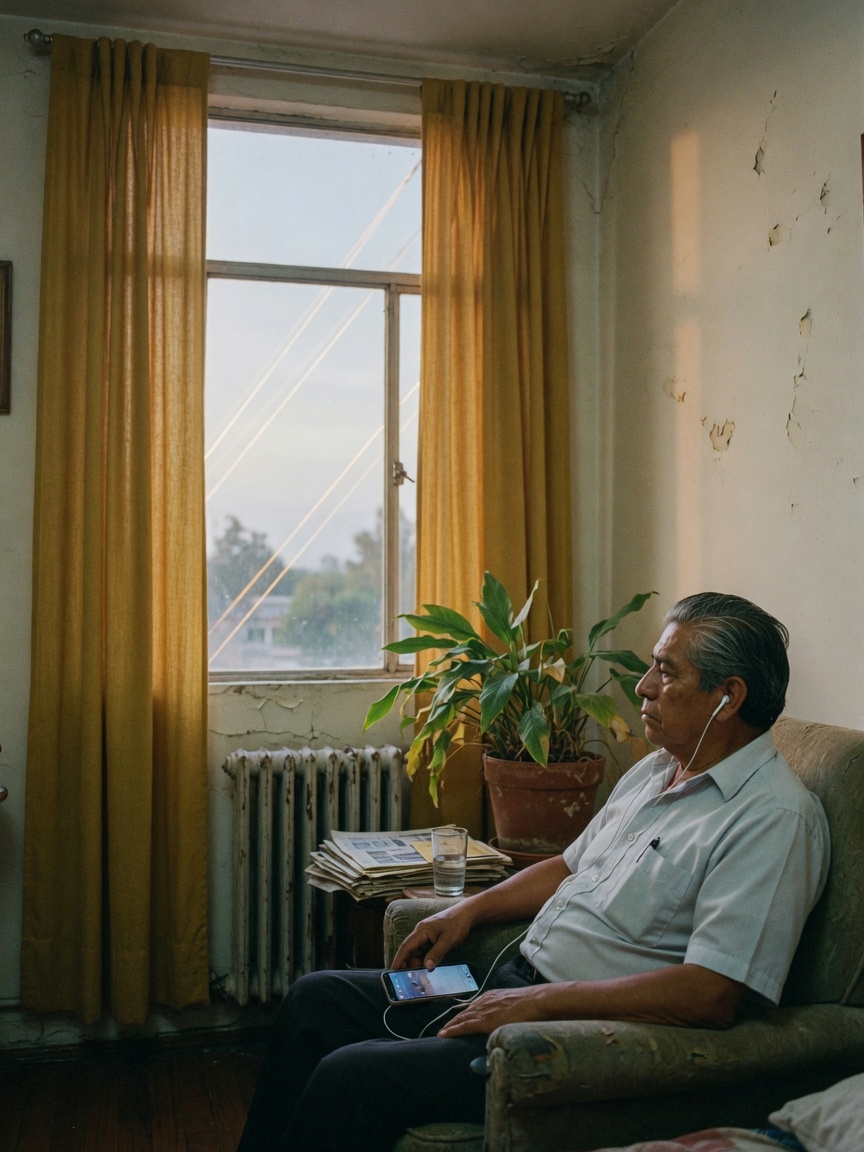
- The Storytelling Tentacle (For Bridging Age Gaps): This is where everyone is an expert. Our research found a heartbreaking 'Legacy Preservation Gap': 85% of adults wish they had recorded their parents' voices. Use your time to fix that. Ask a grandparent to tell a story from their childhood and record it on your phone. The connection you build will last for generations.
- The Creative Tentacle (For the Uninspired): Get your hands messy. Have a 'Bob Ross' paint-along night using a YouTube tutorial, write a ridiculous family theme song together, or create a collaborative comic strip where each person draws one panel.
- The Adventurous Tentacle (For Cabin Fever): Break out of the living room. Go for a night walk with flashlights, have a bonfire in the backyard to make s'mores, or simply drive to a scenic spot to watch the sunset together. Changing the scenery changes the dynamic.
- The Nostalgic Tentacle (For Remembering Who You Are): Dust off the old photo albums or, better yet, fire up the home videos. Watching yourselves as a younger family brings up incredible stories and reminds everyone of the deep roots you share. It’s a powerful way to see how far you’ve come.
- The Service Tentacle (For Building Empathy): Connect by looking outward. Spend an evening making care packages for a local shelter, writing letters to deployed service members, or baking cookies for an elderly neighbor. Working together for others is a powerful bonding agent.
- The Learning Tentacle (For Curious Minds): Pick a skill you can all learn together. Use YouTube to learn a few magic tricks, basic sign language, or how to juggle. The shared laughter from failing (and eventually succeeding) is the whole point.
- The Quiet Tentacle (For Low-Energy Nights): Not every night has to be a big event. Sometimes the best connection happens in comfortable silence. Put on some music, and have everyone read their own book in the same room. Just being together, peacefully, can be profoundly restorative.
What can I do instead of a game night?
Instead of a game night, try a collaborative project like cooking a meal, a creative session like a family paint night, or a storytelling activity where you record family memories. The goal is to shift the focus from competition to connection.
How do you make family game night more interesting?
To make game night more interesting, introduce cooperative games where everyone works as a team. You can also add fun, non-competitive elements like silly prizes for the 'most creative move' or let a different family member choose the game and snacks each week.
What are some fun family activities?
Fun family activities can be anything from outdoor adventures like hiking or stargazing to indoor projects like building a fort, watching old home movies, or learning a new skill together from an online tutorial. The most fun activities are those that match your family's unique energy and interests.
These moments—the story your dad tells, the song you write together, the quiet comfort of just being in the same room—are the real family treasures. But they are fragile. They get lost in the noise of group texts and forgotten over time. Kinnect was built to protect them. It's a private, permanent home for your family's most important memories, a place to save that recording of your mom's voice or that photo from your adventure night, safe from data mining and the endless scroll.
We're building the first platform that truly understands family, and it's now LIVE. Start capturing the moments that matter today.