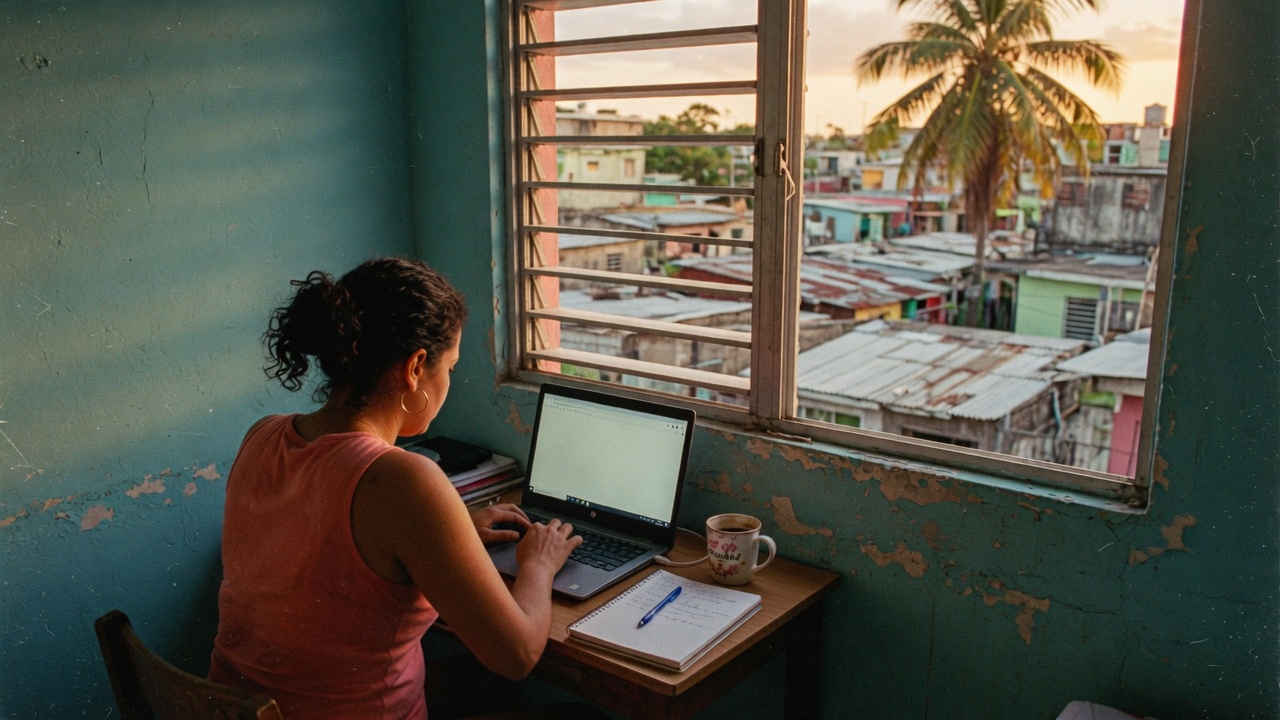
Honestly, trying to schedule a live call with your whole family sometimes feels like solving a really complex math problem. You know the one. Grandma’s in Florida, your sister’s on the West Coast with two toddlers, your brother’s working nights, and your cousin just moved to Europe. Someone is always sleeping. Someone is always at work. And someone is always trying to get a toddler to eat something green.
Kinnect is now LIVE! Start your private family group today.
👉 Try Kinnect on the Web
👉 Download the iOS App
It’s a nightmare. Truly. You finally pick a time, usually a Saturday morning for someone and a Friday night for someone else, and then half the people can’t make it. Or they show up, but they’re clearly distracted. They’re driving, or cooking, or just trying to keep the dog from barking at the mailman.
And then there’s the pressure. Oh, the pressure of a live call. Everyone feels like they need to perform, right? Like you have to have something interesting to say, or you’re taking up valuable airtime. It’s hard to just be yourself sometimes. You end up just skimming the surface, sharing quick updates instead of really talking about anything that matters.
I think we all want to stay connected. We really do. But the logistics of it all can be so draining that we just… don’t. We wait for the next holiday, or for some big event, and then we cram all the catching up into a few hectic hours. It’s not ideal. It rarely feels meaningful.
That’s why I’ve honestly come around to the idea of asynchronous family communication. It sounds a little formal, I know. But it just means communicating on your own time. No live calls. No immediate expectation of a reply. You send a message, share a thought, or tell a story, and the people you’re talking to respond when it works for them.
It’s like writing letters, but digital. Or leaving voicemails for each other, but with more substance. You get to think about what you want to say. You can share a memory, or a question, or an update, without feeling like you’re interrupting someone’s dinner. And the best part? The conversation doesn't get lost in a flurry of instant messages or forgotten after the call ends. It just… waits.
This way, everyone can participate. Even the busy parents, even the night shift workers, even the globetrotters. They can check in, read what’s been shared, and add their own thoughts when they have a quiet moment. It respects everyone’s rhythm. It really does.
And it takes away that feeling of being on the spot. You can craft a thoughtful response. You can dig up an old photo to go along with your story. You can actually think about what you want to contribute, instead of just blurting out the first thing that comes to mind because someone asked "What's new?"
Making connection feel natural, not forced
Think about it. When you’re not trying to cram a month’s worth of updates into a 30-minute video call, what happens? You start to share more. You share deeper stories. You remember little anecdotes that might not have come up in a quick chat.
I mean, if you’ve got five minutes while you’re waiting for the coffee to brew, you can record a quick thought. Or type out a memory about your grandma’s garden. That’s something you’d never do on a live call where everyone’s waiting for their turn to talk.
And this kind of communication actually builds something. It builds a record. It’s not just fleeting words spoken into the air. It’s a collection of shared moments, thoughts, and memories that grows over time. That’s what’s so powerful about it, honestly. You're creating a shared history, little by little, without even really trying.
It’s funny, we spend so much time trying to keep up with the latest social media feeds, but those aren't really built for keeping things. They're built for consuming and moving on. And I think for family, we need something different. We need a place where our stories can live, not just flash by. This is different from the chaos of group texts, which often just drown out meaningful updates.
Because that’s the real tragedy, isn’t it? When stories fade, when voices disappear. When we realize too late that we didn't capture enough of the everyday magic, the little wisdoms, the silly jokes, or the important moments that make up a family's legacy. We wait too long, and then those opportunities are just gone.
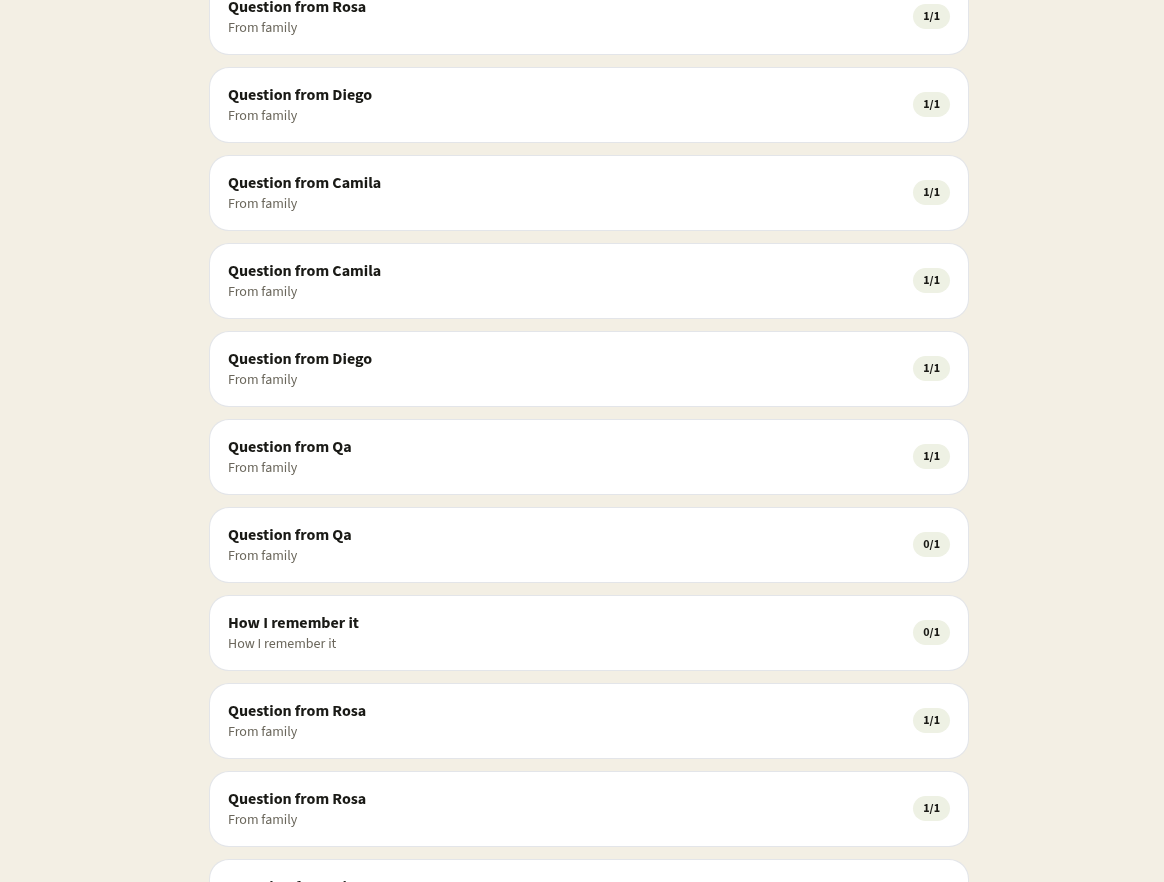
This is where a private, invite-only platform like Kinnect can really change things. It’s designed specifically for asynchronous family communication, where you answer when you can, and what you share doesn't just disappear into the ether. It’s not a social media feed; it’s infrastructure for your family’s legacy. Every answer, every story, every shared memory is dated, searchable, and becomes a permanent private archive within your family group. It's a growing record of your family's real stories over time, ensuring those voices are saved before it's too late. It helps families preserve memories, stories, and essential life information across generations.
Q: What’s the main difference between asynchronous and synchronous communication for families?
A: Synchronous communication means everyone is interacting at the same time, like a live phone call or video chat. Asynchronous communication means you send a message or share content, and the recipients respond on their own time, without the pressure of an immediate interaction.
Q: Why is scheduling live family calls so difficult?
A: Family members often live in different time zones, have varying work schedules (like night shifts), and are at different life stages (like raising young children). Coordinating a time that works for everyone, especially for larger families, becomes an almost impossible task.
Q: Does asynchronous communication mean less connection?
A: Not at all! While it might feel less immediate, asynchronous communication often leads to deeper, more thoughtful exchanges. Family members have time to reflect, craft their responses, and share more meaningful stories and memories, which can actually strengthen connections over time.
Q: How can I encourage my family to try asynchronous communication?
A: Start by explaining the benefits: less scheduling stress, more thoughtful sharing, and a lasting record of family stories. Suggest a low-pressure trial period, maybe with a specific topic or question to get everyone started, and emphasize that there's no pressure for instant replies.
Q: What kind of content works best for asynchronous family sharing?
A: Anything from sharing daily updates, asking thoughtful questions about family history, sharing old photos with stories, to recording short audio or video clips. The key is content that invites reflection and doesn't demand an immediate, real-time back-and-forth.
To start building your family's lasting legacy of stories, visit Kinnect.club today.
Keep reading
Kinnect is now LIVE!
Experience the private family network on the web or download the iOS app today.