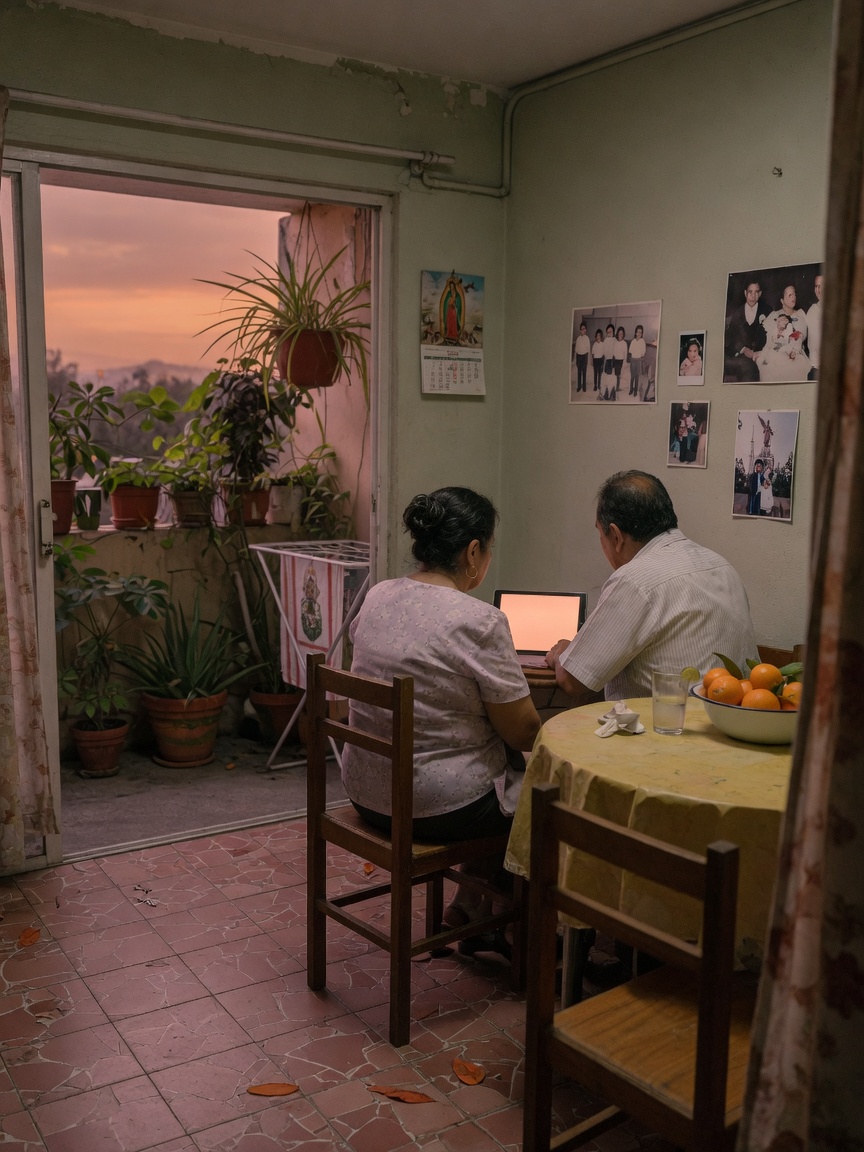
Looking for a blended family connection app? It's tough when households split, but keeping warmth and connection alive is still possible, and vital. Divorce, new partners, separate homes, and busy schedules create a complicated web for any family, especially blended ones.
Kinnect is now LIVE! Start your private family group today.
👉 Try Kinnect on the Web
👉 Download the iOS App
You want everyone to feel like they belong, to still share those small, everyday moments that make a family *feel* like family. But the reality of managing schedules, coordinating visits, and making sure everyone feels included when they don't share the same roof is exhausting.
It's not just about logistics; it's about emotional energy. It takes conscious effort to maintain those bonds when the natural rhythm of daily life together isn't there anymore. You're trying to build new traditions while honoring old ones, all while navigating potentially tricky relationships between ex-partners or stepparents.
Kids, especially, can feel the strain. They're often shuttled between homes, adapting to different rules and routines. They might pull away, or feel like they're being asked to choose. It's a heavy burden for them, and for the adults trying to create stability.
And it's not just the children. Adults in blended families can feel isolated too. The expectation might be that everyone just 'gets along,' but genuine connection takes more than just tolerating each other. It takes shared experiences, inside jokes, and a sense of shared history. This is particularly true for chosen family members, who might not have a legal tie but are just as crucial to your support system. In fact, the Survey Center on American Life reported in 2021 that 21% of Americans say their closest source of emotional support is a chosen family member — a friend they consider family. That highlights how important it is to nurture those bonds, regardless of bloodline or marital status.
The physical distance that comes with separate households can feel like emotional distance. Text chains get long, messages get lost, and important memories can slip through the cracks. It becomes a constant effort to keep everyone in the loop, to make sure no one feels forgotten or left out.
How to create lasting connection in a blended family
The key to maintaining connection in a blended family, even when you're in separate homes, is intentionality and a dedicated space for those interactions. You need systems that simplify communication, not complicate it. Relying on scattered texts, emails, or social media groups often leads to someone feeling like they're doing all the heavy lifting.
Think about what you want to share. It's not just about events; it's about the small stuff: a funny thing someone said, a picture from a random Tuesday, or a quick update about a pet. These are the threads that weave a family together, even from a distance. Creating a shared family calendar can help with big events, but it doesn't capture the everyday life that truly connects people.
Consider establishing simple, recurring rituals. Maybe it's a weekly photo challenge, a shared recipe you all try, or even just a question you all answer. These don't have to be grand gestures; consistency is more important than intensity. These small, regular points of contact add up over time, building a continuous narrative for your family.
It's also important to remember that 'family' isn't always defined by traditional structures. As the Survey Center on American Life noted in 2021, Americans report having fewer close friends than they did in the 1990s — the share with no close friends has roughly quadrupled. This makes intentional family connections, including those in blended families or with chosen family, more vital than ever.
But who manages all those texts, shared photos, and reminders across different homes? It often falls on one person, and that's exhausting. The hard part is that someone still ends up being the hub — the one texting everyone, chasing updates, managing who knows what. This is where a private, invite-only platform like Kinnect becomes invaluable. Kinnect's Kin Groups are designed specifically for families like yours, working across households. The family doesn't have to live together to be connected. It provides a permanent, private archive for all those daily answers and shared moments, building a living record of your family's stories over time. It helps keep everyone aligned and connected, without putting the burden on a single person to coordinate everything.
Q: What if some family members are reluctant to join another app?
A: Start small. Explain that it's not another social media platform, but a private space just for your family's memories and stories. Highlight the benefits of having everything in one place, making it easier to share without endless text chains or forgotten emails.
Q: How can we make sure everyone feels included, even if they live far away?
A: A dedicated platform lets everyone participate at their own pace. You can share photos, updates, and answer prompts that everyone can see and respond to, regardless of time zones. It creates a shared space for connection that bridges physical distance.
Q: What if we have sensitive topics or varying comfort levels with sharing?
A: Kinnect is invite-only and private; there are no public profiles or algorithms. This secure environment can encourage more open sharing among family members who might be hesitant in public-facing apps. You control who's in your Kin Group, ensuring a safe space.
Q: Can we include stepparents, half-siblings, or chosen family members?
A: Absolutely. Kinnect lets you define who belongs in your family, beyond just bloodlines. You can invite anyone you consider family into your private Kin Group, making sure everyone who matters feels included and connected.
Keep reading
Kinnect is now LIVE!
Experience the private family network on the web or download the iOS app today.

