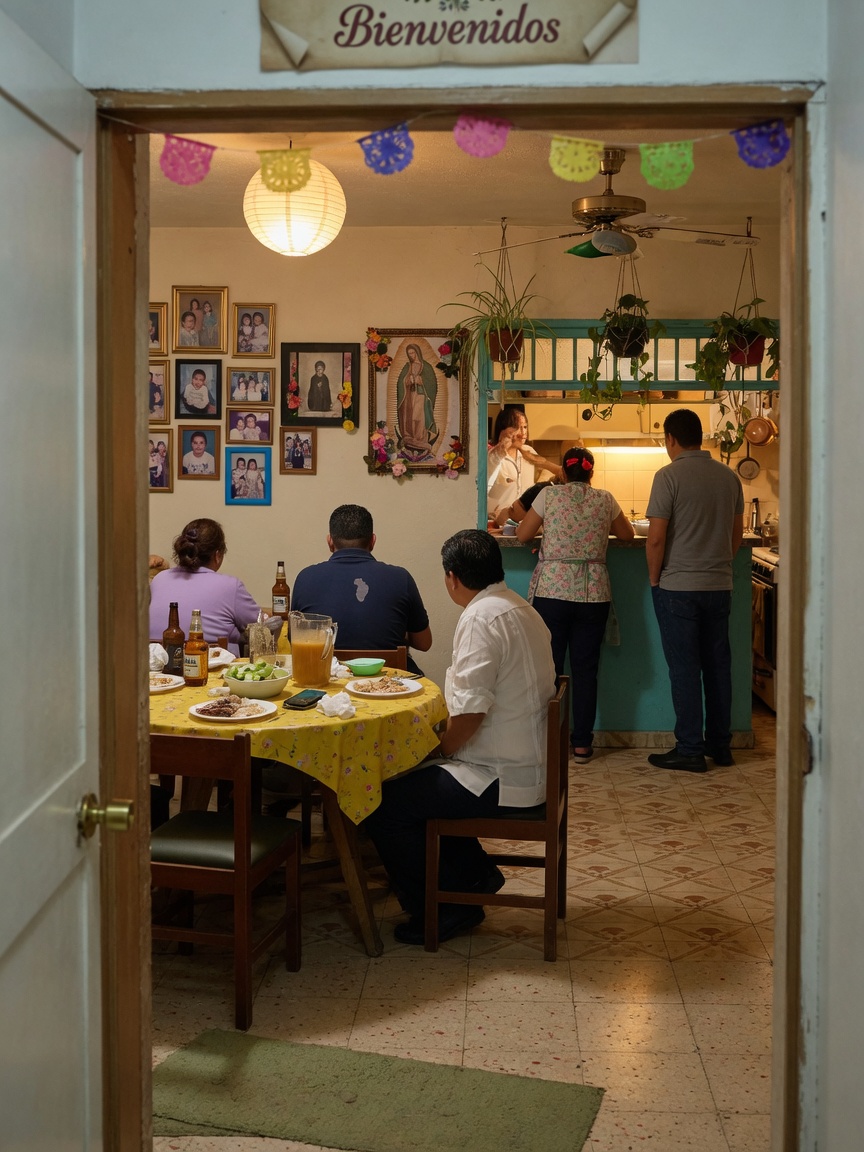
Starting a family tree with no history involves beginning with yourself, interviewing any known living relatives, and utilizing DNA testing services to uncover new connections. As you piece together your story, a private family network like Kinnect provides a secure space to document these discoveries and share them with newly found family members.
Kinnect is now LIVE! Start your private family group today.
👉 Try Kinnect on the Web
👉 Download the iOS App
Starting a family tree with no history is a process of discovery that begins with documenting everything you know about yourself. From there, you can interview any living relatives, search public records, and use DNA testing to uncover ancestral connections and build your family's story one generation at a time.
For so many, the past is a closed book. Whether you're an adoptee searching for roots, are estranged from your relatives, or simply come from a family that didn't keep records, the desire for connection is a powerful human need. This journey isn't just about names and dates on a chart; it's about understanding who you are and where you come from. It’s about finding your place in the long, unbroken chain of human history.
This search for connection is deeply meaningful. Research from Emory University's landmark 'Do You Know?' study found that children who score in the top third on family story knowledge show up to 3x higher resilience and self-esteem scores. Your story, even if you're just discovering it, has the power to ground you and strengthen future generations. You are not starting from scratch—you are starting with the most important part: you.
5 Steps to Uncover Your Roots (Even With a Blank Slate)
5 Steps to Uncover Your Roots (Even With a Blank Slate)
Building a family tree from thin air can feel impossible, but it's a puzzle you can solve one piece at a time. Follow these steps to begin your investigation.
- Start With Yourself: The Anchor of Your Story.
Document everything you know. Your full name, birth date, location, and any documents you possess (birth certificate, etc.). This is your 'patient zero' file, the foundation upon which everything else will be built. Every detail, no matter how small, is a potential clue. - Interview Living Relatives (Even Distant Ones).
If you have any contact with living relatives—a great-aunt, a cousin, a family friend—reach out. Ask open-ended questions about names, places, and stories they remember. The Kinnect 'Legacy Preservation Gap' insight is critical here: 85% of adults wish they had recorded their parents' voices. Don't make the same mistake. Record these conversations (with permission) to capture their voice and story forever. - Embrace DNA Testing.
Services like AncestryDNA or 23andMe are revolutionary for those with no paper trail. An autosomal DNA test can connect you with genetic relatives, revealing cousins you never knew you had and pointing you toward shared ancestors. This is often the single biggest breakthrough for adoptees or those with unknown parentage. - Dive Into Public Records.
Once you have a name or a location from a DNA match or an interview, you can start searching. Census records, birth and death certificates, military records, and immigration documents are often digitized and available online. These records provide the factual skeleton for the stories you uncover. - Connect and Collaborate with Newfound Family.
As your tree grows, you'll find others who share your history. Reaching out to these new connections can unlock entire branches of your family tree that someone else has already researched. It transforms a solitary quest into a shared journey of discovery.
What is the best way to start a family tree for free?
You can Start membership by interviewing family members and using free resources like the FamilySearch website, which offers a massive collection of genealogical records. Many local libraries also provide free access to paid genealogy sites.
How can adoptees find their biological family history?
For adoptees, DNA testing is the most powerful tool, connecting them directly with biological relatives. Additionally, checking state adoption registries and, if possible, petitioning the court for original birth records can provide crucial starting points.
Why is it important to document your family history?
Documenting family history provides a profound sense of identity and belonging. Knowing the stories of those who came before us helps us understand ourselves and builds resilience for future generations.
As you uncover these precious threads of your past, you'll need a place to weave them together. Group texts and public social media aren't built for this. Our research on the 'Messaging Noise' phenomenon shows 70% of family group texts are logistical noise, burying meaningful connection. Kinnect is different. It’s a private, dedicated space for your family's story to grow, safe from data mining and distractions. Start building your legacy today. Kinnect is now LIVE!
Keep reading
- Found an Unknown Relative? A Guide for What to Do Next
- 3 Steps to keep family history organized: Stop the chaos.
- 3 Ways to share family tree privately
Connecting with your family's past is a powerful first step, and making new memories together is the next. For some inspiration, explore our family challenge ideas that actually bring fun and games.
