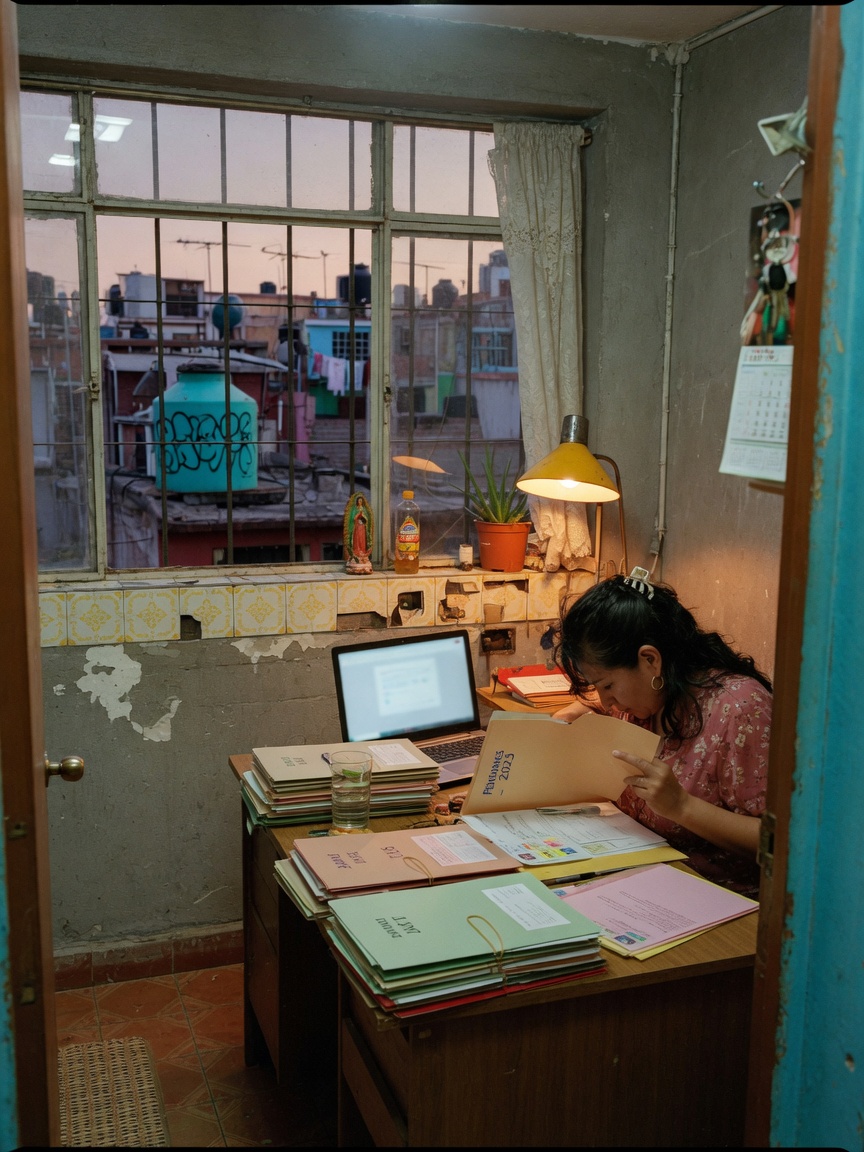
Building a family caregiving tech stack involves strategically combining tools to solve specific problems like scheduling, safety, and communication. A successful stack integrates solutions and uses a central hub like Kinnect to separate meaningful connection from the noise of logistical planning, creating a private, permanent family space.
Kinnect is now LIVE! Start your private family group today.
👉 Try Kinnect on the Web
👉 Download the iOS App
The best technology for caregiver families combines tools into a custom "stack" to solve specific problems. This involves using dedicated apps for scheduling and safety monitoring, while creating a separate, private space for meaningful connection and memory sharing, insulating your relationships from logistical stress.
Building a family caregiving technology stack means strategically choosing and combining digital tools to manage the complex needs of caring for a loved one. Instead of using dozens of disconnected apps, this approach creates an integrated system for scheduling, communication, safety, and preserving memories, tailored to your family's specific situation.
I remember the first time I realized our family group text was broken. My aunt was sick, and my phone buzzed constantly—a storm of appointment reminders, prescription questions, and a dozen different “ok”s. Buried in that noise was a simple, beautiful photo my cousin sent of my aunt smiling in her garden. I almost missed it. That’s the moment I understood the problem isn’t a lack of tools; it’s that we’re using the wrong tools for the most important job: staying connected as a family.
You’re not alone in this. An estimated 53 million Americans are caregivers, many of them trying to coordinate care through a firehose of notifications and messages. Our own research at Kinnect shows the problem clearly: 70% of family group text messages are logistical noise. This 'Messaging Noise' phenomenon buries the moments of genuine connection that actually sustain us through the hard times. The solution isn't another app; it's a new strategy.
3 Steps to Building a Tech Stack That Actually Helps
Instead of a chaotic list of apps, think of building your system like a recipe. You need the right ingredients, used in the right way, to create something that nourishes your family. Here’s how to build a stack that separates the stressful logistics from the essential connection.
Step 1: Identify Your 3 Core Challenges
Before you download anything, grab a piece of paper. What are the three biggest logistical headaches your family faces right now? Be specific. Is it coordinating who takes Dad to his appointments? Is it making sure Mom remembers her evening medication? Is it the fear that she’s lonely during the day? Your list might look like this:
- Coordinating sibling schedules
- Medication reminders
- Preventing social isolation
These are your targets. Every tool you choose must solve one of these specific problems.
Step 2: Create Two Channels: 'Logistics' and 'Legacy'
This is the most important step. Mentally (and digitally), create two separate spaces for your family's communication. The 'Logistics Channel' is for the business of caregiving: schedules, tasks, and updates. The 'Legacy Channel' is for the heart of your family: sharing memories, photos, stories, and checking in on each other's emotional well-being. Mixing them together is how beautiful moments get lost and how relationships get strained by constant transactional chatter.
Step 3: Choose & Integrate Your Tools
Now, assign tools to your challenges within your two channels. For the 'Logistics Channel,' you might combine a shared calendar app for appointments with a medication reminder app that alerts multiple family members. For home safety, you might use a smart speaker for easy check-ins. But for the 'Legacy Channel,' you need one dedicated, private space. This is where you protect your family's story from the noise.
The endless logistics are why we built Kinnect. It isn’t another scheduling tool; it's your family’s private 'Legacy Channel.' It’s the quiet, permanent space where you can share a story about your dad without it getting buried by a grocery list, where you can save his voice for your children to hear someday, and where the real heart of your family can live on, safe and sound. We are thrilled to announce that Kinnect is now LIVE! Create your family's permanent home today. Learn more about Kinnect and Download on the App Store.
What are the new technologies for caregivers?
New technologies focus on integration and proactive support. These include smart home devices (like smart speakers for voice-activated check-ins), wearable sensors that track vitals and detect falls, and comprehensive family platforms that combine communication, scheduling, and memory preservation in one private space.
What are the new technologies in home care?
In-home care technology is shifting towards telehealth platforms for virtual doctor visits, AI-powered predictive analytics to identify health risks sooner, and robotic assistance for mobility. The goal is to create a safer, more connected environment that allows seniors to age in place with greater independence.
How do you monitor an elderly person's home?
Monitoring can be done respectfully through a combination of tools. Non-intrusive options include motion sensors on doors or refrigerators to track activity, smart speakers for easy voice-activated calls, and personal emergency response systems (PERS) for falls. Video cameras should only be used with the full consent and understanding of the person being cared for.

