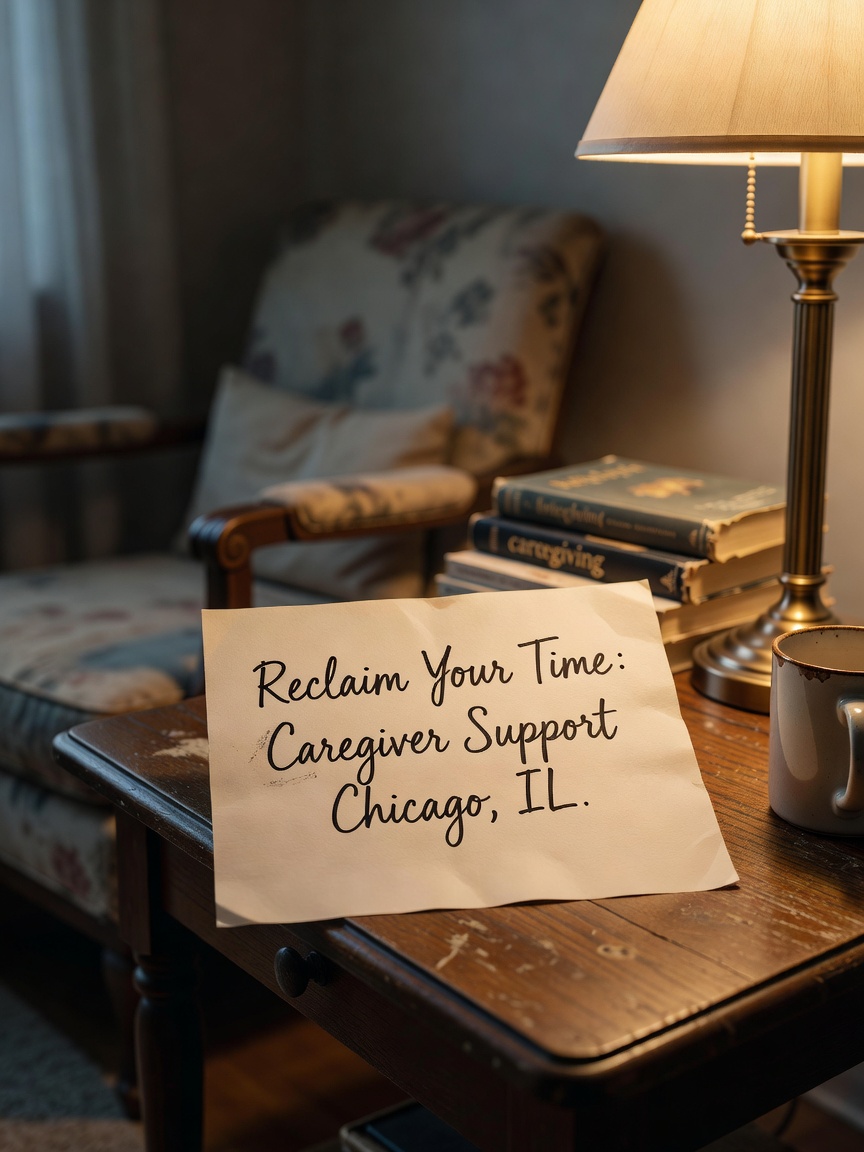
Coordinating caregiver support in Chicago involves identifying key local resources, simplifying financial aid access, and creating a clear communication system for family logistics. A private family network like Kinnect helps centralize updates and tasks, reducing the logistical noise and emotional burden on the primary caregiver.
Caregiver support in Chicago, IL, is a network of services designed to assist individuals providing unpaid care for a family member or loved one. These resources include city and state programs that offer respite care, financial assistance, counseling, and help with daily tasks like transportation and meals to alleviate caregiver burnout.
Kinnect is now LIVE! Start your private family group today.
👉 Try Kinnect on the Web
👉 Download the iOS App
I remember the lists. The endless, sprawling lists after my dad passed. Who needs to be called? What bills are due? Did mom take her morning medication? The logistics of care can feel like a tidal wave, pulling you under while you’re just trying to keep your head above water. You’re not just managing tasks; you’re managing a life, and the weight of it is immense. If you’re a caregiver in Chicago feeling that pressure, know this: you are not alone, and there is a practical path forward. Forget the endless directories. Here are the first five steps to take right now.
Step 1: Make One Phone Call First
Before you spend hours on Google, make one call to the experts who have the entire map laid out for you. Your first call should be to the Chicago Department of Family and Support Services (DFSS) Senior Services Division or your local Area Agency on Aging, which for most of Cook County is AgeOptions. Think of them as the air traffic control for elder care. Instead of you trying to find ten different numbers, they will assess your specific situation—your parent's needs, your financial status, your stress level—and connect you directly to the right programs, from in-home help to benefits enrollment.
Step 2: Secure Immediate Respite
You cannot pour from an empty cup. The fact that approximately 40% of family caregivers report high emotional stress is not just a statistic; it's a quiet crisis happening in homes across the city. Respite care is the formal name for getting a short break. This isn't a luxury; it's a necessity. Immediate options include hiring an in-home companion for a few hours through a vetted agency or exploring local adult day centers. These centers provide a safe, engaging environment for your loved one, giving you a crucial window to grocery shop, attend your own doctor's appointment, or simply sit in silence for an hour.
From Logistics to Connection: Your Family Action Plan
Step 3: Simplify the Financial Maze
Worrying about money on top of everything else is crushing. Illinois has programs designed to help, but the paperwork can be intimidating. Focus on one primary source first: the Illinois Community Care Program (CCP). This program helps seniors who might otherwise need nursing home care to stay in their own homes. It can cover services like in-home care, adult day services, and emergency home response. Don't try to decipher the entire state code. Instead, use the ABE (Application for Benefits Eligibility) website to do a quick, confidential screening. This will give you a clear yes or no on potential eligibility without weeks of waiting.
Step 4: Solve the Practical Problems
Sometimes the most stressful parts of caregiving aren't the big medical issues, but the thousand tiny logistical cuts. Who's taking Mom to her doctor's appointment on Tuesday? Has Dad eaten a real meal today? Create a list of these practical needs and then delegate them. Services like Meals on Wheels Chicago can ensure nutritious food is delivered daily. Ride-sharing services now have options for scheduling rides for others. Don't try to be the hero who does it all. Your family and friends often want to help but don't know how. Giving them a specific, concrete task—like picking up prescriptions—is a gift to them and to you.
Step 5: Build Your Communication Hub
The constant stream of updates, questions, and well-meaning-but-distracting memes in the family group chat is exhausting. You’re trying to share a critical update about a doctor's visit, and it gets buried under a flurry of thumbs-up emojis and logistical questions. This is where you move from a chaotic group text to a central, organized hub. This space is for everything: a shared calendar for appointments, a secure place for important documents, and a single source of truth for daily updates. It stops you from having to be the switchboard operator for the entire family.
The Hidden Variable: The 'Messaging Noise' Trap
We all think more communication is better, but it's often the opposite. The constant pings and notifications create a state of high alert that adds to caregiver burnout. Our research at Kinnect shows that a staggering 70% of family group text messages are logistical noise—like 'ok,' 'got it,' or unrelated memes. This chatter doesn't just distract; it actively buries the meaningful moments of connection and critical information you need to see. The solution isn't to stop communicating, but to change the venue from a noisy, public-style forum to a private, purpose-built space.
When you're coordinating care, the last thing you need is more noise. You need a quiet, reliable place where the important things are saved and the emotional support isn't lost in the shuffle. A platform like Kinnect is designed for this exact purpose. It creates a private, permanent home for your family’s story and its logistics—a single place for the care schedule, vital documents, and meaningful check-ins, ensuring the messages that truly matter are never missed. It’s how you coordinate the care without losing the connection.
How can I get paid for taking care of a family member in Illinois?
Yes, through programs like the Illinois Department on Aging's Community Care Program (CCP) or specific Medicaid waiver programs. If your loved one is eligible, you can be hired and paid as their personal assistant for in-home care services.
What is the Illinois Family Caregiver Support Program?
This is a state and federally funded program that provides resources to unpaid family caregivers. It offers information, assistance in accessing services, counseling, support groups, respite care to provide temporary relief, and supplemental services like assistive devices.
How do I convince a parent to accept help?
Start by framing it as a way to help *you*. Say, "It would give me such peace of mind to know someone is checking in while I'm at work." Introduce help gradually, perhaps starting with something less personal like meal delivery or housekeeping, before suggesting in-home personal care.
Learn more at Kinnect.