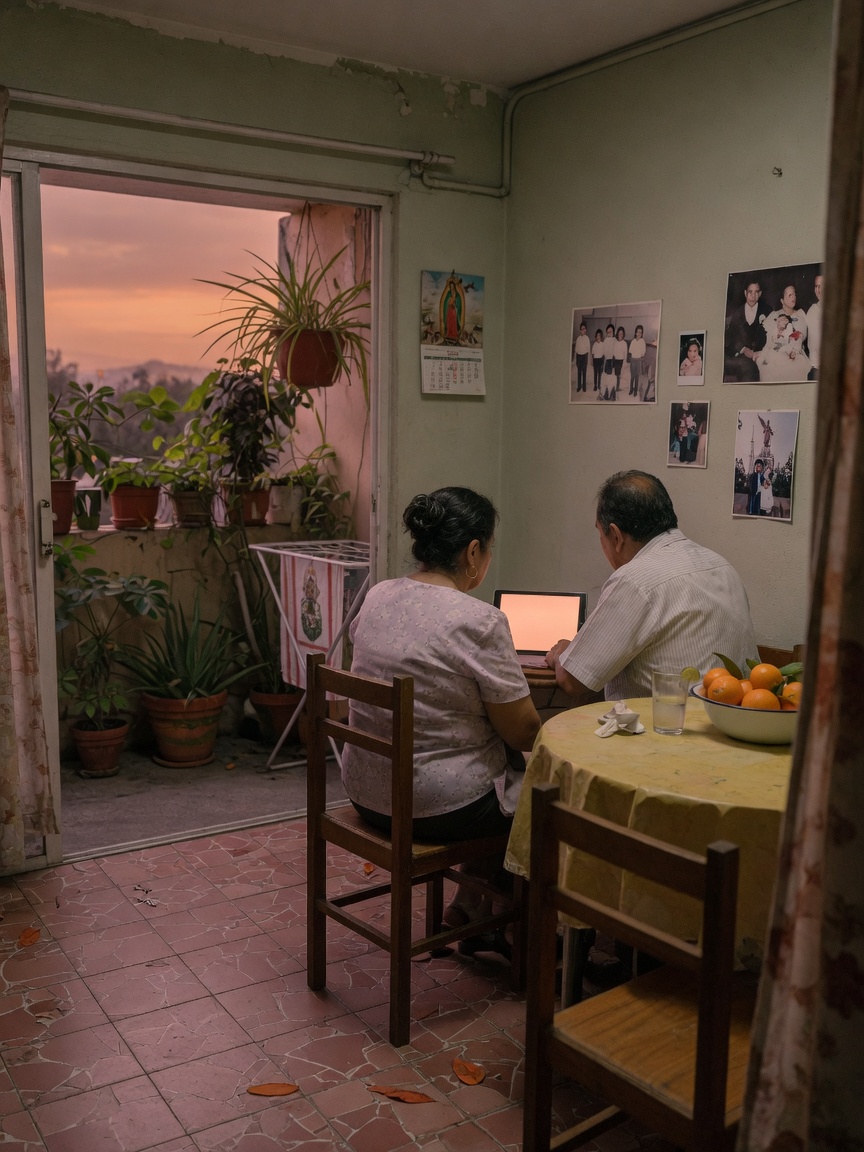
A chosen family tree is a visual map of significant relationships, including non-biological kin like mentors and close friends, that traditional bloodline-based trees ignore. To preserve these important stories and connections securely, platforms like Kinnect are designed to treat chosen family as first-class citizens, offering a private space to document and share your complete family story.
Kinnect is now LIVE! Start your private family group today.
👉 Try Kinnect on the Web
👉 Download the iOS App
A family tree that shows relationships, not just bloodlines, is a visual map that represents the emotional bonds, support systems, and chosen family connections that define a person's life. It goes beyond biological lineage to include mentors, close friends, step-parents, and other significant non-biological kin, creating a more accurate picture of one's personal community.
For generations, the family tree has been a rigid structure of names and dates, a testament to genetics and inheritance. But for so many of us, that model feels incomplete. It has no room for the godmother who was more of a parent than a biological one, the mentor who changed the course of your career, or the best friend who is the first person you call in a crisis. These are our people. This is our family.
Ignoring these bonds isn't just an oversight; it's a failure to capture the truth of our lives. When we map only bloodlines, we erase the very relationships that provide our deepest sense of identity and support. Research shows that people who feel a strong sense of family identity report 36% higher overall life satisfaction, and that identity is built from love and experience, not just DNA. It’s time for a new kind of tree—one with roots in connection and branches that reflect the beautiful, complex reality of modern family.
4 Steps to Create Your Own Chosen Family Tree
Mapping your chosen family doesn't require complex software or a degree in psychology. It’s an act of personal storytelling. The goal is to create a visual representation of your support system that feels authentic to you. Here’s a simple, non-clinical way to get started.
- Define Your Core Connections: Forget about biology for a moment. On a piece of paper, list every person who has fundamentally shaped who you are. This can include teachers, neighbors, step-family, close friends, and community members. This is the foundation of your true family network.
- Choose Your Visual Language: You don't need formal genogram symbols. Create your own key. Use a thick, solid line for your strongest, most supportive bonds. A dotted line might represent a relationship that has become distant but was once important. Use different colors to signify different types of relationships—blue for mentorship, green for deep friendship, yellow for creative collaborators.
- Select an Accessible Tool: While professionals use complex software, your personal map can live anywhere. Use a free tool like Canva to drag and drop shapes and lines, a mind-mapping app, or even a large journal page. The medium is less important than the meaning you assign to it.
- Add the Stories: A line connecting two names is just data. The magic happens when you add the 'why.' Next to each connection, write a short sentence or two about a key memory or the role that person played in your life. This transforms your map from a diagram into a living document of your legacy.
This is precisely why we built Kinnect. Traditional platforms are stuck in the past, but we know your chosen aunt deserves the same legacy tools as a biological one. Kinnect is the first platform to treat 'Chosen Family' as a first-class citizen, offering specific inheritance and legacy tools for non-biological kin.
Stop trying to fit your beautiful, complex family into an outdated box. It's time to build a living legacy that reflects all the people who matter. Kinnect gives you a private, dedicated space to map these relationships, share the stories behind them, and preserve your complete family story for generations. Kinnect is now LIVE on the App Store and Web! Start building your true family tree today.
Learn more about Kinnect or Download on the App Store.
How do you show non-biological relationships in a family tree?
You can show non-biological relationships by using visual cues like dotted lines, different colors, or custom labels. Instead of relying on traditional rigid structures, create a more flexible 'relationship map' that places you at the center and branches out to everyone who is important, regardless of blood ties.
How do you represent chosen family?
Represent chosen family by including them directly on your relationship map or family tree. You can create a specific category or symbol for them, such as a star or a unique color, and add a note explaining the nature and significance of your bond. The key is to treat their position with the same importance as biological relatives.
What is a genogram vs family tree?
A family tree primarily tracks lineage and biological relationships through generations. A genogram is a more detailed, clinical tool used by therapists and doctors to map not only lineage but also emotional relationships, medical history, and complex family dynamics using a specific set of symbols.
Keep reading
- 3 Ways to Share Family Tree Privately (No Public!)
- Beyond the DNA Shock: A Guide to Welcoming New Family
- 3 steps: family tree show relationships not just bloodlines
Mapping your support system is often the first step in organizing family responsibilities. If your map includes older loved ones, you can also learn how to Securely Share Elder Care Schedules With Family (Private) to ensure everyone stays coordinated.
