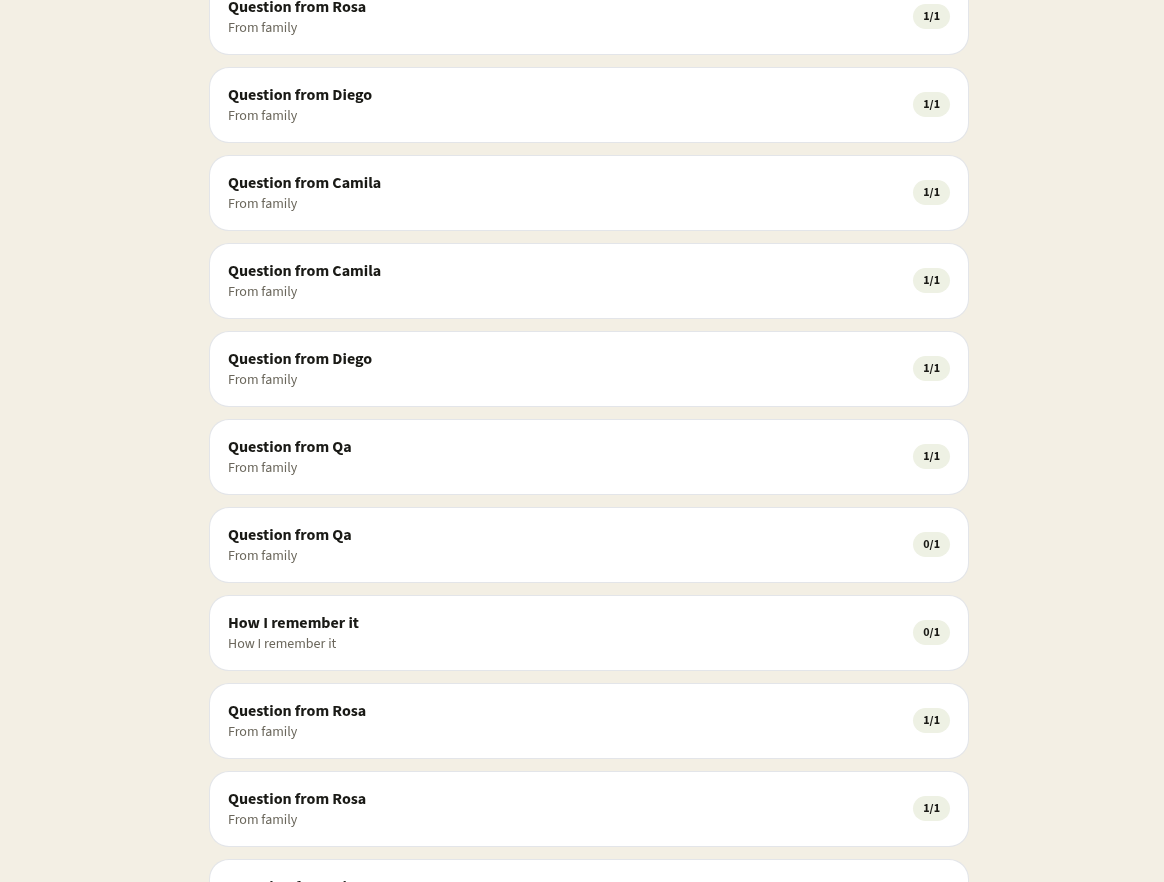
A collaborative family history project uses a central digital platform to allow multiple family members to contribute stories, photos, and documents. Kinnect provides a private, dedicated space for families to build this shared legacy together, avoiding the noise of group chats and social media.
A collaborative family history project is a shared effort where multiple relatives contribute stories, documents, photos, and genealogical data to a central archive. This method decentralizes the role of a single family historian, creating a richer, more diverse narrative of the family's past by combining many perspectives.
Kinnect is now LIVE! Start your private family group today.
👉 Try Kinnect on the Web
👉 Download the iOS App
For years, I was the self-appointed keeper of our family’s stories. I had the box of photos, the half-finished family tree, the weight of being the one who was supposed to remember. After my uncle passed, I tried to write down everything I remembered about him, but it felt so thin. My version of him was just that—my version. It wasn’t until a holiday dinner when my cousin shared a story about a fishing trip with him, one I’d never heard, that I realized the truth: a family’s memory doesn’t live in one person. It lives in all of them, scattered across dozens of minds and hearts.
One person can’t hold it all. Trying to is not only exhausting, it’s a disservice to the real, complex, and beautiful story of your family. The goal isn’t to create a perfect, static genealogy chart. It’s to build a living digital archive where a cousin’s funny memory can live alongside your aunt’s treasured recipe and your grandfather’s oral history. It’s about creating a space where everyone feels invited to add their piece of the puzzle.
The Steps to a Living, Breathing Family Archive
1. Find Your Family's Digital 'Kitchen Table'
Before you ask anyone to contribute, you need a central hub. A place where everyone can gather. Shared cloud folders get messy, and social media groups are filled with ads and distractions. The key is to find a private, dedicated space that feels like home, a place built for the sole purpose of connection. It needs to be simple enough for your tech-averse uncle but robust enough to hold years of memories.
2. Start with a Single, Simple Question
Don't start by asking people to “share their memories.” It’s too big, too vague. Instead, start with a specific, small prompt. “What’s your favorite memory of Grandma’s cooking?” or “Share one photo from a family vacation you loved.” A single prompt gives everyone an easy entry point and makes contributing feel manageable, not like a homework assignment. You'll be amazed at the stories a single question can unlock.
The Hidden Variable: The 'Why' Is More Important Than the 'How'
Conventional wisdom says the biggest hurdle to a collaborative project is technology or a lack of time. But the real barrier is a lack of a compelling 'why.' We often frame these projects as organizational tasks—a way to clean up our digital clutter. But no one is motivated by chores. The real motivation comes when people understand this isn't about archiving the past; it's about strengthening the present. Research from Emory University found that children who score in the top third on family story knowledge show up to 3x higher resilience and self-esteem. Knowing your family's story—the triumphs and the struggles—makes you stronger. When you frame the project this way, as a gift to the next generation, people don't just contribute; they become invested. The Legacy Preservation Gap is real; our data shows 85% of Gen X adults report they wish they had recorded their parents' voices before they passed, yet only 12% have a system for doing so. The desire is there. We just need to connect it to a meaningful purpose.
3. Make It Easy for Everyone to Add Their Piece
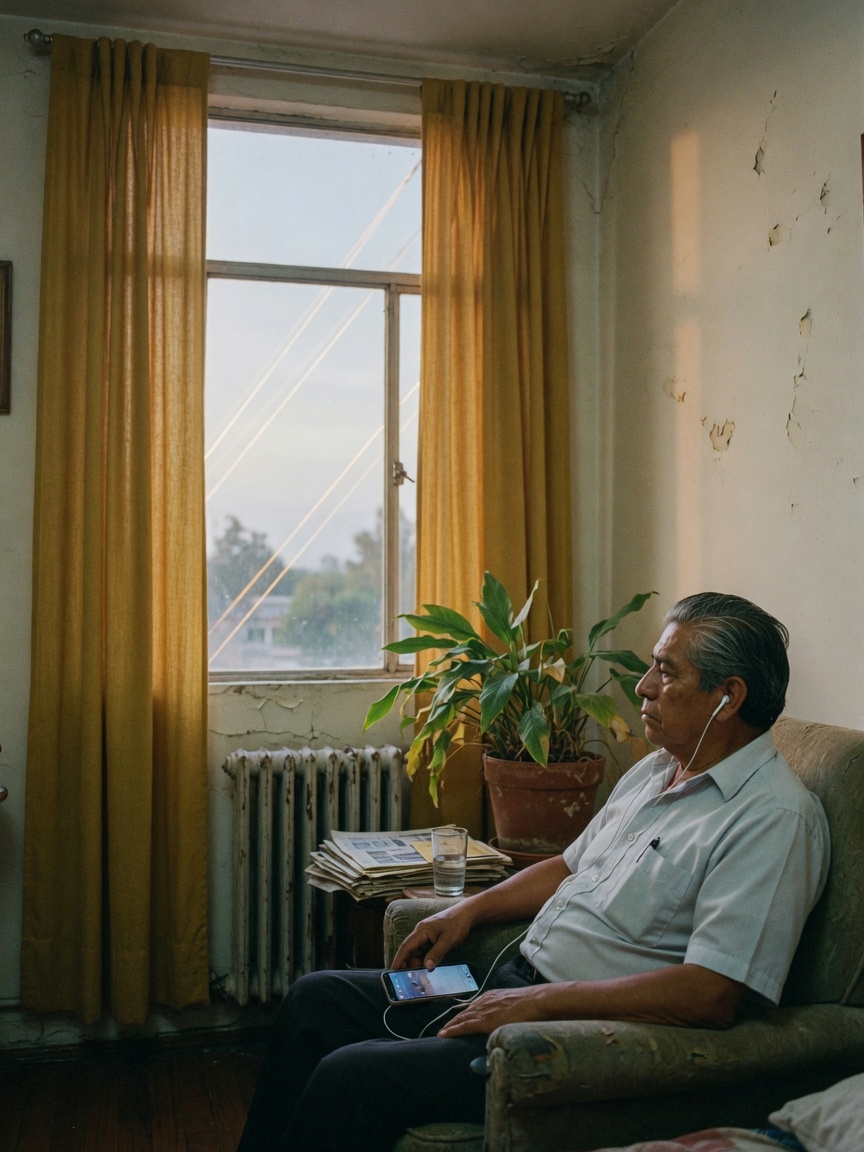
Remember that people contribute in different ways. Your sister might love writing long stories. Your dad might prefer to record a quick voice note on his phone. Your nephew might be the one who can digitize all the old VHS tapes. A great collaborative space honors all these forms of storytelling and makes it effortless to upload photos, videos, audio, and text. The less friction there is, the more your living history will grow.
The biggest challenge isn't finding the stories; it's creating a space where they can be shared easily and privately, away from the clutter of daily life. A place designed not for memes or logistics, but for the memories that matter. This is why we built Kinnect—to be that dedicated home for your family's collaborative history, ensuring every voice is heard and preserved.
Why do collaborative family history projects fail?
They often fail due to a lack of a clear, simple starting point or a central hub that is too complicated. Success comes from making participation easy and focusing on emotional connection over data collection.
How do you get older family members involved?
Focus on their preferred communication method. A phone call to record an oral history or a visit to scan old photos can be more effective than asking them to use a new app directly. You can then add their contributions to the shared space for them.
What is the best way to organize the contributions?
Start by organizing contributions by person or family branch. As your archive grows, you can add tags for specific events, places, or themes, making it easy for everyone to explore the collection.
Learn more at Kinnect.