Documenting family history digitally is a collaborative project, not a solo task. By assigning roles, creating a shared plan, and using a private space like Kinnect, families can work together to preserve photos, stories, and records for future generations.
Documenting family history digitally is the process of converting physical artifacts like photographs, letters, and records into digital formats and organizing them in a secure, accessible online space. This practice ensures long-term preservation and allows for easy sharing of a family's collective memory and heritage across generations.
Kinnect is now LIVE! Start your private family group today.
👉 Try Kinnect on the Web
👉 Download the iOS App
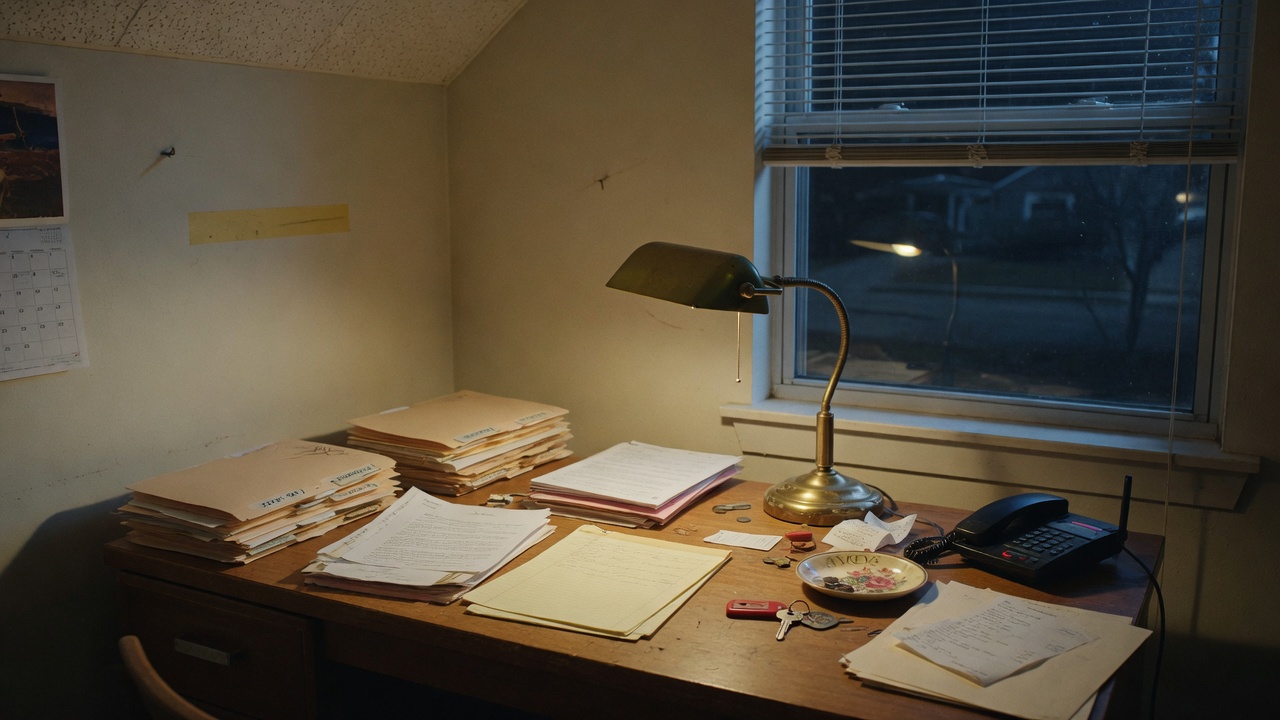
We all have it. The shoebox under the bed, the dusty photo album on a high shelf. It’s filled with faded Polaroids, handwritten recipes, and letters from people we miss dearly. The thought of organizing it is overwhelming, so it sits there. We tell ourselves we’ll get to it ‘one day.’ I know that feeling. After my father passed, I inherited his boxes, and the weight of that responsibility felt immense. It wasn't just about scanning photos; it was about not letting the stories attached to them disappear forever.
But what if this wasn't a solo chore? What if, instead of a burden for one person, documenting your family’s history became a project for everyone? A reason to gather, to talk, to connect across generations. This isn't about creating a perfect, sterile archive. It’s about building a living, breathing space for your family's legacy, together.
The Kick-off: Assembling Your Family Team
Every great project starts with a team. This isn't about forcing anyone, but inviting them into a shared mission. You'll be surprised who steps up. Don't just think about who is good with computers; think about who holds the stories. You can create simple, fun roles:
- The Storyteller (The Keeper of Memories): This is often a grandparent, an aunt, or an uncle. Their job isn't to scan anything. It’s to sit with a photo or a letter and just talk. Their voice is the most important part of the entire project.
- The Archivist (The Organizer): This person loves a good system. They can help create a simple folder structure (e.g., By Year > By Event, or By Family Branch) in a shared cloud drive like Google Drive or Dropbox.
- The Tech Guru (The Scanner): This is your person for digitizing the physical items. It could be a teenager who knows their way around a smartphone scanner app or someone with a proper flatbed scanner.
- The Project Manager (The Encourager): This is the person who keeps the energy up, schedules a monthly video call to share progress, and celebrates small wins. This role is about connection, not deadlines.
Your Family's Blueprint for Digital Preservation
Once you have your team, you need a simple plan. Don't try to boil the ocean. Start with one small, achievable goal to build momentum and make it feel joyful, not stressful.
1. The Blueprint (Choose a Starting Point): Instead of tackling all the boxes at once, pick a single focus for your first phase. Maybe it's 'Grandma's Wedding Photos,' 'Dad's Army Letters,' or 'All Family Photos from the 1980s.' Completing one small collection together creates a powerful sense of shared accomplishment.
2. The Toolbox (Gather Your Tools): You don't need expensive software. Your toolbox can be simple: a smartphone scanning app (like Google PhotoScan or the notes app on an iPhone), a shared cloud storage account (like Google Drive, Dropbox, or OneDrive), and a communication channel (a simple email thread or a dedicated chat group) to share updates and ask questions.
3. The Storytelling Sessions (Add the Magic): This is the most crucial step, and the one most guides forget. Once a batch of photos is scanned, schedule a call. The Tech Guru shares their screen, and The Storyteller just talks. 'Oh, that was the day your Uncle Bob fell in the lake,' 'I remember the dress your grandmother made by hand.' Someone should be tasked with taking simple notes or, even better, recording the audio of the call. This context is the real treasure you're preserving. We know from research that this matters; a landmark study by Emory University found that children who score in the top third on family story knowledge show up to 3x higher resilience and self-esteem scores.
The Hidden Variable: The Voices We Forget to Record
The biggest mistake families make in these projects is focusing only on what they can see. They scan the photos but forget the sounds—the laughter, the accent, the specific way a grandparent would tell a joke. Our own research at Kinnect revealed a heartbreaking Legacy Preservation Gap: 85% of adults in their 40s and 50s report they wish they had recorded their parents' voices before they passed, yet only 12% have a system for doing so. A simple voice memo app on a phone during one of these storytelling sessions can capture something far more valuable than any photograph. Don't wait.
How do you record family stories?
The easiest way is to use the voice memo app on your smartphone during a natural conversation. Ask open-ended questions like, "Tell me about the house you grew up in," and just let them talk. Don't interrupt; the goal is to capture their voice and cadence.
How do you organize digital family photos?
Create a simple, logical folder system in a shared cloud drive. A great starting point is chronological: create a folder for each decade (e.g., "1970s"), and within that, folders for specific years or events (e.g., "1976 - Family Vacation"). Consistency is more important than complexity.
What is the best way to share family history online?
The best way is through a private, secure platform designed for families, not a public social media network. You want a space where you control who sees your memories and where the focus is on connection, not ads or algorithms.
Building your digital family archive is more than an organizational project; it's an act of love. It’s a way to ensure that the people, stories, and moments that made you *you* are never lost. When you're ready to give those memories a permanent, private home—a place away from the noise of social media where your family can continue adding stories for generations to come—that's what Kinnect was built for.
Learn more at Kinnect.