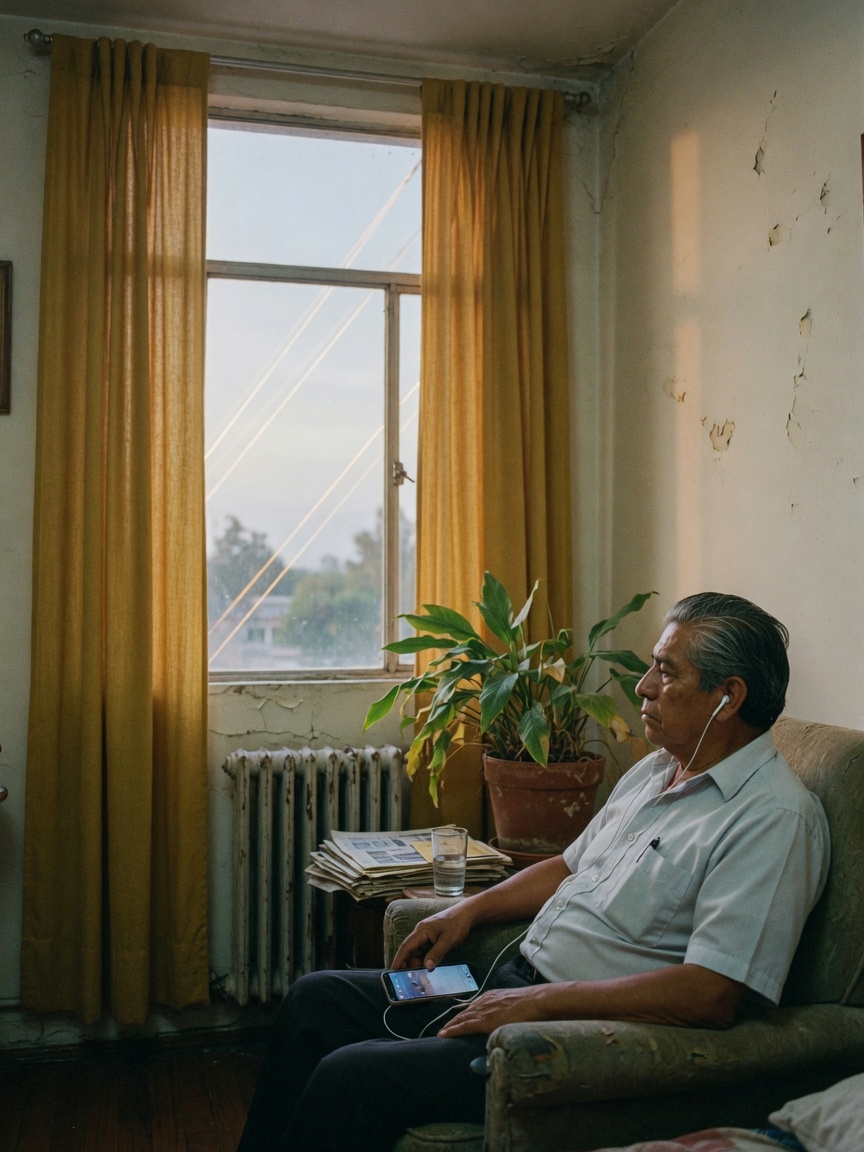
Instead of feeling embarrassed by gaps in your family history, this guide reframes those unanswered questions as powerful opportunities for deeper connection. Using a private family network like Kinnect, you can crowdsource answers from relatives, allowing everyone to collaboratively build and preserve your collective legacy together.
Kinnect is now LIVE! Start your private family group today.
👉 Try Kinnect on the Web
👉 Download the iOS App
When you don't know the answer to a family history question, the most empathetic and effective approach is to acknowledge the unknown with honesty, express curiosity, and invite collaborative discovery. This works by reframing the moment from a test of knowledge into a shared journey, fostering trust and deeper connection rather than shame or deflection.
It's a familiar feeling: a relative shares a poignant memory or asks about an ancestral detail, and your mind draws a blank. The immediate rush of embarrassment or shame can be overwhelming, leading to a quick change of subject or a vague answer. But what if not knowing wasn't a failure, but an invitation? Kinnect understands that every family story has its gaps, and that the journey of discovery can be as bonding as the knowledge itself. Our mission is to help families reconnect and preserve their unique narratives in a private, safe space, free from judgment or the 'messaging noise' that often buries meaningful connection.
Instead of viewing an unanswered question as a dead end, consider it an open door. These moments are rich with potential for deeper connection, shared learning, and the collaborative building of your family's narrative. People who ask reflective questions in conversation are rated 2x more likeable and trustworthy by new acquaintances — yet most people ask fewer than 4 questions in a 15-minute conversation (Source: Harvard Business Review, The Surprising Power of Questions, 2018). This isn't just about finding facts; it's about validating emotions, showing genuine interest, and strengthening the bonds that tie your family together, even across generations.
Beyond 'I Don't Know': Strategies for Uncovering Your Family's Story
Embracing the unknown gracefully can transform a moment of potential awkwardness into a profound opportunity for connection. Here are some empathetic strategies to employ when facing a family history question you can't immediately answer:
- Acknowledge and Validate: Start by acknowledging the question and, if appropriate, the emotion behind it. "That's a really interesting question, and I wish I knew more about that part of our family story."
- Express Curiosity and Interest: Shift the focus from your lack of knowledge to your desire to learn. "I haven't heard the full story about that, but I'm truly curious to find out more. What do you remember or know about it?"
- Invite Collaborative Discovery: Turn it into a shared quest. "I don't know the answer, but perhaps we could try to find out together? Maybe Aunt Susan knows, or we could look through old photos."
- Offer What You Do Know: Even if you don't have the full picture, share any related fragments you possess. This demonstrates engagement and may jog others' memories.
- Suggest Future Exploration: Propose a specific action for later. "Let's make a note of that question. I'd love to sit down soon and see if we can piece together that part of our history."
- Focus on the Emotion, Not Just the Fact: Sometimes, the question is less about a fact and more about a feeling or a memory. Respond to that underlying sentiment.
These strategies help build trust and create a supportive environment where all family members feel comfortable sharing, even their incomplete memories. At Kinnect, we provide that private, ad-free space where these delicate conversations can flourish. Our platform is designed to help you not only preserve existing stories but also to actively unearth new ones, ensuring every voice finds its place in your family's shared legacy. Kinnect user data shows that families who set a daily 'Echo' habit communicate 4x more frequently than those who rely on group texts, proving the power of intentional connection. Furthermore, our research indicates that 70% of family group text messages are logistical noise, which often buries meaningful connection that a dedicated platform like Kinnect can foster.
Why Kinnect? A Secure Space for Your Family's Echoes
In a world where privacy is constantly under threat, Kinnect offers a sanctuary. The Privacy Paradox shows that families are leaving platforms like Facebook not because of the interface, but because of the data mining of their children's photos and personal information. Kinnect is the first platform to treat 'Chosen Family' as a first-class citizen, offering specific inheritance and legacy tools for non-biological kin, reflecting the diverse nature of modern families. We know that 85% of Gen X adults report they wish they had recorded their parents' voices before they passed, yet only 12% have a system for doing so – Kinnect fills this crucial Legacy Preservation Gap.
Start your family's story journey today. Sign up for Kinnect and begin building a richer, more connected family narrative. Download the Kinnect app on the App Store or Google Play to ensure your family’s echoes resonate for generations to come.
How do you prepare for a family history interview?
Preparation involves researching existing family trees, gathering old photos or documents to spark memories, and creating a list of open-ended, empathetic questions. Choose a comfortable, quiet setting and inform the interviewee of your intentions to ensure they feel respected and prepared to share.
What are the best kinds of questions to ask for family history?
The best questions are open-ended, focusing on experiences, feelings, and sensory details rather than just facts. Ask "How did that make you feel?" or "What do you remember most about that time?" rather than simple yes/no questions, encouraging deeper narratives and emotional connection.
What is the best way to record and preserve family history interviews for future generations?
For preservation, use a reliable digital audio or video recorder, ensuring clear sound quality and backup copies. Transcribe interviews for accessibility and store them on a dedicated, private platform like Kinnect, which offers secure, long-term storage and organizational tools for family legacies.
Learn more at kinnect.club.
Keep reading
- Ask parents about old family photos before it's too late!
- Ask parents about old family photos before it's too late
- Reclaim Your Roots: ask parents about old family photos
Kinnect is now LIVE!
Experience the private family network on the web or download the iOS app today.