It's tough finding family activities that genuinely work for everyone. You've got adult children in their 30s and 40s, parents in their 60s and 70s, maybe even older relatives. Their interests can feel miles apart. The key isn't forcing everyone into one activity they hate. It's about finding common ground or creating new traditions that blend different generations' strengths and preferences.
Kinnect is now LIVE! Start your private family group today.
👉 Try Kinnect on the Web
👉 Download the iOS App
One of the best ways to connect is through shared meals, but not just eating. Try cooking together. Pick a recipe that requires different levels of skill. Maybe Grandma handles the delicate pastry work, while a younger adult dices vegetables, and another sets the table. Everyone has a role, and the conversation flows naturally while you're focused on a task. It's less pressure than just sitting and talking.
Board games or card games can be great, but choose wisely. Avoid overly complex strategy games that might frustrate some, or fast-paced ones that exclude others. Cooperative games, where everyone works together to beat the game, are often fantastic for intergenerational groups. There's no winner or loser among family members, just a shared goal. Think "Pandemic" or "Forbidden Island" if your family enjoys something a bit more involved, or classic card games like Rummy or Uno for lighter fun.
Consider a shared learning experience. This doesn't have to be formal. Maybe someone in the family knows how to knit, or can teach basic photography skills using a smartphone, or has an interesting hobby they can share. You could even watch an online tutorial for a simple craft project, like making candles or painting rocks, and do it together. The goal isn't perfection, it's the shared process and the laughter that comes with it.
Nature walks work well for many families, provided the terrain is accessible. It's low-impact, gets everyone outdoors, and provides a backdrop for conversation. You can make it more engaging by turning it into a scavenger hunt – looking for specific leaves, birds, or interesting natural objects. Or just enjoy the quiet alongside each other.
Another powerful activity is simply sharing stories. Not in a formal "interview" way, but by looking through old photo albums or watching home videos together. Someone might remember a funny anecdote from a trip or a childhood memory that others have never heard. These casual storytelling moments are gold. They build empathy and a deeper understanding of everyone's personal history. You could even use prompts like those mentioned in Weekly family challenge ideas to spark real conversations to get things flowing.
Making shared family experiences a regular thing
Volunteering together as a family can also be incredibly bonding. It shifts the focus from individual entertainment to a shared purpose. Working at a local food bank, cleaning up a park, or helping out at an animal shelter gives everyone a sense of accomplishment and teaches younger generations about giving back. It's a different kind of shared experience, but a very powerful one.
Making these activities a regular part of your family's rhythm takes some planning. It won't always happen spontaneously, especially if you're a distributed family living in different places. Try to schedule things in advance, even if it's just a monthly video call dedicated to a game or a storytelling session. Consistency is what really builds those lasting connections and memories.
And don't forget the power of just being present. Put phones away. Really listen. Sometimes the activity itself is less important than the quality time it creates. The laughter, the inside jokes, the quiet moments of shared companionship – these are the things everyone will remember.
It’s easy to let these moments slip away, to assume they’ll happen on their own. But life gets busy, and the older generations won't always be here to share their stories and experiences. Losing those connections and the history they hold is a real fear for many families. That's why having a dedicated space to nurture these bonds and capture these moments matters so much.
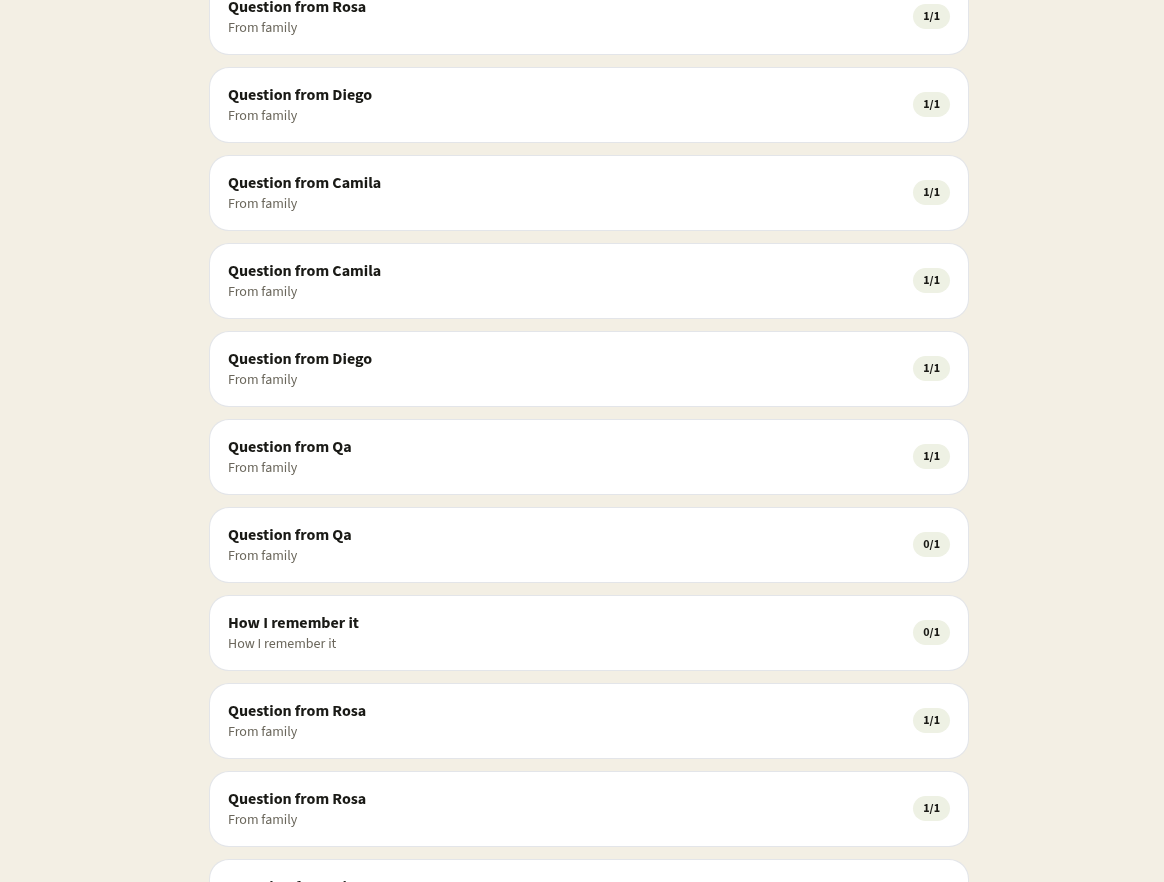
Kinnect is a private, invite-only platform that helps families preserve memories, stories, and essential life information across generations. It's designed to make consistent connection easy and meaningful, not just a fleeting social media update. One of its key features, Kinnect's Octopus missions, are specifically crafted for intergenerational groups. They're shared weekly challenges or activities that your whole family group can complete together, no matter where they are, giving everyone a reason to engage and create new shared experiences that become a part of your family's permanent record.
To deepen your family's connections and preserve your unique history, visit kinnect.club today.
Q: What if our family lives in different cities or states?
Many intergenerational activities can happen remotely. Video calls are great for playing card games, sharing photos, or even cooking the same recipe in different kitchens. The key is scheduling a dedicated time and making it a fun, recurring event.
Q: How do we choose an activity everyone will genuinely enjoy?
Start by asking everyone what they'd like to do, or at least offer a few options. Look for activities that have a low barrier to entry and can be adapted for different physical or cognitive abilities. The goal isn't perfection, it's participation and connection.
Q: Should we force everyone to participate in every activity?
Definitely not. Family activities should feel like an invitation, not a mandate. Encourage participation, but respect that some people might prefer to observe or engage in different ways. The more relaxed the atmosphere, the more enjoyable it will be for everyone.
Q: How often should we plan these intergenerational activities?
The ideal frequency varies for every family. Some families thrive on weekly get-togethers, while others might do better with monthly or quarterly events. The most important thing is consistency and making it a priority, whatever schedule works best for your group.
Keep reading
Kinnect is now LIVE!
Experience the private family network on the web or download the iOS app today.
For another meaningful way to bridge the distance with your loved ones, especially when schedules don't align for a live call, consider the power of asynchronous video. Read more in our article, Video Messages Family Connection: A Warmer Way That Works.