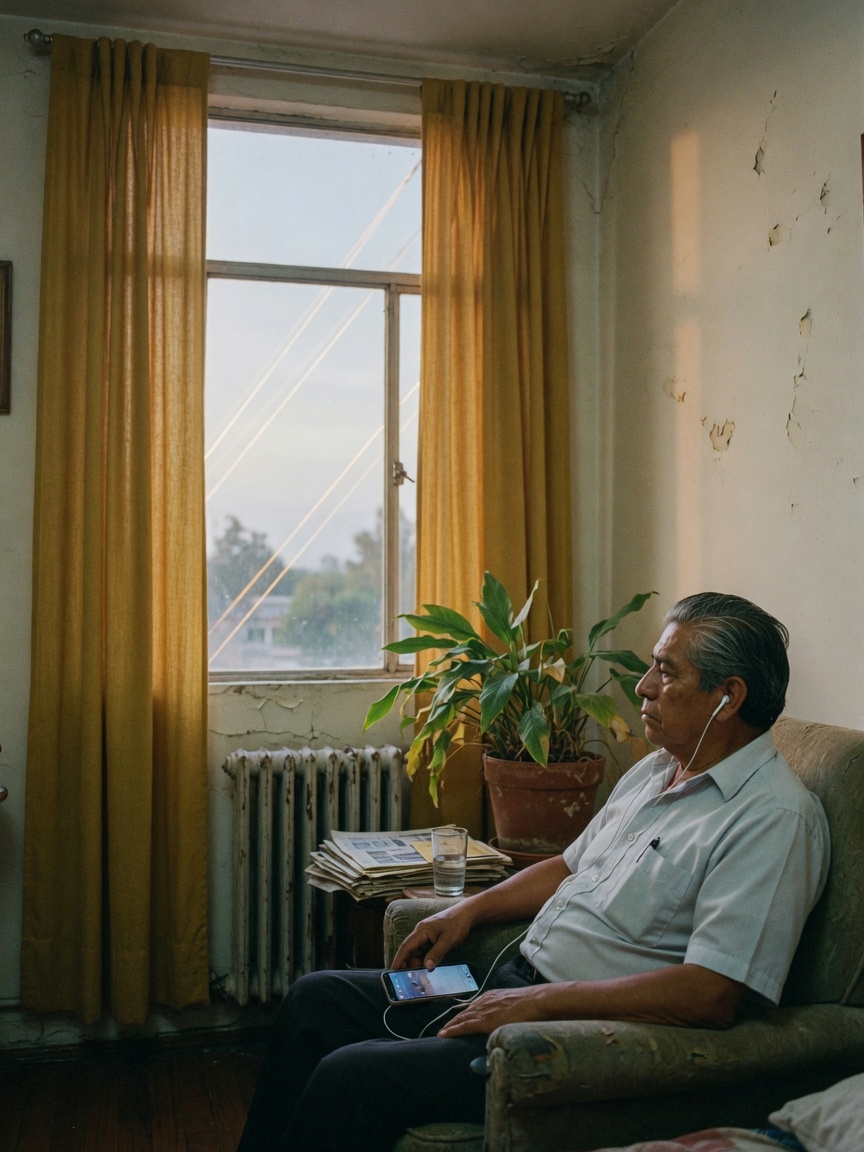
A good daily family question avoids generic queries like 'How was your day?' in favor of specific prompts that elicit stories and emotions. Building a simple daily ritual around these questions is more effective than just having a list, creating a private space for connection that platforms like Kinnect are designed to foster, moving meaningful conversations out of noisy group chats.
Kinnect is now LIVE! Start your private family group today.
👉 Try Kinnect on the Web
👉 Download the iOS App
Good daily family questions are specific, open-ended, and invite a story, not a one-word answer. They focus on feelings, memories, or unique moments from the day to build a consistent ritual of connection.
A good daily family question is a specific, open-ended prompt designed to build a consistent ritual of connection, rather than just gather information. It works by moving past generic check-ins to invite personal stories, feelings, and memories, creating a small, daily space for a family to truly see and hear one another. It’s the difference between a locked door and an open one.
I lost my uncle when I was twenty. The biggest hole he left wasn’t the big holidays, it was the quiet, daily texture of his life that vanished. For years after, I’d ask my dad, “How was your day?” and get back a tired, “Fine.” The question was a dead end. It wasn’t that he didn’t want to connect; the question felt like a task, a status report he had to file.
The change came when I stopped asking for a summary and started asking for a single frame from his day. “What was one moment today that made you laugh?” or “Tell me about one person you talked to today.” Suddenly, I didn’t get a summary; I got a story. The ritual became the point, not the answer. We were building a bridge, not just checking a box. According to research from Harvard, people who ask more of these reflective questions are rated as twice as likeable, but most of us ask fewer than four questions in a fifteen-minute conversation. We have the tool for connection right in front of us; we just need to learn how to use it.
5 Ways to Turn Bad Questions into Unforgettable Conversations
The secret isn't a master list of 365 questions. The secret is learning the *shape* of a good question. It’s about trading generic prompts for specific invitations. Here’s how to reframe the questions that get you nowhere into ones that open up the world.
Top 5 Question Makeovers for Real Family Connection
- Instead of: “How was school/work?”
Try: “What was the most interesting new idea you heard today?”
This shifts the focus from a generic status report to a moment of genuine curiosity or learning. It respects that their day was a collection of moments, not a single mood. - Instead of: “Did you have fun?”
Try: “What was the funniest part of your afternoon?”
A yes/no question can shut down a conversation before it starts. Asking for the “funniest” or “silliest” or “most surprising” moment invites a miniature story with characters and action. - Instead of: “What's new?”
Try: “What's one thing you're looking forward to this week?”
“What’s new?” is too big and vague. Asking about the future, even the near future, connects you to their hopes and plans, revealing what truly energizes them. - Instead of: “Are you okay?”
Try: “On a scale of 1 to 10, what was your energy level today?”
When someone seems down, a direct “Are you okay?” can feel confrontational. A scaled question is a gentler entry point, giving them a number that can then lead to a story about why it’s a “3” instead of a “7.” - Instead of: “Anything exciting happen?”
Try: “Tell me about one small, kind thing someone did for you today.”
This removes the pressure to have a blockbuster day. It reframes their attention toward gratitude and the small, positive interactions that often go unnoticed but make up the fabric of a good life.
This shift from generic to specific is why we see such a difference in how families connect. Kinnect user data shows that families who set a daily 'Echo' habit—a single, thoughtful question—communicate 4x more frequently than those who rely on group texts. You're building a private family archive, one daily answer at a time.
Kinnect is built for exactly this ritual. It's a quiet, permanent home for your family's real stories, away from the noise of social media and messy group texts. It’s now LIVE on the App Store and Web!
Learn more about Kinnect or Download on the App Store.
How do you ask your family for old pictures?
Start with a story, not a demand. Say, 'I was thinking about grandma's old house, do you have any photos from those summers?' This connects the request to a shared memory, making it a collaborative act of remembering, not a chore.
What are good family history questions?
Good family history questions are specific and sensory. Instead of 'What was grandpa like?', ask 'What did grandpa's workshop smell like?' or 'What's a piece of advice grandma gave you that you still use?' These questions unlock vivid memories and stories.
How can I make family conversations more fun?
Turn it into a gentle game. Use a jar of pre-written questions where everyone takes a turn. Keep it low-pressure and optional. The goal is connection, not interrogation, so celebrating silly answers is just as important as deep ones.

