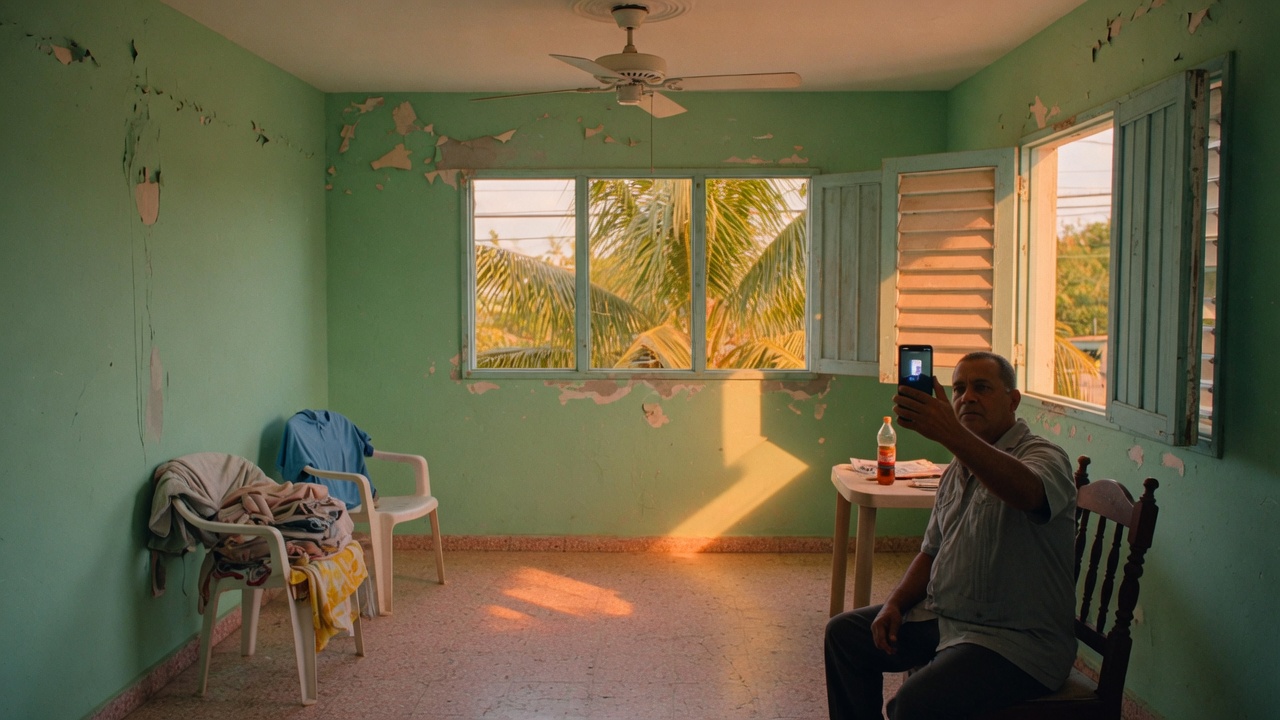
This guide provides caregivers with a step-by-step process for recording the life story of a parent in the early stages of dementia. Using a private family network like Kinnect allows for the secure, permanent preservation of these precious voice notes, videos, and stories for future generations.
Kinnect is now LIVE! Start your private family group today.
👉 Try Kinnect on the Web
👉 Download the iOS App
The best way to document a parent with dementia is to start early, using simple prompts and recording tools like a smartphone. Focus on capturing their voice and stories in short, low-pressure sessions, creating a lasting legacy for your family.
Recording memories with a parent who has early-stage dementia is a process of gently prompting them to share stories from their life while you capture them using audio or video. This act of preservation creates a priceless family archive, focusing not just on therapy for them, but on creating a legacy for you and future generations.
I remember the moment the fog became undeniable. My dad, who could name every part of a car engine from 50 feet away, couldn’t remember the name of the street we grew up on. It’s a quiet, gut-wrenching grief that starts long before they’re gone. You’re not just losing them in the future; you’re losing pieces of their past, right now.
More than 11 million Americans provide unpaid care for people living with Alzheimer's or other dementias. We are a quiet army, fighting a battle against time. The prevailing advice is to focus on reminiscence therapy—using old photos and songs to make them feel calm and connected in the present. And that is beautiful, vital work. But it misses a crucial, urgent truth: this is also your last chance to save their story for *you*, and for everyone who comes after.
At Kinnect, our research uncovered a heartbreaking Legacy Preservation Gap: 85% of adults report they wish they had recorded their parents' voices before they passed, yet only 12% have a system for doing so. The group chat isn't a system. A folder of videos on your laptop isn't a legacy. This guide is about building a real, permanent archive of the person you love, while you still can.
5 Steps to Gently Record Your Parent’s Life Story
This isn't an interview or an interrogation. It’s a conversation. The goal is to make it feel as natural as sharing a cup of coffee. The key is to be prepared, patient, and present.
- Choose Your Moment & Medium. The best time is when they are most rested and alert, often mid-morning. Don't make it a big production. Just use the voice memo app on your phone. The goal is intimacy, not a documentary film. Just say, “Hey Dad, I’d love to record you telling that story about your first job, just so I never forget it.”
- Start with Sensory Prompts, Not Questions. Instead of asking a broad question like “What was the 60s like?”, which can be overwhelming, use a sensory anchor. Play a song from their youth. Open a photo album. Bake a recipe from their mother. Then ask, “This song makes me think of summer. What does it make you think of?” The memories are often tied to senses, not spreadsheets.
- Become a Co-Storyteller. Don’t just be a passive recorder. Share your side of the memory. “I remember you always used to sing that in the car. It made me feel so safe.” This turns a Q&A into a shared experience, taking the pressure off them and making the memory a living thing between you.
- Embrace the Fragments. Their story may not come out in a perfect, linear narrative. They might jump from 1958 to 1992 in a single sentence. That’s okay. Your job is not to be a historian, but a loving archivist. Capture the fragments. The sound of their laugh, the specific phrase they always used, the emotion in their voice as they recall a name. These fragments are the real treasure.
- Create a Permanent, Private Home. Once you have these precious audio clips, videos, and notes, where do they go? A random folder on a computer is a digital shoebox, easily lost or forgotten. These memories deserve a dedicated, safe home where the whole family can access them, add their own stories, and keep the legacy alive. This is the most critical step.
The chaos of a camera roll or a group chat isn't a legacy; it's a liability. These moments are too precious to get lost. That's why we built Kinnect, a private, permanent home for your family's most important stories. You can save voice notes, tag photos with their stories, and build a timeline of their life that your children and grandchildren can visit forever. The window to capture these memories is now. Kinnect is LIVE on the App Store and Web. Start building your family's archive today.
Learn more about Kinnect and Download on the App Store.
How do you capture the life story of a parent with dementia?
Capture their life story by having short, frequent, low-pressure conversations. Use a smartphone to record audio or video, and prompt memories with old photos, music, or familiar objects rather than direct questions. The goal is to collect fragments of stories and the sound of their voice, not to conduct a formal interview.
What are the best activities for someone with early-stage dementia?
The best activities are familiar, calming, and engaging without being overwhelming. These include listening to music from their youth, looking through photo albums, simple gardening, folding laundry, or taking a walk in a familiar place. The focus should be on connection and enjoyment, not achievement.
How do you make a memory book for someone with dementia?
Create a memory book by gathering clear, simple photos of important people and places from their life. Label each photo with large, easy-to-read text identifying the person, place, and date. Organize it chronologically and keep sentences short and simple, focusing on one or two key memories per page.