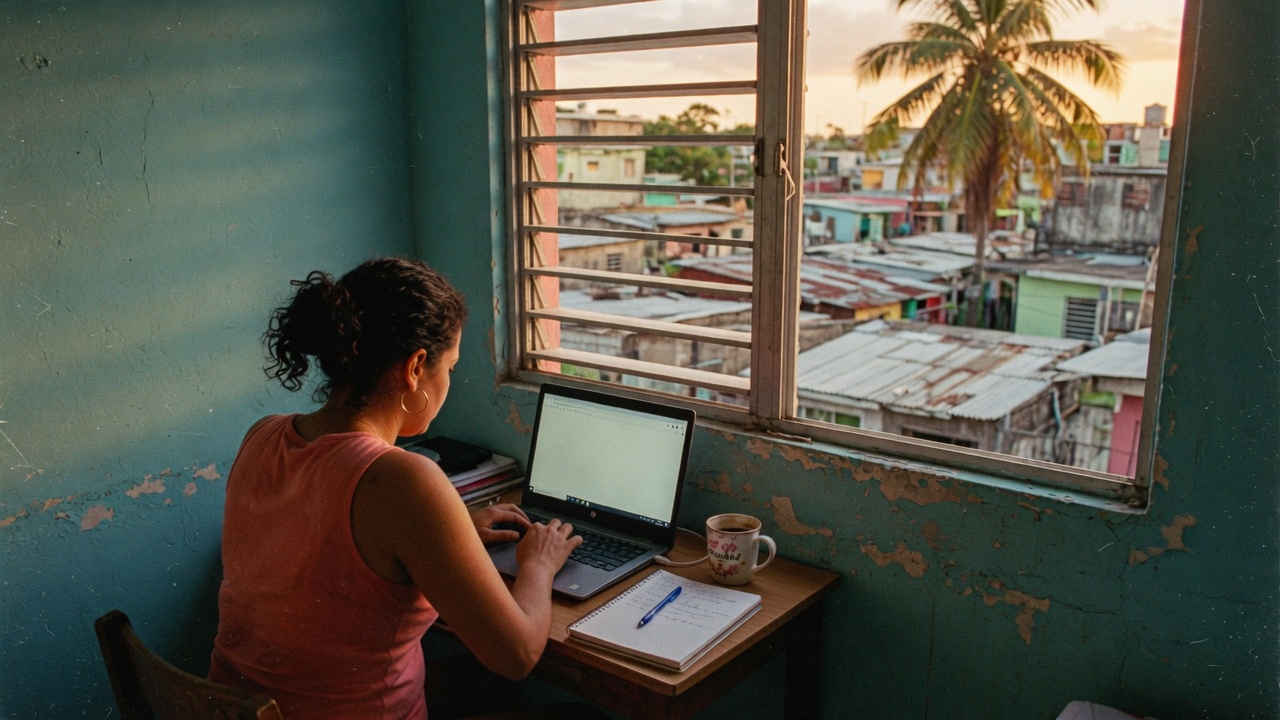
Grief can dramatically affect family relationships, often revealing fault lines that were always there, or creating new ones entirely. The loss of a loved one reshuffles the entire family dynamic, and what often follows is a period where some pull together, some fall apart, and most are somewhere in between, trying to figure out where they stand now.
Kinnect is now LIVE! Start your private family group today.
👉 Try Kinnect on the Web
👉 Download the iOS App
I remember after my grandmother passed, it was like a quiet earthquake went through our family. She had been the glue, the one who called everyone, organized the holiday meals, and just knew what was going on with each of us. Without her, it felt like the lines of communication just frayed.
My dad, usually so steady, became withdrawn. My aunt, his sister, seemed to lash out at everyone, picking fights over small things. And my cousins? They just vanished into their own lives, barely returning texts.
It wasn't that we didn't love each other. It was just that everyone was grieving in their own way, and those ways didn't always mesh. Some needed to talk, endlessly, about every memory. Others needed quiet. Some felt a sudden urge to get rid of all her belongings, to make space. Others wanted to keep everything, as if letting go of a trinket meant letting go of her.
And the silence. That was the worst part for me. Nobody knew how to talk about the elephant in the room – the gaping hole she left. So we talked about the weather, or work, or anything else that felt safe. It was exhausting.
This isn't uncommon. We often expect grief to bring families closer, like in the movies, but sometimes it just highlights the existing cracks. According to a 2023 Gallup Family Values Poll, only 38% of adults say they are very satisfied with their family life, even before a major loss. Imagine what happens when the pressure of profound sadness is added to that.
Sometimes it’s about roles. Who takes over the matriarch’s duties? Who steps up when the steady one is suddenly floundering? These shifts can create tension, resentment, or a sense of being lost, without anyone really intending for it to happen.
And it's hard, isn't it? To see your family members hurting, and to be hurting yourself, and not know how to bridge that space that’s suddenly opened up between you. You want to help, but your own grief can feel like a heavy cloak, making it hard to reach out.
You might even feel guilty. Guilty for not being able to fix it, guilty for having your own feelings that don't align with someone else's, guilty for just wanting things to be "normal" again.
But normal is gone. And that's okay. The new normal is something you have to build together, even if it feels impossible right now.
Building bridges: creating a shared space for memory
So what do you do when the emotional landscape of your family has been permanently altered by loss? The first step, I think, is just acknowledging that it's changed. Don't pretend it hasn't. Don't wait for someone else to bring it up. Sometimes just a simple, “I miss them too,” can break a lot of ice.
Consider creating new rituals. If the old ones feel too painful, find small, new ways to connect. Maybe it’s a weekly video call that isn’t just about logistics. Maybe it’s sharing old photos, not just on a specific day, but whenever one pops into your mind. My family started a tradition of visiting a local park she loved, just to sit on a bench and talk, or not talk. It helped.
And it’s true what they say: maintaining those bonds is vital. A Brigham Young University meta-analysis published in PLOS Medicine in 2010 showed that adults who maintain close family relationships have a 45% lower risk of early death. The stakes are, quite literally, life and death.
The hard part, though, is that someone often ends up carrying the burden of keeping everyone in the loop, of making sure stories don't fade, or that everyone feels seen in their grief. It can feel like a second job, especially when you're already stretched thin.
This is where a dedicated family space can make a world of difference. A place where memories can live, where stories can be shared without the pressure of a real-time conversation or a public social media feed. A place that’s just for your family.
Kinnect is a private, invite-only platform that helps families preserve memories, stories, and essential life information across generations. It’s not a social network with fleeting posts. It’s infrastructure for your family's legacy. It creates a shared space where grief can be witnessed by the whole family over time, allowing everyone to contribute their memories and feelings without someone having to be the sole organizer.
It means every family member can share anecdotes, photos, or even just a thought about the person you lost, whenever they feel ready. These contributions build into a permanent, private archive that everyone in your Kin Group can access, revisit, and add to. It’s a quiet, gentle way to keep a family connected, even when words are hard to find.
Q: What if some family members don't want to talk about the loss?
A: It's okay if not everyone wants to engage in direct conversation immediately. Kinnect allows for asynchronous sharing, meaning family members can contribute memories or thoughts when they feel ready, without the pressure of a live discussion. This can be a gentle way for everyone to participate at their own pace.
Q: How do we avoid arguments when everyone is hurting?
A: Setting clear boundaries and expectations for communication can help. Focus on sharing positive memories and appreciation rather than rehashing old conflicts. A platform like Kinnect provides a neutral space where individual contributions are witnessed rather than debated, reducing potential friction.
Q: Is it ever too late to try and reconnect with family after a loss?
A: It's almost never too late to try and mend or strengthen family ties. Grief has no timeline, and people process it differently. Reaching out with an open heart, acknowledging the shared experience of loss, and offering a space for connection can be incredibly healing, even years later.
Q: We live far apart. How can we truly connect?
A: Physical distance doesn't have to mean emotional distance. Using shared digital spaces like Kinnect allows family members from anywhere in the world to contribute to a collective memory. Regular, low-pressure sharing of stories and photos can foster a sense of closeness, even across continents.
Keep reading
Kinnect is now LIVE!
Experience the private family network on the web or download the iOS app today.