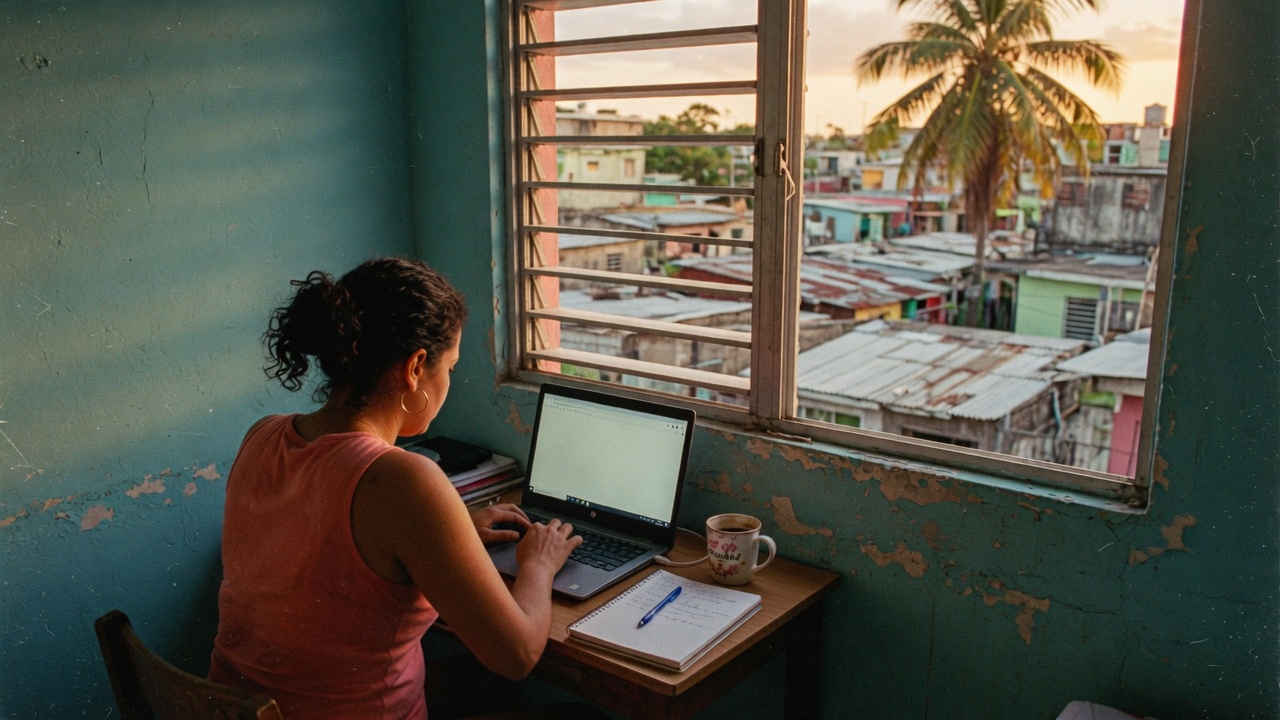
Creating the habit of calling parents more often involves designing a system of 'nudges' to reduce friction, such as habit stacking or environment design, rather than relying on willpower. Platforms like Kinnect help by creating a dedicated space for these intentional check-ins, moving connection from an afterthought to a daily ritual.
Building the habit of calling parents more often is a behavioral design process that involves creating a repeatable system to overcome common obstacles like forgetfulness and emotional friction. It works by integrating small, consistent communication into existing routines, rather than relying solely on motivation or waiting for significant life events.
Kinnect is now LIVE! Start your private family group today.
👉 Try Kinnect on the Web
👉 Download the iOS App
It happens so quietly. One Tuesday becomes two, two weeks become a month, and suddenly you’re carrying this low-grade hum of guilt because you haven't called your mom or dad. I know that feeling. It’s not because you don’t love them. It’s because life is a rushing river of work deadlines, errands, and sheer exhaustion. You tell yourself you’ll call this weekend when you have more time, but the weekend fills up, and the cycle repeats.
Here’s something I had to learn the hard way after my dad passed: that guilt isn't a sign you're a bad son or daughter. It's a sign that your system is broken. We treat calling our parents like a major event we have to brace for, when it should be as effortless as putting on our shoes. The secret isn't more willpower; it's better behavioral design. It's about creating tiny nudges that make connection the easiest possible choice.
Let’s re-engineer this habit from the ground up, using a few simple ideas from behavioral science:
- Habit Stacking: This is the most powerful tool in your arsenal. Don't try to find new time; link the call to something you already do every single day. The formula is: "After I , I will ." For example: "After I start the dishwasher every night, I will call Dad for five minutes." The dishwasher becomes the trigger. No thought required.
- Environment Design: Your environment quietly shapes your behavior. Want to call more? Make your parents more visible. Put a framed photo of them not on a dusty shelf, but right next to the spot on the couch where you unwind after work. That visual cue is a gentle, loving nudge that a text message notification can never be.
- Choice Architecture: The vague goal of "call parents" is a recipe for procrastination. It requires too much mental energy. Instead, make the choice for your future self. Create a recurring, low-pressure calendar event: "Tuesday 5-Minute Call: Ask Mom about her garden." By pre-deciding the time and topic, you’ve removed the friction. You just have to execute.
A Practical Toolkit for Designing Your Calling Habit
Putting this into practice means treating this like a small, important project. The goal isn't to have a perfect, hour-long conversation every time. The goal is to build a rhythm. A simple, predictable beat of connection that lets your parents know they are on your mind. It’s a powerful antidote in a world where over 26% of Americans report feeling lonely on a regular basis.
The Hidden Variable: The Myth of the 'Perfect' Call
The single biggest reason we procrastinate on calling our parents is the subconscious pressure to have a 'meaningful' conversation. We feel like we need a big update, a major life event, or an hour of free time to make it 'worth it.' This is a trap. The truth is, relationship bonds aren't forged in a few marathon conversations; they are maintained in hundreds of small, seemingly insignificant moments. A five-minute call just to say you were thinking of them is infinitely more powerful than the perfect call that never happens. This pressure is also why we fail to capture the small things that become everything later. Kinnect's research shows that 85% of Gen X adults wish they had recorded their parents' voices, but almost no one has a system for it. We wait for the perfect story, the perfect moment, and the quiet, everyday memories slip away.
Building a system of calls is the first step. The next is creating a home for those moments—a place to share a quick photo from your walk, a short voice note about a funny memory, or just a simple 'thinking of you' that doesn't get buried by memes and logistical noise. This is why we built Kinnect. It’s a quiet, private space designed for these small, consistent acts of connection, ensuring the important things are never lost in the shuffle.
Why do I feel guilty for not calling my parents?
Guilt is often a sign of cognitive dissonance—the gap between your values (you love your parents and want to be connected) and your actions (you aren't calling). It's a signal to adjust your system, not a judgment of your character.
How often should a grown child call their parents?
There is no magic number. The goal is a rhythm that feels sustainable and meaningful for your family. Consistency is more important than duration; a predictable 5-minute call every week is far better for the relationship than a stressful, hour-long call you make once every two months.
What can I talk about with my parents on the phone?
Keep it simple and specific. Ask about a small, concrete part of their day: their garden, the book they're reading, a neighbor they spoke to. Share one small detail from your own life. The goal isn't to report news; it's to share a moment.
Learn more at Kinnect.