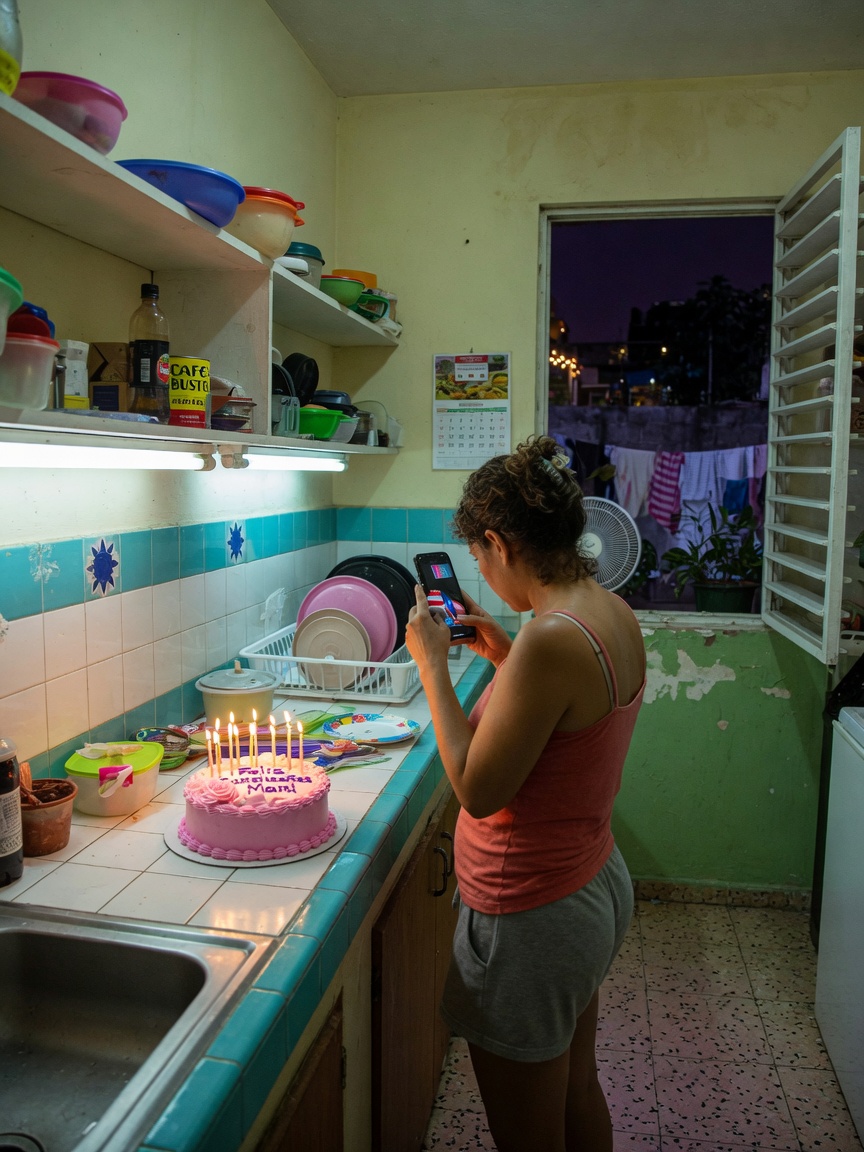
The struggle to celebrate birthday long distance family in a way that feels genuinely meaningful is real. A quick text and an emoji just don't feel like enough, do they? Everyone knows that hollow feeling, but it's hard to figure out what else to do when miles separate you. You want to show you care, but planning from afar can feel overwhelming.
Kinnect is now LIVE! Start your private family group today.
👉 Try Kinnect on the Web
👉 Download the iOS App
But it doesn't have to be. You can make long-distance birthdays feel special by focusing on shared experiences and thoughtful, personalized gestures. The key isn't necessarily a big, elaborate gift, but rather an intentional effort to bridge the physical gap with emotional presence.
One of the simplest ways to do this is a dedicated video call, not just a quick "Happy Birthday!" But make it an event. Maybe everyone in the family joins in, or you schedule it for a time when the birthday person can open gifts or enjoy a cake virtually with you. According to the Journal of Marriage and Family, in their 2002 study on Family Routines and Rituals, families who participate in shared activities at least once a week report significantly stronger bonds and communication. A virtual birthday celebration definitely counts as a shared activity.
Consider a coordinated "dinner party." Everyone cooks or orders the same type of meal, then hops on a video call to eat together. It’s a simple way to create a shared experience, even if you’re not in the same room. Or, if the person has a favorite local restaurant, you could send them a gift card so they can enjoy a meal there, knowing you're thinking of them.
Physical gifts still matter, of course. But make them meaningful. Instead of just buying something off a list, think about what might bring them joy or comfort. A personalized photo album, a handmade card from the kids, or a care package filled with their favorite snacks or local treats from your area can feel incredibly special. The effort involved in curating something like that often means more than the item itself.
Another idea is a "memory video." Ask various family members to record short clips wishing them a happy birthday and sharing a favorite memory. Compile these into one video. It’s a powerful way to show them how many people care, and that their presence is valued across the whole family, even if you're geographically separated.
Beyond the call: deeper ways to connect
Beyond the call, there are even deeper ways to connect and make a long-distance birthday unforgettable. Think about collaborative gifts. Maybe everyone pitches in for a subscription box tailored to their interests, or contributes to a fund for a future trip they want to take. The act of everyone working together to celebrate them can be a gift in itself.
You could also start a "birthday memory jar" for the year. Throughout the year, family members send you notes with memories, jokes, or reasons they appreciate the person. On their next birthday, they get to open all those little slips of paper. It’s a gift that keeps on giving and builds anticipation.
Consider a shared activity they can do remotely. If they love reading, send them a book and arrange a virtual "book club" meeting with a few family members. If they enjoy games, find an online multiplayer game you can all play together. These aren't just one-off calls; they're creating new, shared experiences, which is crucial for maintaining relationships over distance. The Journal of Family Psychology's 2019 study, "Rituals and Family Cohesion," found that families who celebrate together report 40% higher relationship satisfaction than those who rarely mark milestones. These shared rituals, even across miles, really do make a difference, and they're key to keeping extended family close before it's too late.
The challenge with all these thoughtful ideas is remembering to do them. It's easy to forget dates, coordinate efforts with multiple family members, and keep track of who's doing what. Someone usually ends up being the family hub, trying to wrangle everyone, chase down updates, and manage all the moving pieces. It's a lot of emotional labor, and it often leads to good intentions falling through the cracks, leaving everyone feeling a bit disconnected.
That's where a platform designed specifically for family connection and legacy can help. Kinnect, a private, invite-only platform that helps families preserve memories, stories, and essential life information across generations, makes these efforts so much simpler. It gives you a dedicated space to coordinate and share. It's not social media; it's more like a shared family infrastructure. Kinnect notifies you five days before a birthday, giving you plenty of time to organize a video call, send a thoughtful package, or gather those memory videos. It lets you focus on the connection, not the coordination.
Q: What if they don't like video calls?
Not everyone enjoys being on camera, and that's okay. You can send recorded video messages instead, or even just voice notes. A heartfelt letter or a collaborative digital card signed by many family members can also be incredibly personal and appreciated.
Q: How can I make it personal without being there?
Focus on their interests and past shared memories. Send them something specific to a hobby they love, or a photo collage of old family pictures. Referencing inside jokes or past experiences shows you truly remember and cherish your connection, even from afar.
Q: I always forget until the last minute. What then?
You're not alone in this. Set reminders well in advance—not just the day before. Use a digital calendar or a dedicated family platform like Kinnect that sends you reminders with enough lead time to actually plan something meaningful, rather than just scrambling.
Q: How do we coordinate with other family members?
Designate one person as the "birthday coordinator" for a specific period, or use a shared digital space. A private group chat or a platform like Kinnect can help everyone share ideas, decide on a plan, and delegate tasks so the effort feels communal and less burdensome on any single person.
Q: What if they're not tech-savvy?
For those less comfortable with technology, focus on physical gifts, letters, or phone calls. You can still use technology to coordinate among the family to send them something tangible, like a photo album or a physical card signed by everyone, without requiring them to use an app.
Keep reading
Kinnect is now LIVE!
Experience the private family network on the web or download the iOS app today.
The chaos of family group chats can often add to the coordination challenge. For a simpler way to stay in touch, read our guide on how to fix family group app problems for a more meaningful connection.