Documenting your life story involves capturing key memories, values, and experiences for future generations. Using a private family network like Kinnect ensures these stories are preserved and shared safely, bridging the 'Legacy Preservation Gap' where 85% of adults regret not having a system to record family voices.
Kinnect is now LIVE! Start your private family group today.
👉 Try Kinnect on the Web
👉 Download the iOS App
Documenting your own life story is the process of intentionally recording your memories, experiences, and wisdom to create a lasting legacy for your family. It works by using prompts, interviews, or simple journaling to capture not just events, but the feelings and lessons learned, ensuring your personal history isn't lost over time.
There's a quiet fear that many of us hold: the fear of being forgotten. Not our name or our face in a photograph, but the essence of who we are—the small moments, the hard-earned lessons, the sound of our laughter. We worry that when we're gone, the stories that shaped us will vanish too, leaving future generations with only a faint outline of a person they wish they knew better.
This isn't about building a monument to yourself. It's about giving a profound gift to the people you love most. Research from Emory University has shown that children with a strong knowledge of their family's history demonstrate up to 3x higher resilience and self-esteem. Your stories of overcoming challenges, of finding joy in small things, and of navigating a changing world become their anchor. They are a roadmap that helps them understand where they come from, and more importantly, who they have the potential to become.
5 Simple Ways to Start Telling Your Story
You don't need to be a great writer or have a dramatic life to create a meaningful record. The most cherished stories are often the most simple. Here are five approachable methods to begin documenting your life story today.
- Start with a Timeline: Don't try to write a full memoir at once. Just list the major milestones of your life: birth, school, first job, marriage, children, significant moves. Next to each, jot down one small memory or feeling. This creates a simple framework you can build on later.
- Record Your Voice: The sound of your voice is an irreplaceable treasure. Use your phone's voice memo app to answer one question a week. What was your favorite childhood meal? Who was your best friend in high school? These audio snippets are powerful, intimate, and easy to create.
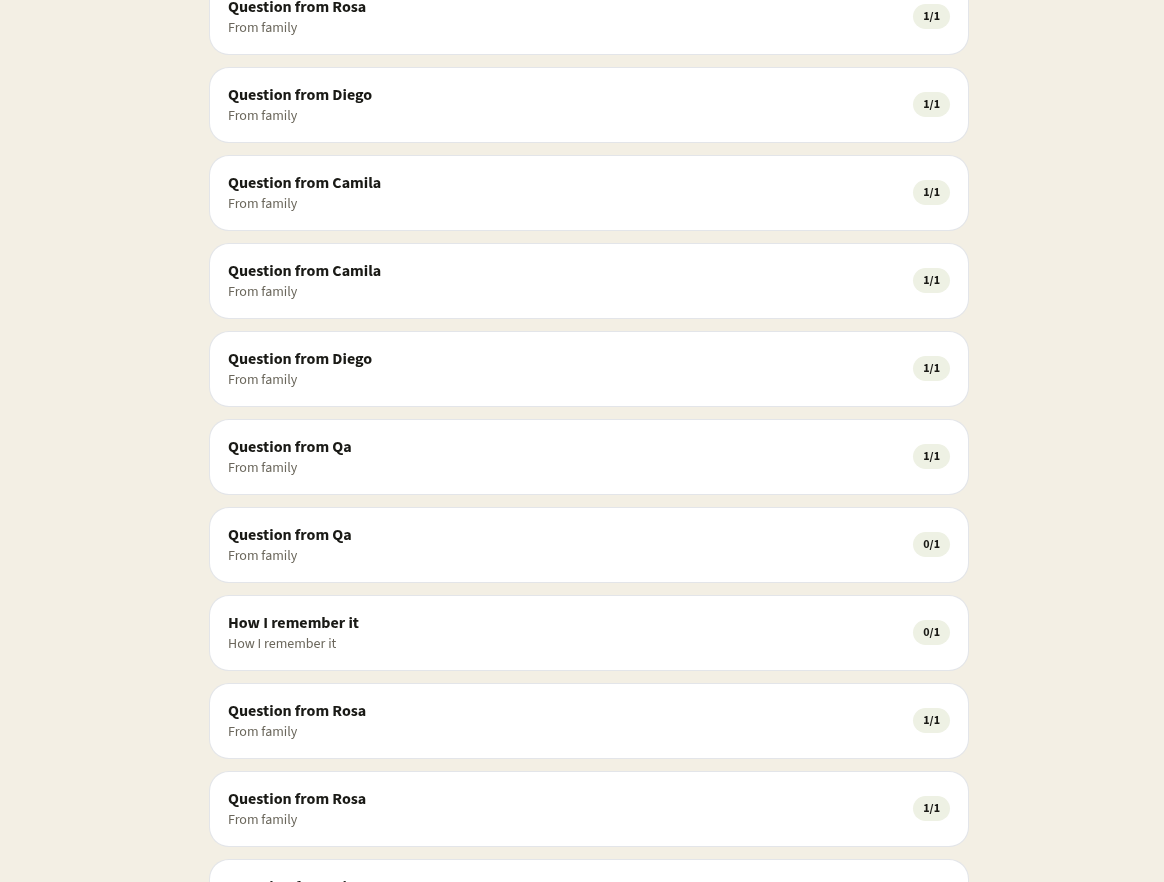
- Answer a Question a Day: Use a journal or a dedicated app to answer a single, simple prompt each day. Questions like, "What's a piece of advice you'll never forget?" or "Describe a perfect Saturday from your childhood." It turns a daunting task into a manageable daily ritual.
- Annotate Old Photos: Go through a box of old photographs. On the back of each one (or in a separate notebook), write down who is in the picture, where it was taken, and what you remember about that day. You are the only one who holds the context for these frozen moments.
- Write "I Remember" Letters: Dedicate a few letters to specific people—a child, a grandchild, a partner. Start each one with "I want you to know..." or "I remember when..." and share a memory or lesson that is specific to your relationship with them.
Bridge the Legacy Gap with Kinnect
Our research uncovered a startling 'Legacy Preservation Gap': 85% of adults wish they had recorded their parents' voices, yet only 12% have a system in place to do so for themselves. The intention is there, but the tools are scattered and public platforms feel unsafe. Kinnect was built to solve this. It's a private, secure space designed exclusively for your family to share these precious stories. You can record voice notes, annotate photos, and answer daily questions, building a beautiful, collaborative family history that is safe from data mining and the noise of public social media. Don't let your story fade away. Start building your legacy on Kinnect today.
Download Kinnect and Start Your Story
Frequently Asked Questions
Why is it important to document your life story?
Documenting your life story preserves your unique experiences and wisdom for future generations. It provides your family with a powerful sense of identity and connection, and studies show it helps build resilience and self-esteem in children.
How do I start writing my life story with no experience?
Start small and don't aim for perfection. Use simple prompts, record short audio clips about specific memories, or simply write down key dates and events on a timeline. The goal is to capture the essence of the memory, not to write a perfect novel.
What is the best way to share my story with family?
The best way is through a private, secure platform where your family can easily access the stories without them being public. Using a dedicated family network like Kinnect ensures your memories are preserved, organized, and shared only with the people you choose, away from the clutter of email or group texts.
Learn more at kinnect.club.