Documenting a life story involves first creating a personal archive—an 'Echo Box'—of digital and physical materials before writing. This organizational step simplifies the process of preserving your legacy for future generations. A private family network like Kinnect provides a secure, permanent space to build and share this digital archive.
Documenting your life story is the process of systematically gathering, organizing, and preserving personal memories, experiences, and materials to create a comprehensive personal history. This archive, often called a life legacy project, serves as a record for oneself, family, and future generations, capturing key events, relationships, and insights.
Kinnect is now LIVE! Start your private family group today.
👉 Try Kinnect on the Web
👉 Download the iOS App
I remember my grandfather’s shoebox. It was tucked away in his closet, filled with faded photos, a few medals, and letters with worn creases. That box was the story of his life, a jumbled but beautiful mess. Today, our mess is different. It’s scattered across a dozen devices, countless cloud accounts, and old hard drives. The thought of wrangling it all into a coherent story feels so overwhelming that most of us just… don’t.
We jump straight to the big, scary question: “How do I write my life story?” But that’s like trying to cook a grand feast without ever going to the grocery store. You’re missing the first, most crucial step.
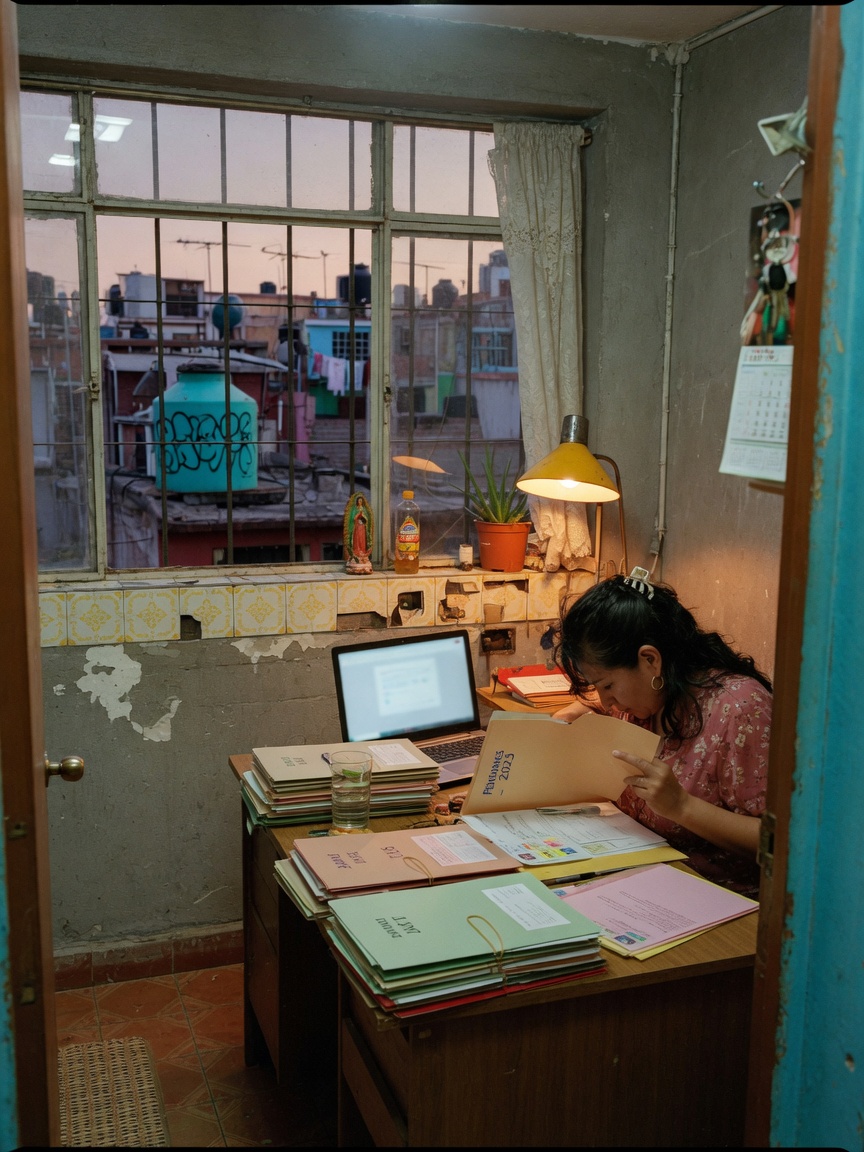
Before you write a single word, you need to build your Echo Box. Think of it as that shoebox, modernized. It’s a single, organized place, both physical and digital, where you gather the raw ingredients of your life. It’s not the story itself; it’s the foundation upon which the story is built. It’s the process of gathering the echoes of your past so the people of your future can hear them clearly.
Building Your Echo Box: A 4-Step Framework
Building your Echo Box isn’t about creating a perfect timeline. It’s about creating a collection that feels like you. It’s a project of love, not logistics. Here’s a simple framework to get you started.
Step 1: The Gathering
Your only goal here is to collect. Don’t organize yet, don’t edit, just gather. Create a main folder on your computer called “Echo Box.” Then, start pulling everything into it. Download your photos from Google Photos and iCloud. Use the export tool on Facebook to get your posts and pictures. Find those old emails you saved. For physical items—letters, journals, ticket stubs—get a sturdy, acid-free box. This is your physical Echo Box.
Step 2: The Curation
Now, you become the curator of your own museum. Go through the items you’ve gathered and choose what truly matters. Not every photo is a treasure. Our research shows that over 70% of messages in family group chats are logistical noise, and the same is true for our digital lives. Your job is to find the signal. Which photo captures a feeling, not just a moment? Which letter holds a lesson? This isn’t about deleting memories, but elevating the ones that hold the most weight.
Step 3: The Context
A photo without a story is just an image. This step is where you breathe life into your archive. For each item you’ve curated, add a small piece of context. You can use a simple document or, even better, record a short voice note. “This is a photo of my first car. I saved for two years to buy it, and the feeling of freedom was something I’ll never forget.” This context is the heart of your legacy.
The Hidden Variable: The Emotional Archive
Most guides on life stories focus on facts, dates, and events. They miss the most important part. The hidden variable isn't what you did, but how you *felt*. The real treasure you’re leaving behind is your emotional archive. Shockingly, our data shows a massive Legacy Preservation Gap: 85% of adults wish they had recorded their parents' voices before they passed, yet only 12% have a system for doing so. They don't just want to know what their parents did; they want to hear the pride, the hesitation, the joy in their voice. Your Echo Box becomes truly priceless when it captures not just the memory, but the meaning behind it.
Step 4: The Sanctuary
Once your Echo Box is organized, it needs a safe, permanent home where it can be shared with the people who matter. Public social networks, with their ad-supported business models, are built for broadcast, not for preservation. They are designed to be temporary streams of content, not permanent family archives.
You need a sanctuary. Kinnect was built from the ground up to be a private, permanent home for your family’s most important stories. It’s a space free from ads and data mining, where you can build your Echo Box, share it securely, and invite your family to add their own context and memories, ensuring your story echoes for generations to come.
How do I start documenting my life?
Start before you write. Use the Echo Box method to first gather all your important materials—both digital and physical—into one centralized place. Getting organized is the most powerful and least intimidating first step to take.
What are the 10 questions to ask for a life story?
Instead of a generic list, focus on emotional prompts. What was a moment you felt truly proud? Who was your first love? What was your biggest regret? What smell reminds you of childhood? What is the most important lesson you've learned? What do you want to be remembered for? Who has influenced you the most? Describe a perfect day. What was your greatest challenge? What is your happiest memory?
How do I write my story for free?
You can write your story for free using simple tools you already have, like Google Docs, a physical notebook, or the notes app on your phone. The most valuable part isn't the software, but the system of organizing your memories first, which costs nothing but your time and attention.
Learn more at Kinnect.