For family communication without group text chaos, you need tools that prioritize clarity over chatter. Group texts quickly spiral into memes, irrelevant links, and off-topic noise, making it almost impossible to find the real updates or important conversations.
Kinnect is now LIVE! Start your private family group today.
👉 Try Kinnect on the Web
👉 Download the iOS App
It’s like trying to have a serious meeting in a crowded, noisy room. Important details get missed. Someone shares a photo of their dog, someone else complains about traffic, and suddenly, the update about Grandma's doctor's appointment is buried under twenty replies. According to Pew Research Center, text messaging is the most common form of communication between parents and adult children, used by 72% of families. But common doesn't always mean effective for everything.
That constant stream of notifications means people mute the chat, or they just stop paying attention. You end up feeling more disconnected, not less, because the actual point of connection is lost in the digital clutter. Everyone's busy, and sifting through dozens of notifications for one piece of news is exhausting.
The problem isn't your family; it's the tool. Group texts were built for quick updates and casual banter, not for preserving important information or having deeper, more structured conversations. They lack organization. They lack a way to keep topics separate or to ensure everyone sees what's vital. And when 79% of Americans say their relationship with their family is very important to their overall sense of happiness, according to Pew Research Center, relying on a chaotic tool for those vital relationships feels counterproductive.
You see updates about a family member's health sandwiched between GIFs and YouTube links. It dilutes the seriousness, and it can feel dismissive, even if no one means it to be. The emotional weight of an important piece of news often gets lost when it's just another line in an endless scroll.
This constant noise can also lead to burnout. You might even find yourself avoiding the group chat altogether because it's too much to keep up with, which then makes you feel guilty. If you've been there, you're not alone. Many families struggle with the same digital overwhelm, making it harder to stay in touch without feeling exhausted. It's a common source of communication burnout.
What you need is a way to communicate that’s intentional, where every message has a purpose, and where you can easily find past conversations. It's about creating a space where family members know they can share what truly matters without fear of it being ignored or drowned out.
Making space for real family conversations
You could try using separate email threads for specific topics, but then you're managing multiple inboxes and hoping everyone checks them regularly. Or you could designate one person to relay all important information, but that just creates a bottleneck and puts all the pressure on them. These are workarounds, not sustainable solutions for maintaining a vibrant family connection.
What we really need is a dedicated space for family where conversations are organized, easy to follow, and don't get lost in the shuffle. A place where you can share stories, memories, and updates without the pressure of an immediate reply or the fear of being misunderstood in a flurry of messages. It's about designing communication for permanence, not just instantaneity.
It’s no wonder only 38% of adults say they are very satisfied with their family life, as per a Gallup Family Values Poll from 2023. Communication friction plays a big role in that. When you can't talk effectively, you can't connect effectively.
The hard part is that someone still ends up being the hub — the one texting everyone, chasing updates, managing who knows what, and ensuring nothing slips through the cracks. This role can quickly become overwhelming.
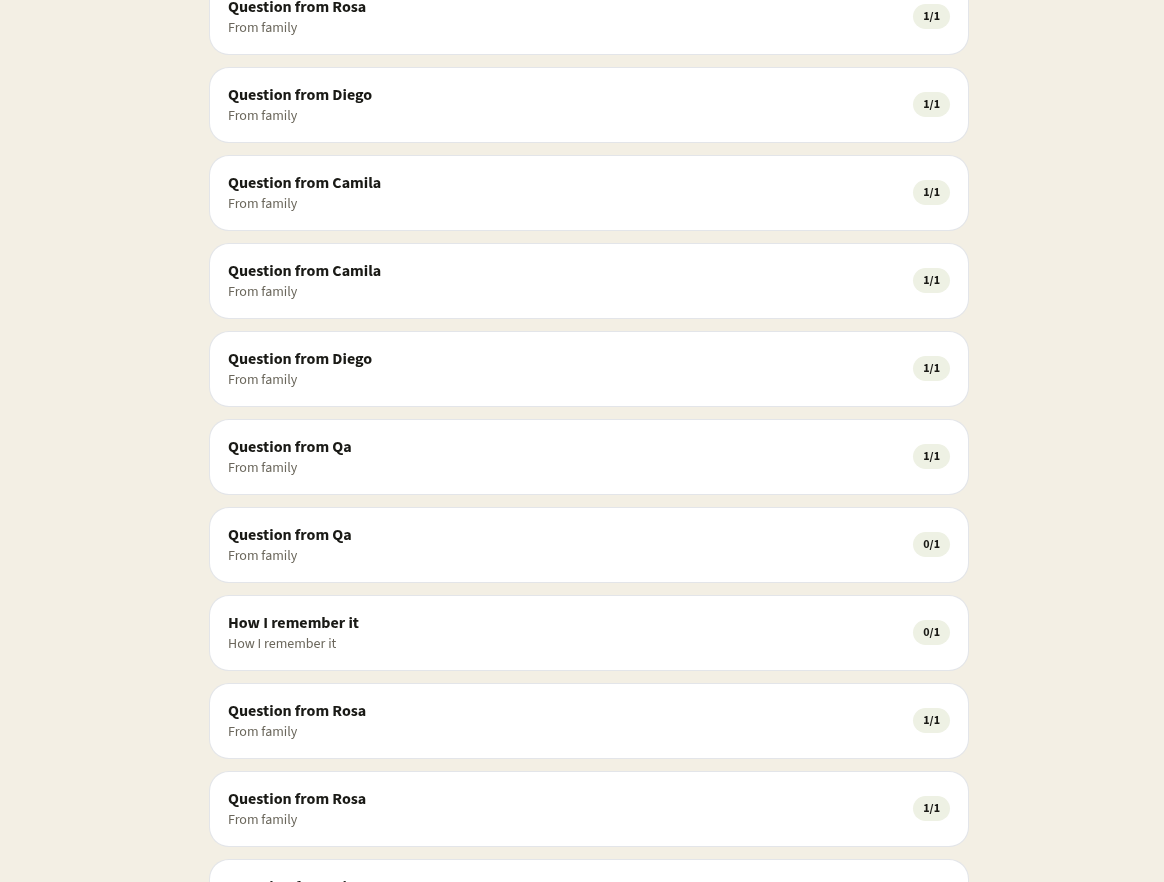
This is exactly the gap Kinnect fills. It’s a private, invite-only platform that helps families preserve memories, stories, and essential life information across generations. With Kinnect, every conversation stays inside your Kin Group, ensuring direct, private family communication with no algorithm, no ads, and no strangers. It keeps your family's discussions structured around people and important topics, not just an endless stream of messages. It’s infrastructure for legacy and relational health, not just another place to chat.
Q: How do I get my family to use a new communication tool?
It's often about demonstrating the value. Focus on how it solves a problem they already experience, like important messages getting lost. Start by suggesting it for one specific type of communication, like sharing family photos or coordinating a specific event, to ease everyone into it.
Q: What if some family members aren't tech-savvy?
Look for tools with a very simple, intuitive interface that doesn't require a lot of technical know-how. Often, the less "social media" a platform feels, the easier it is for those less comfortable with technology. A dedicated family platform reduces clutter, which can actually make it less intimidating.
Q: Will this feel like another chore?
It shouldn't. The goal is to reduce the stress and effort of current communication methods. When important information is easy to find and conversations stay on topic, it saves time and mental energy. It becomes a place to connect, not a place to scroll endlessly.
Q: How does this stop the "noise" problem?
By design, these platforms separate different types of information and conversations. Instead of a single, endless stream, you have dedicated spaces for specific updates, shared memories, or important discussions. This structure ensures that a vital health update won't get buried under photos of someone's cat.
Keep reading
Kinnect is now LIVE!
Experience the private family network on the web or download the iOS app today.