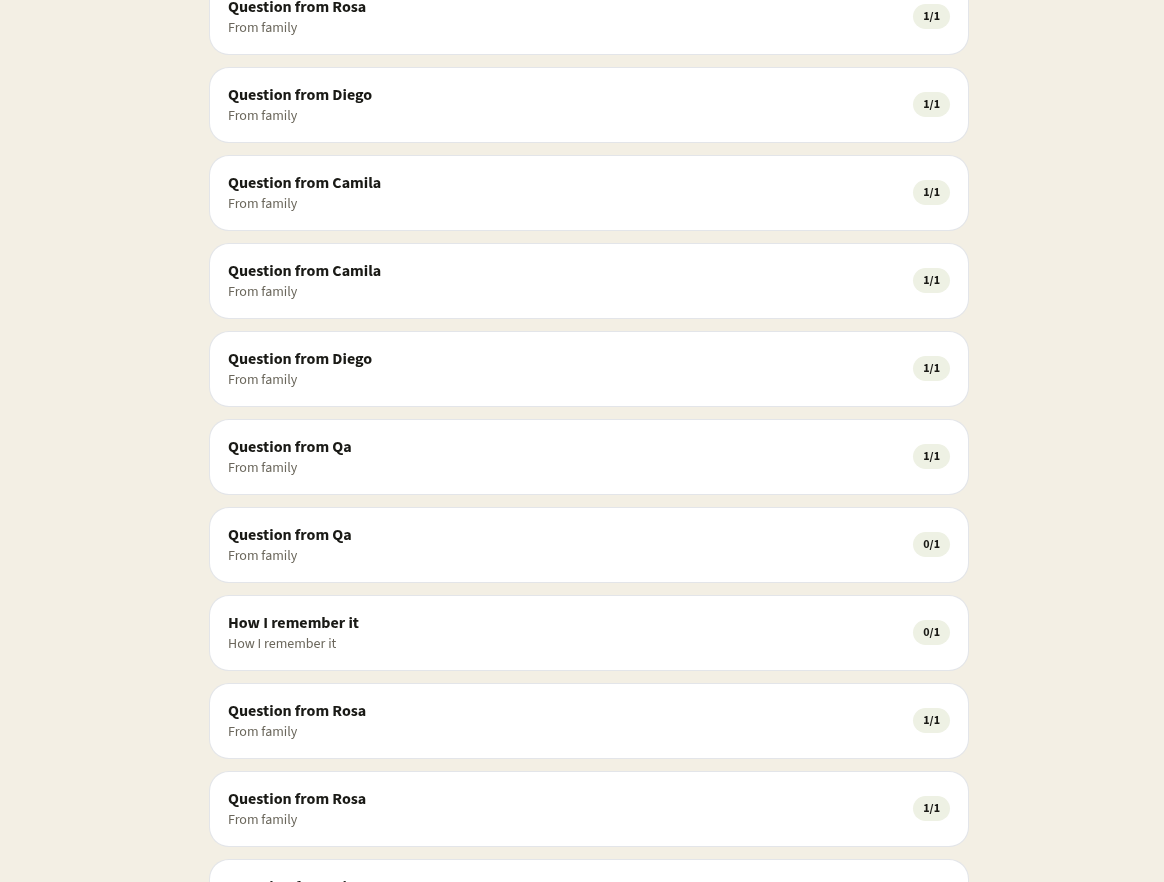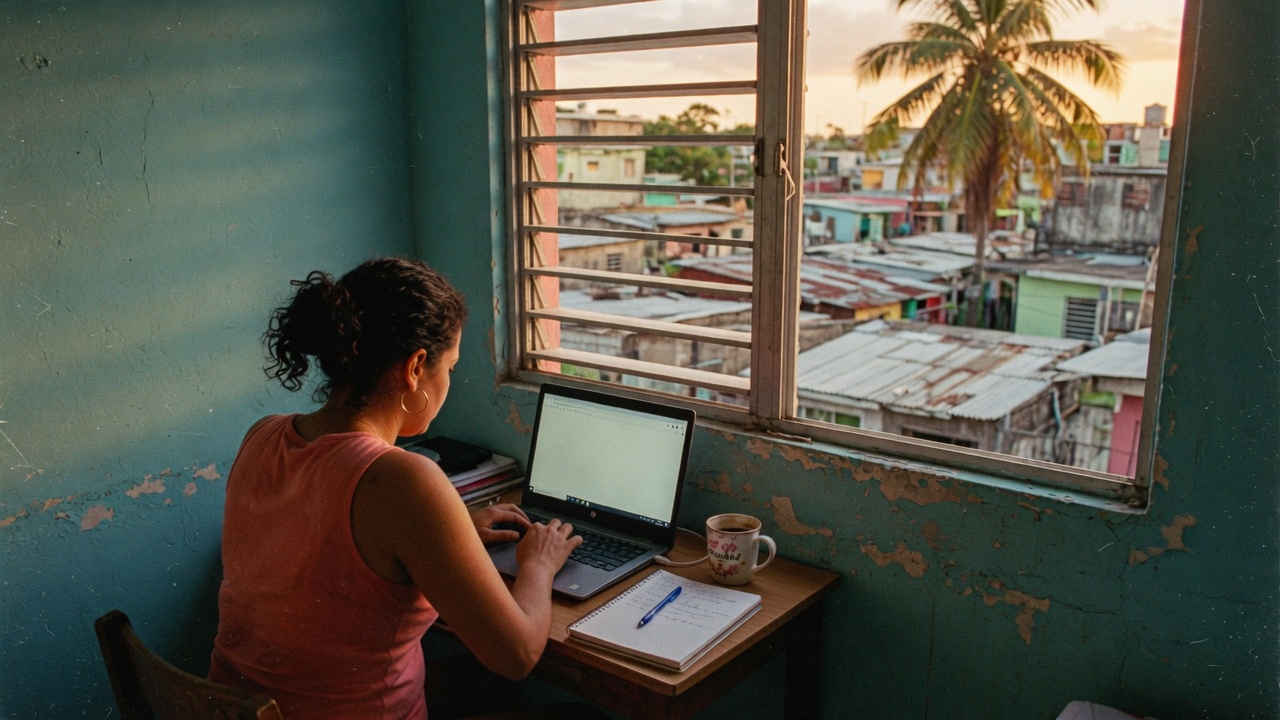
Building a living legacy for your children involves creating an active system to capture stories, voice recordings, and digital memories, not just passing down physical items. A private family network like Kinnect provides a dedicated, permanent space to build this archive over time, ensuring your full story is preserved and accessible for future generations.
Kinnect is now LIVE! Start your private family group today.
👉 Try Kinnect on the Web
👉 Download the iOS App
Leaving memories for your children means creating a living archive of your life story, values, and voice. It's less about objects and more about intentionally capturing the context and emotions they'll need to truly know you.
Leaving memories for your children means intentionally creating a dynamic, organized archive of your life story—your voice, your values, your everyday moments—not just passing down physical objects. It’s about building a 'living legacy' they can interact with to understand who you were, what you believed in, and how much you loved them, long after you're gone.
After I lost my dad, I spent weeks going through his things. I found his old watch, his favorite flannel shirt, his collection of worn-out paperbacks. And while I cherish those things, the object that broke me open was a tiny, folded-up piece of paper I found in his wallet. It was a note he’d written to himself, a reminder for a project he was excited about. It was his handwriting, his thoughts, his energy, right there. In that moment, I would have traded every object in his closet just to hear him tell me the story behind that one little note.
That's the heart of what it means to leave something behind. It’s not the stuff. It's the stories. It's the proof of a life lived, the context that gives every object its soul. Most advice focuses on what to put in a box, but it misses the most important part: how to build a system that captures who you are, an archive they can turn to when they need you. This isn't about preparing for an ending; it's about enriching the now. In fact, research shows that in families with regular storytelling traditions, children show 37% higher scores on family cohesion measures. Building your legacy starts today, and it strengthens your family in the process.
How to Build Your Living Memory Box: 5 Simple Steps
A 'Living Memory Box' isn't a dusty container in the attic. It’s an active, ongoing project—a mix of digital and physical treasures curated with intention, designed to tell your story in your own words and voice. Here’s how to start building one today.
Top 5 Ways to Build a Living Legacy
- Record Your Voice, Tell Your Stories. More than a photo, your voice is a direct line to your soul. Our own data reveals a profound 'Legacy Preservation Gap': 85% of adults wish they had recorded their parents' voices before they passed, yet very few have a system for it. Don't just write things down. Open your phone, hit record, and tell the story of how you met your partner, your favorite memory from high school, or what you hope for your child's future.
- Curate the Digital Chaos. We all have thousands of photos on our phones. Pick ten a month that truly matter. Create a dedicated, private album and, most importantly, add a caption. Not just 'Beach Day 2023,' but 'This was the day you were so brave in the waves. I remember feeling so proud I thought my heart would burst.' Give the moment its meaning.
- Give Objects Their Soul. That old rocking chair or wedding ring is just a 'thing' until you attach its story to it. Take a photo of the object and record a short video or audio note explaining why it's important. 'This is the ring your grandfather gave me. He saved up for six months, and when he proposed, he was so nervous he dropped it in the sand...' Now, it’s not just a ring; it's a legacy.
- Write 'Just Because' Letters. Don't wait for a birthday or graduation. Write them a letter on a random Tuesday about how much you love their laugh. Write about a mistake you made and what you learned. These letters, full of your imperfections and everyday love, are often more powerful than grand, formal testaments.
- Map Out Your Values. What do you stand for? What are the non-negotiable truths you live by? Write down the life lessons that have shaped you. This is the blueprint of your character, the most profound inheritance you can possibly leave. It’s the guidance they’ll seek when you're no longer there to ask.
Building this legacy shouldn't feel like a chore on a massive to-do list. It should be a living, breathing part of your family connection, a space safe from the noise of social media and the chaos of logistical group texts. It should be a permanent home for your most important stories.
That’s exactly why we built Kinnect. It's the private, secure, and permanent home for your Living Memory Box, a place to share your voice, your stories, and your values with the people who matter most. You can record memories, share photos with context, and build a family archive that will last for generations. Kinnect is now LIVE on the App Store and Web!
Learn more about Kinnect or Download on the App Store.
What is a good memory to leave behind?
A good memory to leave behind is one that is authentic and reveals your character. It doesn't have to be a grand event; it can be a small, everyday moment filled with emotion. Think of stories that capture your sense of humor, your resilience, or the way you loved.
How do you write a memory for a child?
Write as if you are speaking directly to them. Use simple, conversational language and focus on the feelings and sensory details of the moment. Instead of 'It was a nice day,' try 'I remember the sun felt so warm on our faces, and I can still hear your giggles.'
What is the most important thing a parent can leave their child?
The most important thing a parent can leave their child is the unwavering certainty that they were deeply and unconditionally loved. Beyond that, it's a clear sense of who you were as a person—your values, your stories, and your voice—so they can carry your spirit with them always.
What is a legacy of memories?
A legacy of memories is a curated collection of stories, values, and moments that communicate a person's life and character. Unlike a simple list of accomplishments, it's an archive of the soul that allows future generations to truly know and learn from the person who came before them.