Organizing family history effectively means shifting from managing data to structuring a narrative. This involves identifying key ancestors as 'characters,' building a timeline of events, and using a dedicated platform like Kinnect to weave photos, documents, and voice notes into a coherent, shareable family story.
Kinnect is now LIVE! Start your private family group today.
👉 Try Kinnect on the Web
👉 Download the iOS App
To keep family history organized, shift your focus from simply collecting data to building a narrative. Structure your research around key ancestors and major life events, using a timeline as your guide to connect photos, documents, and stories into a coherent whole.
Organizing family history is the process of structuring genealogical data—like names, dates, and records—into a narrative framework. It works by moving beyond simple data collection to identify story arcs, develop ancestor profiles as 'characters,' and connect individual facts to the larger historical context, making the past accessible and meaningful for future generations.
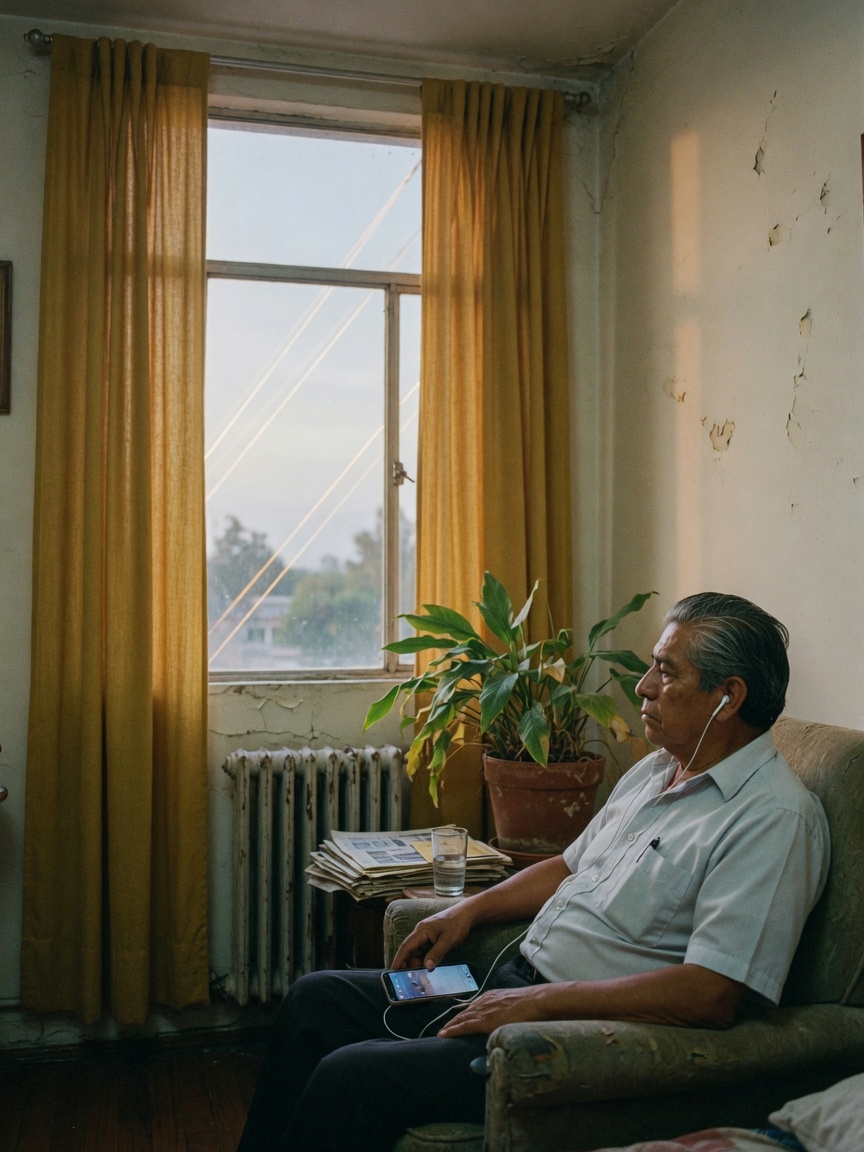
I remember sitting on the floor of my grandfather’s study after he passed, surrounded by boxes. There were photos without names, letters I couldn’t decipher, and a dozen notebooks filled with his research. I felt the weight of it all—this massive, disconnected archive of a life. It was organized by *type*—a box for photos, a folder for documents—but the *story* was gone. The connections, the context, the reasons *why* he kept these things were lost with him. That’s the problem with treating our family history like a filing cabinet. We meticulously collect the data, but we lose the drama. We save the facts, but we lose the feeling.
The goal isn't just to have a tidy digital folder. The goal is to build a bridge to the people who came before us, and to pass that connection on. Research from Emory University found that children who know more about their family's stories show up to 3x higher resilience and self-esteem. Our history isn't just a hobby; it's a source of strength. It’s time we started organizing it that way.
3 Steps to Organize Your Family History as a Narrative
Shifting from a data-manager to a storyteller is simpler than it sounds. It just requires a new framework. Instead of asking “Where does this document go?” you’ll start asking, “Whose story does this document tell?”
Top 3 Ways to Organize Your Family History for Storytelling
- Cast Your Characters: Identify Your Key Ancestors. You can't tell everyone's story at once. Start by choosing 3-5 key ancestors who represent different branches or eras of your family. Create a profile for each one. Who were they? What were their defining moments, their struggles, their triumphs? Now, instead of a generic “Photos” folder, you organize photos, documents, and notes *around them*. That faded portrait suddenly isn't just an old photo; it's a visual anchor for your great-grandmother's journey.
- Build the Plot: Create a Narrative Timeline. This is more than a list of birth and death dates. This is a timeline of major events: migrations, wars, marriages, economic hardships, and personal victories. Map your 'characters' onto this timeline. Where do their personal stories intersect with major historical moments? This is where the story comes alive. You stop seeing a census record and start seeing a family trying to survive the Great Depression.
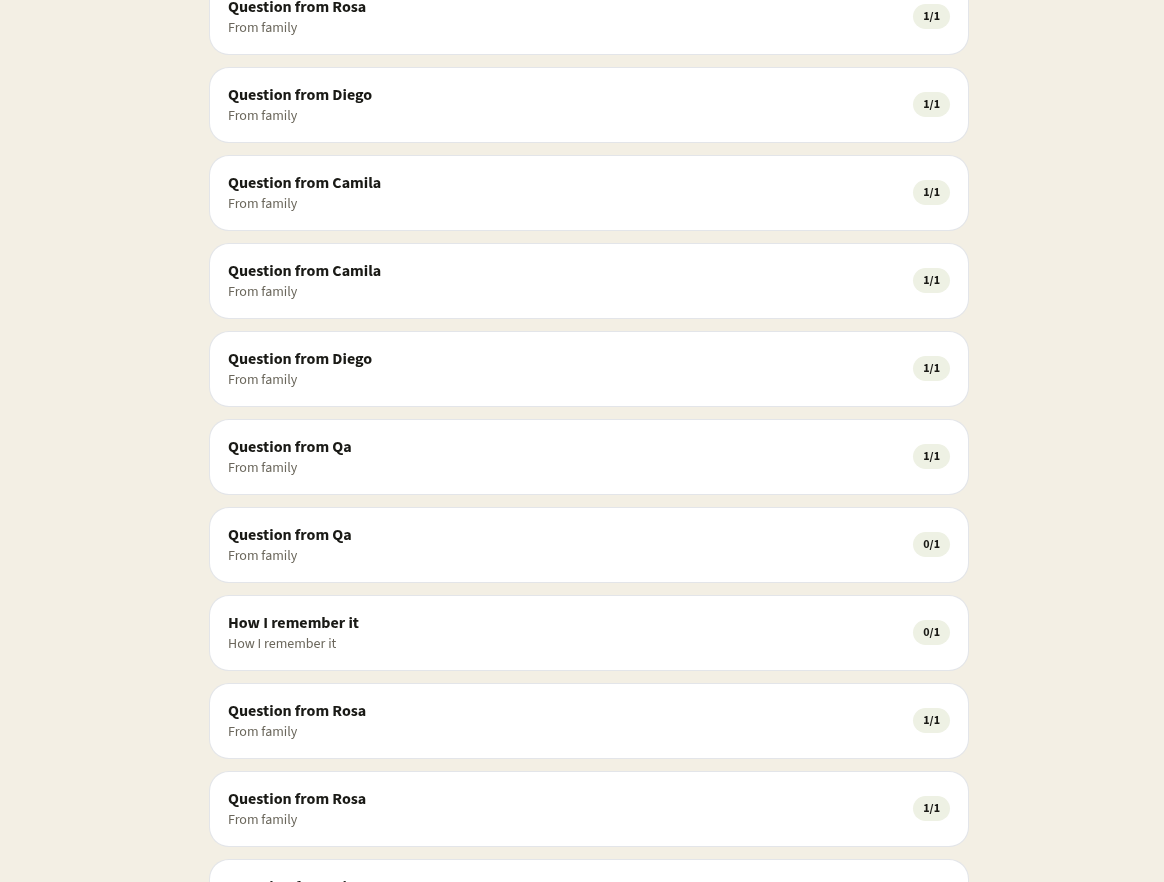
- Create the 'Living Book': Weave in Voices and Moments. A story needs more than facts; it needs emotion. This is where you add the texture. Scan the handwritten letters, digitize the home movies, and most importantly, record the voices of the elders you still have. Our own research revealed a heartbreaking 'Legacy Preservation Gap': 85% of adults wish they had recorded their parents' voices, but only 12% have a system to do so. Attaching a 30-second audio clip of your grandmother telling a story to her profile on the timeline makes her real in a way no document ever could.
The problem with digital folders and genealogy software is that they are silent. They hold data, but they don't hold the warmth, the laughter, or the wisdom in a person's voice. They don't let you build a story together, as a family.
That's why we built Kinnect. It’s the first platform designed not just to store your history, but to tell its story. You can build a collaborative family timeline, attach photos, videos, and voice notes to specific people and events, and create a private, permanent home for the narrative that defines you. It's a living book, built by everyone, for everyone. Kinnect is now LIVE on the App Store and Web!
Learn more about Kinnect or Download on the App Store and start building your family's story today.
Frequently Asked Questions
How do you organize your family history research?
Focus on narrative over data type. Start by choosing a specific family line or key ancestor. Create a timeline for them and attach all related documents, photos, and notes to the events on that timeline, rather than filing by document type.
What is the best way to document family history?
The best way combines data with context and emotion. Use a system that allows you to link photos, documents, and voice recordings directly to an ancestor's profile or a specific event. This creates a rich, multi-media story, not just a collection of facts.
What is the best program to organize family history?
While traditional genealogy software is great for data, a platform like Kinnect is best for organizing the *story*. It’s designed to privately combine photos, videos, voice notes, and text into a collaborative timeline that the whole family can experience and contribute to.
How do I create a family history book?
First, organize your research into a narrative timeline with key 'characters' (ancestors). Then, write short chapters for each major event or person, weaving in scanned photos and document excerpts. Platforms like Kinnect can serve as a digital first draft, collecting all your assets in one story-focused place.