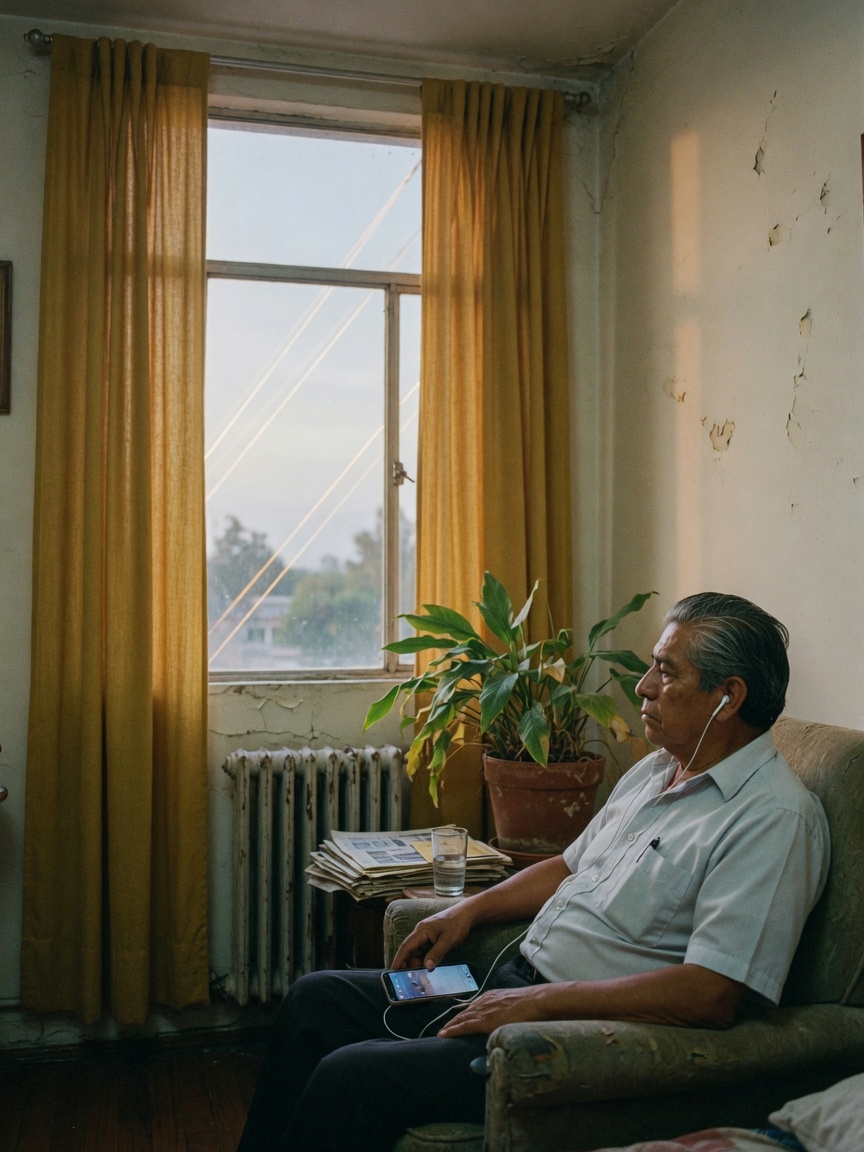
To preserve family recipes with stories, you need to intentionally capture the memories, anecdotes, and personal history attached to each dish, moving beyond just the ingredients and steps. This isn't about perfectly transcribed instructions, but about the living history that makes a recipe truly special.
Kinnect is now LIVE! Start your private family group today.
👉 Try Kinnect on the Web
👉 Download the iOS App
I still have my Nonna’s ravioli recipe, handwritten on a faded index card. It’s splattered with sauce stains and smudged in places where her thumb print must have rested. I can follow the instructions just fine. I make the dish every Christmas Eve, just like she did. But the card doesn’t tell me about the first time she made it, or the funny story about my Uncle Tony trying to sneak a bite of raw dough. It doesn’t tell me how she learned to crimp the edges just so, or what her own mother taught her.
And sometimes, those are the things that truly matter. The taste is one thing, the connection is another. That emotional resonance, the feeling of her hand in mine, that’s what I crave when I pull out that card.
We focus so much on the functional aspect of a recipe—the list of ingredients, the temperatures, the cook times—that we often forget to capture the context. The people, the places, the holidays, the everyday moments that made that dish a part of our family’s fabric. We assume we’ll remember, or that someone else will. But memory is a fragile thing, and stories, like old photographs, can fade if they’re not preserved.
It's more than just nostalgia. According to the Journal of Family Psychology in 2008, families that share stories across generations report stronger bonds and better mental health outcomes for children. These aren't just meals; they're anchors. They connect us to our past, to the hands that prepared them, and to the tables where we gathered. To lose those stories is to lose a piece of our collective identity.
And it happens so easily. Life gets busy. The person who holds those stories might not be around anymore, or their memory might start to slip away. We mean to ask, but we put it off. We think there will always be a next time. And sometimes, there isn't. The card is still there, but the voice that could tell you why the gravy was always a little lumpy on purpose, or the secret to the perfect pie crust, is gone.
Saving a recipe isn't just about saving the ingredients. It's about saving the love, the lessons, and the laughter that went into it. It's about keeping a piece of someone alive, long after they've left the kitchen.
Practical ways to capture the memories behind your family's food
So, how do you actually go about saving these stories? It doesn’t have to be a grand project. Start small, with one recipe, one person. The key is to make it easy and natural.
One of the best ways is to simply ask. When you’re cooking with a family member, or even just sharing a meal, ask specific questions. Not just "How do you make this?" but "Who taught you this recipe?" or "What’s your favorite memory associated with this dish?" Ask about funny mishaps, or the first time it was served. Ask about the ingredients: "Did you always use fresh herbs, or was that a newer thing?" These details are the color in the story.
And don’t just write it down. Record it. Use your phone’s voice recorder, or even take a short video. Hearing someone’s voice, seeing their expressions as they recount a memory, adds so much more depth than just text. You can capture their accent, their laughter, the way their eyes light up when they talk about a special meal. These are the nuances that text alone can never convey.
It’s easy to put it off, isn’t it? To assume there will always be more time. The Conversation Project National Survey in 2013 found that 90% of Americans say talking with their loved ones about end-of-life care is important, yet only 27% have actually done so. We often apply that same procrastination to stories, too, thinking they’ll always be there. But the best time to start is now, with whatever you have, however you can.
But transcribing all that, organizing it, making sure everyone who cares about those stories can actually access them and add their own contributions... that's where it gets complicated. It often falls to one person to be the keeper, the archivist, and that's a lot of work. A private, invite-only platform like Kinnect helps families preserve memories, stories, and essential life information across generations, taking the burden off a single family member. With Kinnect’s Echo feature, family members can record the story behind any recipe in their own voice, attaching it directly to the dish. It’s not a feed you scroll and forget. It’s a permanent archive. Each answer is dated, searchable, and stays in the group forever, a growing record of your family's real stories over time.
Q: What if my family isn't interested in sharing recipe stories?
A: Start with just one person who is, or choose a recipe that holds a special place for you. Sometimes, leading by example and sharing your own memories first can inspire others to open up. Make it a casual conversation, not a formal interview.
Q: How do I get them to share the stories, not just the recipe steps?
A: Ask open-ended questions that prompt memories rather than instructions. Focus on emotions, people, and events. "What does this dish remind you of?" or "Who was always at the table when this was served?" are good starting points.
Q: Is it too late to start collecting these memories if someone is gone or has memory loss?
A: It's never too late to start. Even if the original storyteller isn't able to contribute, you can collect stories from other family members who remember them and their dishes. Use existing recipe cards or old photos as prompts to spark conversation and shared recollections.
Q: What if I don't know much about cooking? Can I still preserve these stories?
A: Absolutely. You don't need to be a chef to appreciate the cultural and emotional value of a family recipe. Your role might be the interviewer, the listener, or the archivist. Your genuine interest in the stories is what matters most.
Keep reading
Kinnect is now LIVE!
Experience the private family network on the web or download the iOS app today.