Spotting the Signs: Your Family Ties Are Shifting
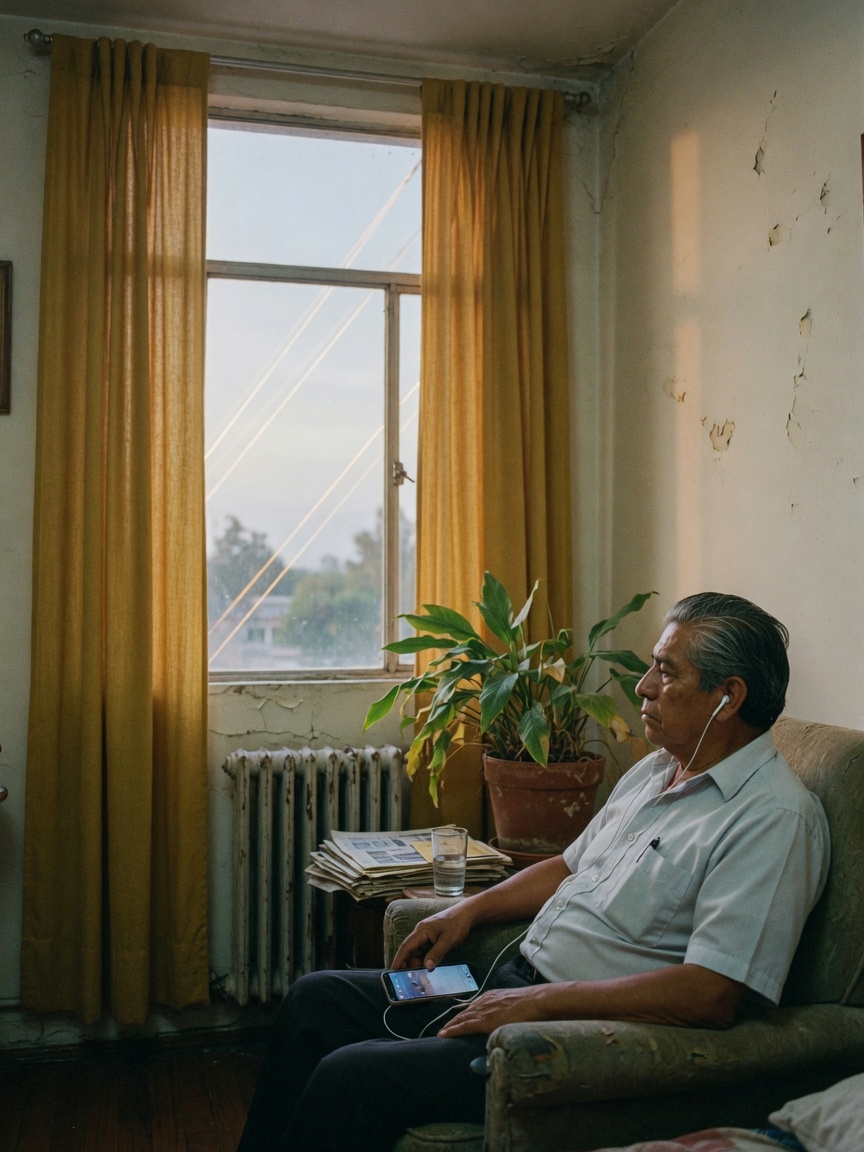
I remember the first time I realized how much things had changed. I was at a friend's apartment, laughing until my sides ached, and I caught myself thinking, "My parents would love this story." But then the thought faded, replaced by the realization that I probably wouldn't actually call them to share it. Not that night, anyway.
Kinnect is now LIVE! Start your private family group today.
👉 Try Kinnect on the Web
👉 Download the iOS App
Building Your World: Don't Lose Your Family Roots
It’s not that I loved them less. It’s just that life happened. I moved across the country for college, then again for a job. I built a whole new world, brick by brick, filled with people who became my chosen family — the friends who knew my daily rhythms, the ones I celebrated small wins and stood by me through tough losses. They became my everyday. But how do you stay connected with your family of origin when you've drifted apart, especially when building this new life?
And my family of origin, well, they became a different kind of important. The kind you hold close in your heart, but whose updates come in bursts, usually around holidays or major life events. The calls became less frequent, the inside jokes a little less immediate.
Battling the Worry: How to Keep Your Roots Strong
There’s a quiet ache sometimes, a worry that I’m losing bits of them, or that they’re losing bits of me. You want to maintain those roots, that history, but the sheer effort of it can feel overwhelming when you’re already pouring so much into your present relationships.
You see them, maybe on social media, living their lives. And you see your chosen family, right there beside you. How do you honor both? How do you keep those connections alive without feeling like you’re constantly splitting yourself in two?
Beyond Distance: When Relationships Naturally Shift
And it's not always about distance, either. Sometimes, it's just the natural evolution of things. You grow, they grow, and the shared experiences that once bound you together become fewer. What do you do when the common ground feels a little less solid than it used to?
Why Both Families Matter: Honoring Your Roots & Your Chosen
Because the truth is, both families matter. Your origin family shaped who you are. Your chosen family supports who you’re becoming. And the idea of having to pick one feels like a betrayal, even if it’s just in your own head.
Creating distinct spaces for different connections
It’s easy to feel guilty about the distance, about the less frequent calls, about the stories you don’t get to share in real-time. But guilt isn’t a good foundation for connection. What works better is intentionality.
We can't just 'make time' out of nowhere. We have to be intentional about what that time looks like, and where it lives. For my origin family, it started with small, consistent gestures. A text with a specific memory, a photo from a recent trip, not just a generic "how are you?" It’s about sharing pieces of your life, not just summaries.
And it's about finding a rhythm that works for everyone involved. Maybe it’s a weekly photo exchange, or a monthly video call that has a loose agenda – not just catching up, but perhaps sharing what you’re reading, or a small win from your week. The goal isn't to replicate the past, but to build new ways of being together, even when apart.
Sometimes, the challenge is simply having a place where these different circles of family can exist without overlapping. My parents don't need to see every detail of my daily life with my chosen family, and my chosen family probably isn't as interested in my great-aunt's gardening tips. Each relationship needs its own space, its own context, to truly thrive.
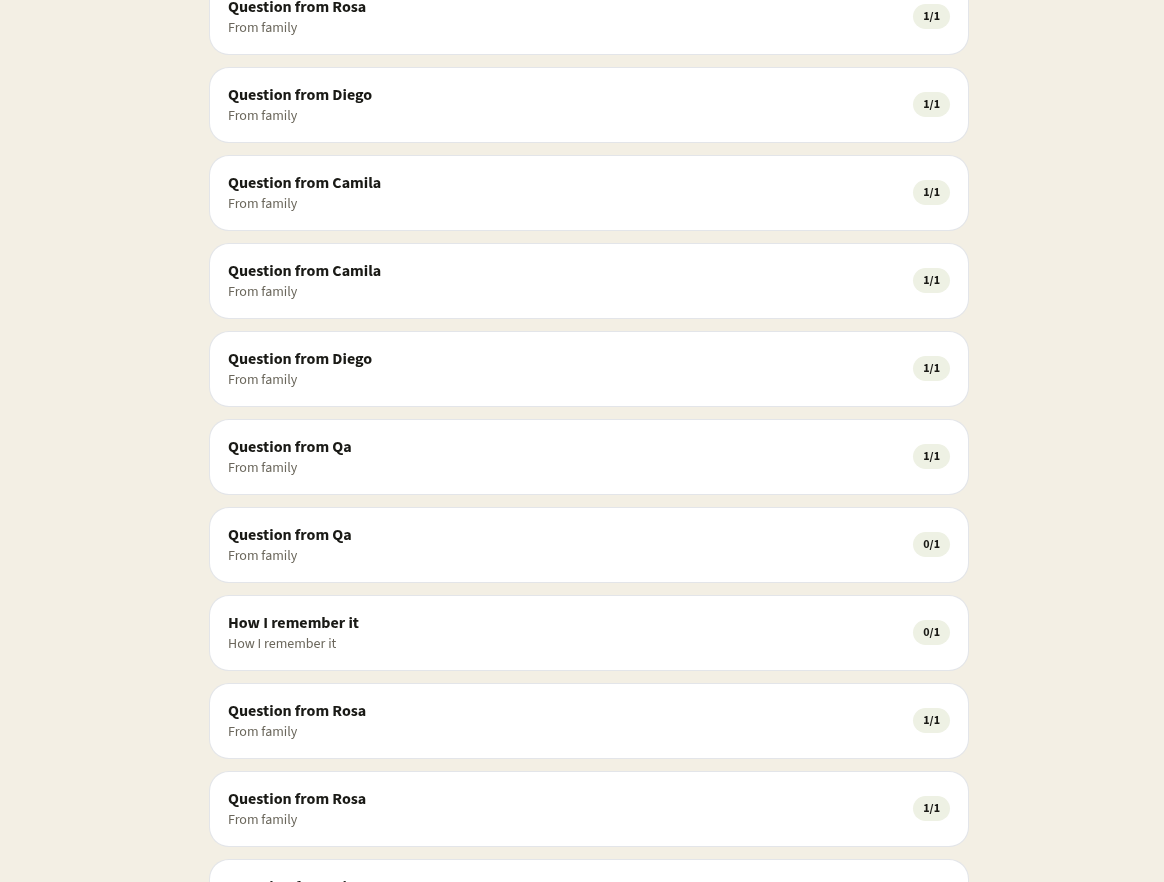
This is where a tool like Kinnect.club really comes into its own. It’s a private, invite-only platform that helps families preserve memories, stories, and essential life information across generations. The beauty of it is that you can create separate Kin Groups. You can have one private group for your parents and siblings, sharing those childhood memories and inside jokes, asking questions about family history, and building a record of your shared past.
And then you can have another completely separate group for your chosen family, the ones you navigate today's challenges with. It’s not social media, not a feed you scroll through. It’s infrastructure for legacy, for relational health, for family continuity. It’s designed to hold these distinct circles, letting each one breathe, ensuring that every story and connection has its own dedicated, permanent home.
Q: What’s the biggest challenge when connecting with family you’ve drifted from?
A: The biggest challenge is often overcoming the initial inertia and potential awkwardness. Life changes, and finding new shared rhythms and communication styles takes conscious effort from everyone involved. It's also hard to find a platform that feels appropriate for these specific, often sensitive, connections.
Q: Should I force conversations if they feel strained?
A: Forcing conversations can sometimes do more harm than good. Instead, try starting with low-pressure interactions, like sharing a photo with a short caption or asking a specific, open-ended question. The goal is gentle re-engagement, not an immediate deep dive.
Q: How do I manage expectations for renewed connection?
A: It's important to be realistic. The relationship might not return to exactly how it was, and that’s okay. Focus on building new patterns of connection that fit your current lives, celebrating any step forward, no matter how small. Open communication about expectations can also help.
Q: Can I really have both an origin and a chosen family?
A: Absolutely. Many people successfully nurture both their family of origin and their chosen family. The key is recognizing that each requires different approaches, boundaries, and dedicated spaces to thrive. You don't have to sacrifice one for the other.
Q: What if my family of origin doesn’t want to connect?
A: This can be truly painful. While you can extend invitations and create opportunities for connection, you cannot force someone else's engagement. Focus on the relationships where connection is reciprocated and respect their boundaries, even if it hurts.
Keep reading
Kinnect is now LIVE!
Experience the private family network on the web or download the iOS app today.