You probably feel like you're drowning in family apps right now. There's WhatsApp for the quick group chat, Facebook for sharing photos with everyone, maybe a separate app for video calls. But for all that 'connection,' do you ever feel like you're actually losing touch with what matters?
Kinnect is now LIVE! Start your private family group today.
👉 Try Kinnect on the Web
👉 Download the iOS App
Most of us use mainstream apps like Facebook or WhatsApp because they're convenient. This Kinnect vs Facebook family app comparison will explore why these platforms, despite their convenience, often fall short for family legacy. Everyone's already there, and they're free. But these platforms weren't designed with your family's unique, long-term story in mind. They're built for broad social interaction, not for preserving a private family legacy.
Think about a Facebook group for your family. It's great for sharing holiday photos or quick updates. But where do those posts go after a few days? They get buried under new content, lost in an endless scroll. Finding that funny story your cousin shared last year about Grandma's famous pie recipe becomes a real archaeological dig.
WhatsApp chats are even worse for keeping track of things. Conversations move fast, and important details or precious memories get pushed up and away. You can't easily search for a specific memory from years ago, or organize all the stories about one particular ancestor. It’s a stream, not an archive.
These platforms often have algorithms that decide what you see and when. You might miss important family updates because the algorithm thinks a viral video is more 'engaging.' And they're filled with ads, pulling your attention away from your loved ones and toward consumerism.
Privacy is another huge concern. While you can set Facebook groups to private, the underlying business model still relies on data collection. You're sharing deeply personal family moments on a platform that profits from knowing about you. Can you really trust that your family's most intimate memories are truly secure and won't be used in ways you didn't intend?
And what about the sheer noise? Notifications from a hundred different groups, friends, and pages can overwhelm you. It makes it harder to focus on the specific people and stories that really matter to your family. It's an information overload that actually makes you less connected, not more.
These apps serve a purpose for everyday communication and casual sharing, for sure. But when it comes to building a lasting record of your family's history, preserving their voices, and ensuring those stories aren't forgotten, they just don't cut it. They're ephemeral by design, which is the opposite of what family legacy needs.
A different kind of space for your family's story
So, what if there was a place built specifically for your family, without all the noise and distractions of general social media? A place where every story, every memory, and every piece of shared information actually gets saved and organized, not just consumed and forgotten?
Families need infrastructure for their legacy, not just another social feed. They need a system that prioritizes their history, their relationships, and their privacy above all else. It should be a dedicated space where the goal isn't fleeting engagement, but enduring connection across generations.
Imagine having a private family space where you control who's in it, and what gets shared. Where there are no public profiles, no algorithms deciding what you see, and definitely no ads trying to sell you something. Just your family, sharing what matters most.
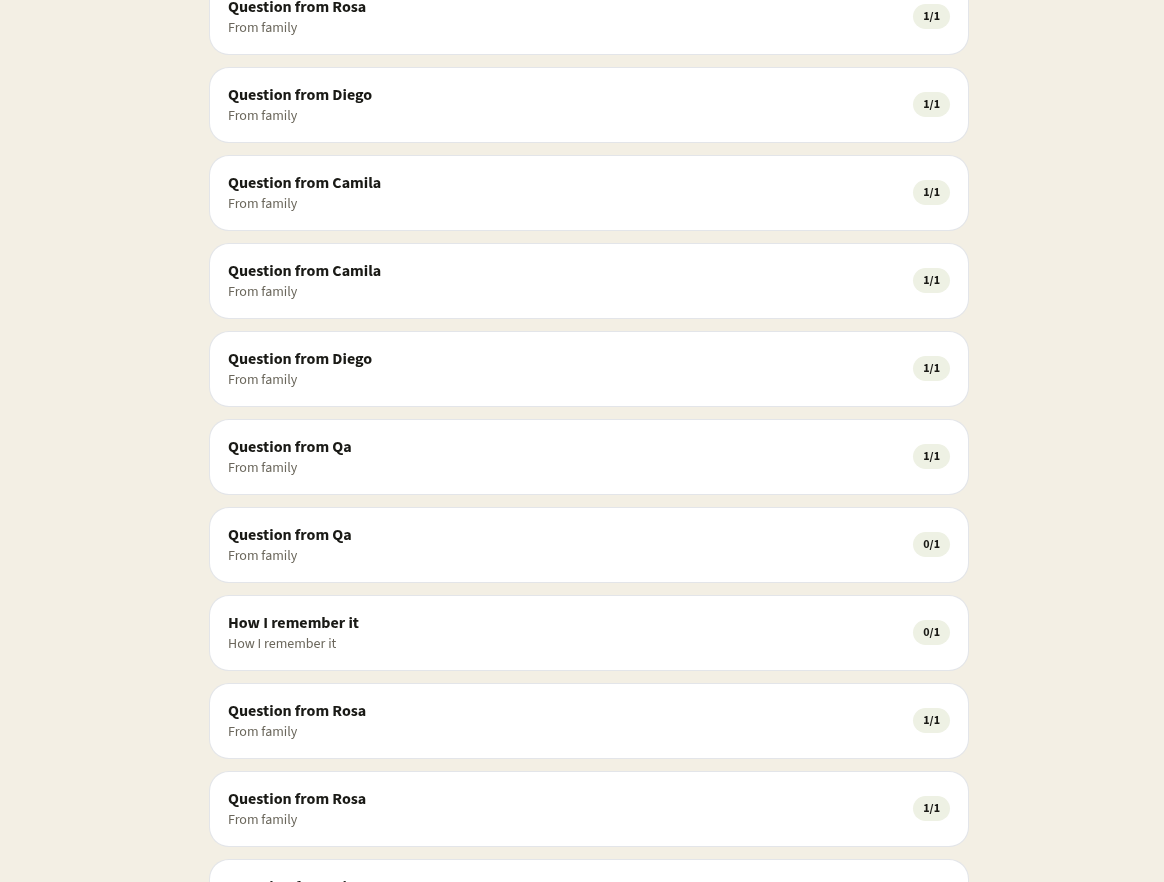
This kind of space lets you move beyond casual updates and into meaningful conversations. You can ask each other questions about family history, share old photos with their accompanying stories, and capture memories that might otherwise fade away. It's about intentionally building a collective family archive, piece by piece, day by day. You can even use tools to help you keep your family history organized in a way general apps simply can't handle.
That's why Kinnect is a private, invite-only platform that helps families preserve memories, stories, and essential life information across generations. It's not social media; it's infrastructure for your family's legacy. There's no algorithm, no ads, and no public profiles – just a private space for your family to save what matters before it's too late. It’s built for keeping, not for forgetting.
Q: How is Kinnect different from Facebook groups for families?
Kinnect isn't a social media platform. Unlike Facebook groups, it has no algorithm to filter content, no ads, and no public profiles. It's a private, invite-only space specifically designed to preserve and organize your family's memories and stories long-term, not just for temporary sharing.
Q: Can I use Kinnect for quick family chats like WhatsApp?
While Kinnect offers direct, private family communication, its primary purpose isn't quick, ephemeral chat like WhatsApp. It's built for intentional conversations and saving important information, ensuring every message and memory contributes to a permanent, searchable family archive.
Q: Is my family's data private on Kinnect?
Yes, privacy is a core principle for Kinnect. It's an invite-only platform with no public profiles, and your family's information is never shared with third parties for advertising or data mining. Your content stays within your private Kin Group, safeguarded from external access.
Q: Does Kinnect replace all other family communication apps?
Kinnect aims to be the central hub for your family's enduring stories and legacy. While it handles private communication, it might not fully replace every casual messaging app for all purposes. Its strength lies in preserving what matters, providing a dedicated space where memories and connections can truly last.
Keep reading
Kinnect is now LIVE!
Experience the private family network on the web or download the iOS app today.