Learning about your grandparents' history from your parents is a process of facilitating intergenerational storytelling to gather personal anecdotes, biographical details, and cultural context. This method prioritizes living memory and emotional connection over genealogical data, creating a rich, personal family narrative that raw facts alone cannot provide.
It often starts with a sudden, cold feeling. You’re talking with your mom, and you realize you don’t know her mother’s maiden name. Or you’re watching an old movie with your dad and it hits you that you have no idea what your grandfather did for a living, what his laugh sounded like, or what he was afraid of. This isn’t just about missing facts; it’s the profound ache of knowing a huge part of your own story—and your parents' story—is a blank page that could be lost forever.
Most guides on this topic will point you toward public archives and census records. That’s important work for building a family tree, but it’s like looking at a black-and-white photograph of a building. It gives you the structure, but not the life that was lived inside. The color, the warmth, the arguments in the kitchen, the songs they sang to your parents as babies—that truth, the real family narrative, lives inside the people you love.
Kinnect is now LIVE! Start your private family group today.
👉 Try Kinnect on the Web
👉 Download the iOS App
This isn’t about conducting an interrogation. It’s about creating an invitation. It’s finding a quiet moment, maybe over a cup of tea or while looking through a dusty photo album, and simply opening a door to the past. The goal isn't to extract data, but to share a moment of connection and witness the stories that shaped the person you love most.
A Practical Guide to Opening the Door to the Past
Start with an Object, Not a Question
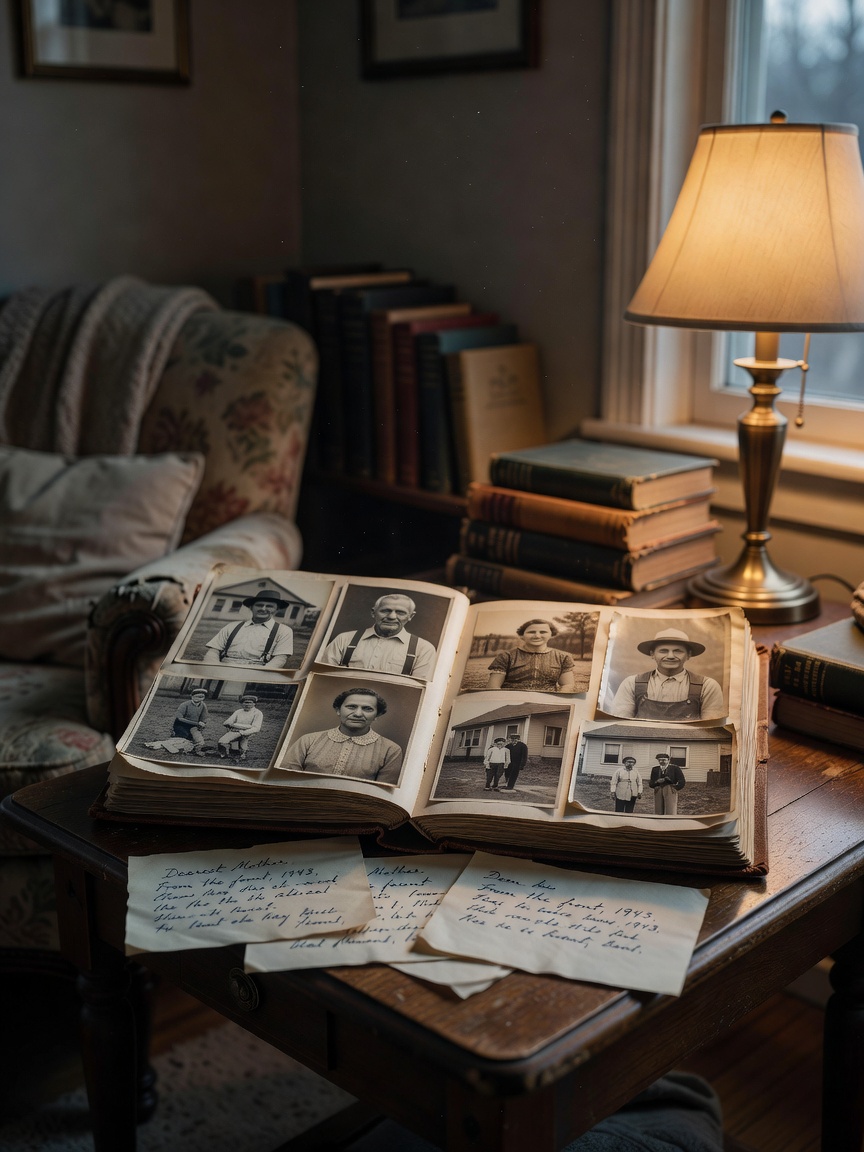
The most intimidating part is knowing how to begin. Don't start with a big, abstract question like, “Tell me about your childhood.” Instead, use a physical anchor to ground the conversation. Pull out an old photograph, a piece of jewelry, or a handwritten recipe card. Say something simple: “I found this photo of Grandma. She looks so happy here. What was happening that day?” An object makes the memory tangible and gives your parent a concrete place to start their story.
Frame It as a Gift to the Future
Explain why you’re asking. It’s not just for you; it's for everyone who comes next. You can say, “I really want my kids to know where they come from, and your memories of your parents are the most important part of that story.” This reframes the act of remembering from a chore into a profound act of legacy-building. You are honoring their memories as a precious gift. In families with regular storytelling traditions, children show 37% higher scores on family cohesion measures than in families with few shared stories. You're not just collecting names; you're strengthening your family's foundation.
The Hidden Variable: The Echo Effect
Conventional wisdom suggests you should schedule a big, formal interview to capture everything at once. But memory isn't a filing cabinet you can just open up. It's more like a garden. A question you ask today might not yield much, but it plants a seed. A week later, while your dad is doing the dishes, a forgotten story might suddenly bloom. The key to deep oral history is gentle, consistent curiosity, not a one-time data extraction. A small question today can echo into a priceless story tomorrow.
Capture the Sound, Not Just the Words
The details feel so vivid when you hear them, but they fade. As your parent is sharing, just ask, “Do you mind if I record this on my phone? I don’t want to forget a single word.” That voice memo is more than just a file; it’s the sound of your history. This is critical because of the known Legacy Preservation Gap: research shows 85% of adults wish they had recorded their parents' voices before they passed, yet a staggering 85% of adults wish they had recorded their parents' voices before they passed, yet only 12% have a system for doing so. That simple recording is one of the most powerful gifts you can give to your future self and your children.
But where do these precious recordings, photos, and handwritten notes live? Your camera roll is a chaotic mess, and family group texts are buried under memes and logistical noise. These fragments of your family's soul deserve a permanent, private, and sacred home.
Kinnect was built for this exact purpose. It's a dedicated, private space for your family, away from the data mining and public performance of traditional social media. It’s where you can save that voice recording of Dad talking about his mother's garden, upload the photo that sparked the memory, and share it only with the people who will cherish it most. It's not another app; it’s your family's living archive, safe for generations to come.
How do I ask my parents about my family history?
Start gently and indirectly. Use an old photo, a family heirloom, or a recipe as a conversation starter. Instead of a direct interview, say something like, “I was looking at this photo of Grandpa and it made me wonder, what was he like when you were a kid?”
What questions should I ask my parents about my grandparents?
Ask open-ended questions that invite stories, not just facts. Try questions like, “What is your favorite memory of your mom?” or “What’s something you learned from your dad that you still use today?” or “What was the biggest trouble you ever got into as a child, and how did they react?”
How do I find out about my grandparents' lives?
The richest source is talking to your living parents and relatives, as they hold the personal stories and emotional context. For factual data like dates and official names, you can use genealogy websites and public records, but always start with the living memory to capture the human story first.
Learn more at Kinnect.