To set up a shared family communication space everyone uses, you need more than just a place to chat; you need purpose and a low barrier to entry. We’ve all been there: you create a group chat or try a new app, hopeful this time everyone will join in, only to find a few enthusiastic replies and then… silence. It's frustrating when you're trying to foster connection, and only half the family shows up.
Kinnect is now LIVE! Start your private family group today.
👉 Try Kinnect on the Web
👉 Download the iOS App
Why Family Chats Fall Apart
A big reason these attempts fizzle out is a lack of clear purpose beyond general updates. We try to replicate social media, but families aren't always looking for a public feed or another endless stream of notifications. Some family members aren't chatty by nature. Others might not feel comfortable sharing personal stories in a space that feels too open or unmanaged.
The Problem with Quick Texts & Tech Gaps
Different generations also have different comfort levels with technology. While text messaging is the most common form of communication between parents and adult children, used by 72% of families according to the Pew Research Center in 2020, these texts are often for quick logistics, not for truly connecting over shared history or deep feelings. The informal nature of texting means important stories can get lost or simply never told.
Stop the Silence: Give Them a Reason to Connect
Without a specific, compelling reason to participate, a new family platform just becomes another app icon gathering dust. People are busy. They already manage countless emails, messages, and social feeds. They don't want more noise; they want genuine connection, but they need an easy way to give it. In fact, a 2023 Gallup Family Values Poll found that only 38% of adults say they are very satisfied with their family life, which suggests many of us are actively looking for better ways to connect.
The key to success isn't just picking an app, it's about framing the space in a way that feels valuable and accessible to every single person you invite.
Building a space where everyone truly participates
When you're trying to create a shared family communication space that genuinely works, think about the value proposition for each person. What specific, simple actions can they take? What stories or information are you trying to capture? Is it daily check-ins, sharing old photos, or building a family history?
The invitation itself matters deeply. Make it personal, explaining why their unique voice and stories are important to the family. Emphasize that this isn't another social network, but a private space just for your family. People are far more likely to engage when they feel personally valued and when the purpose is clear and meaningful. The Pew Research Center noted in 2021 that 79% of Americans say their relationship with their family is very important to their overall sense of happiness, so the desire for connection is definitely there.
You need a way to make participation easy and consistent. A simple prompt, a specific question, or a shared activity can be much more effective than an open-ended request to "share something." The goal is to lower the effort required to contribute, making it a regular, enjoyable habit rather than a chore.
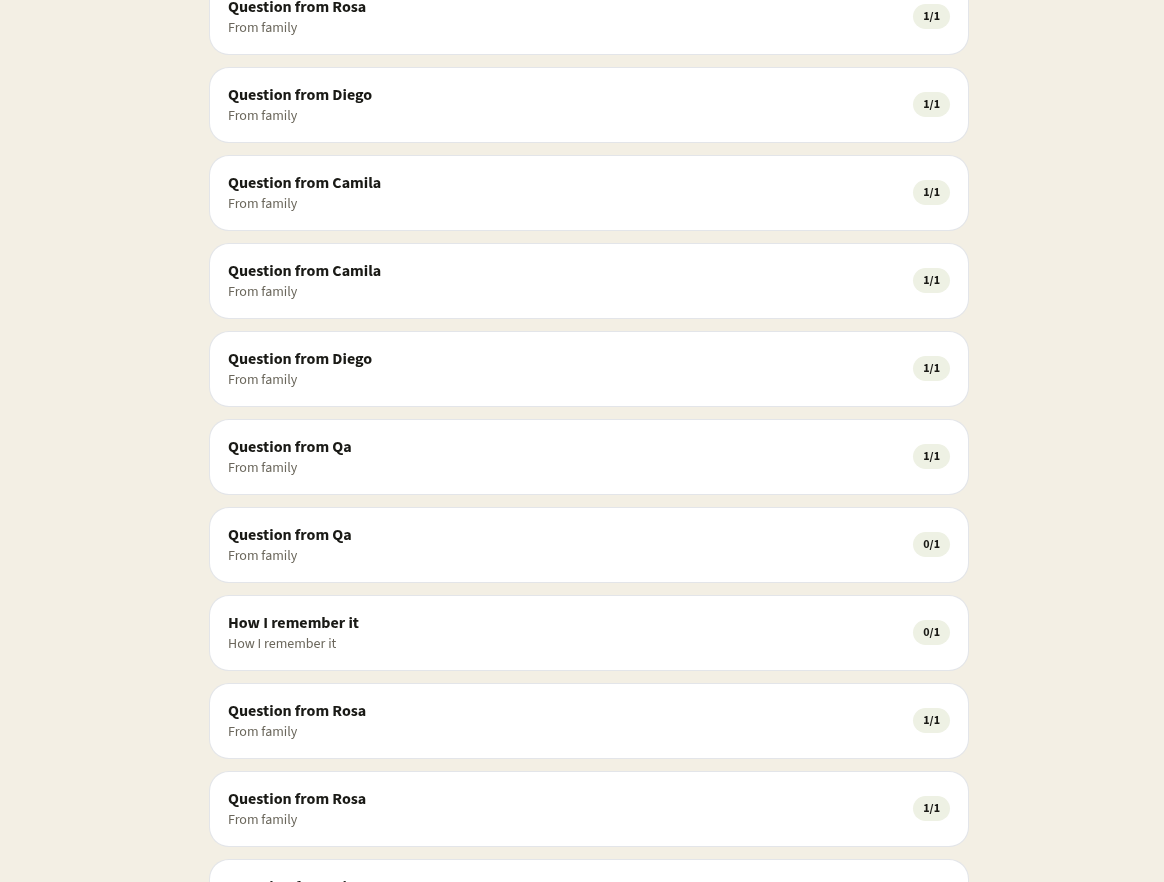
The hard part is managing those personal invitations and keeping everyone engaged with meaningful questions over time. Someone usually ends up being the "family admin," chasing replies and trying to organize everything. That's why a platform like Kinnect can make all the difference. It’s a private, invite-only platform that helps families preserve memories, stories, and essential life information across generations. With Kinnect, entry into a Kin Group is personal because you invite specific family members. And the daily Echo question gives everyone a simple, low-pressure way to respond, building a permanent, searchable archive of your family's real stories over time, not just a fleeting chat.
Q: What if some family members aren't very tech-savvy?
A: Kinnect is designed for simplicity. The daily questions are easy to answer, and the interface is clean and intuitive. Often, a brief phone call to walk them through it the very first time is all it takes to get them comfortable and participating.
Q: How do I get everyone to actually join and use it?
A: Frame it as an exclusive family project—a way to preserve your unique family legacy together. Emphasize that it's a private space, not social media, and focus on the lasting value of saving stories and memories for future generations. A personal invitation from you makes a big difference.
Q: What stops it from becoming just another ignored group chat?
A: Kinnect isn't a chat feed; it's a structured archive. The daily Echo prompts ensure a steady flow of meaningful content that builds over time, making it clear it's about lasting memories, not fleeting conversations. This intentional design encourages consistent, valuable engagement.
Q: How can we make sure the shared space lasts for years?
A: Consistency is key. The daily prompts help maintain momentum, but also make sure you—and other key family members—participate regularly. The more activity and shared stories, the more others will see its value and continue to contribute, turning it into a cherished family resource.
Keep reading
Kinnect is now LIVE!
Experience the private family network on the web or download the iOS app today.