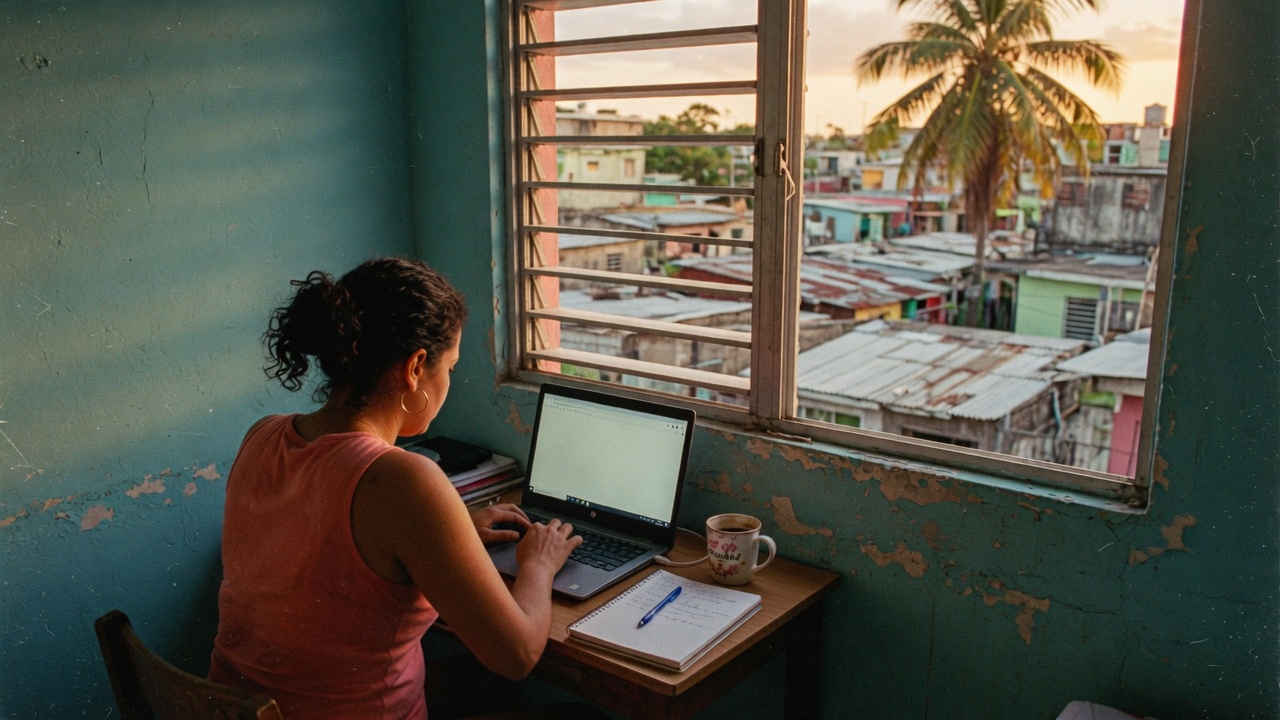
You want to map a chosen family tree, a visual representation that genuinely reflects the bonds you've forged, regardless of blood or legal ties. This means creating a structure that honors friendships, mentors, partners, and community members who have become family, ensuring their vital roles in your life are acknowledged and remembered.
Kinnect is now LIVE! Start your private family group today.
👉 Try Kinnect on the Web
👉 Download the iOS App
I remember my friend Sarah talking about this. Her 'family' was a rotating cast of incredible people who had shown up for her in ways her biological family never could. There was Maria, who gave her a couch to sleep on for months after a bad breakup. And David, who drove her to every chemo appointment, even though they'd only met a year before. When she tried to draw out her family, it always looked… empty. The traditional lines and boxes just didn't work for the people who actually made up her world. It felt like her most important relationships were being erased, or at least, rendered invisible.
It's a common feeling, this disconnect between the official record and the lived experience. Most of us have people in our lives who are family in every way that matters, except for the ones a genealogist would recognize. They're the people who show up, who listen, who celebrate your wins and mourn your losses. They might be the friend who knew you through your wild twenties, the old college roommate who still calls every Sunday, or the neighbor who watched your kids grow up. These relationships aren't just important; they're foundational.
And sometimes, for those of us with complicated biological families, chosen family isn't just a bonus; it's survival. It's the network of support that keeps you going, the people who understand you in a way no one else ever has. Yet, when you look for tools to document these connections, everything defaults to bloodlines. Every template, every software program, it all assumes a very specific kind of lineage. It makes you feel like your family, your real, vibrant, messy family, isn't valid enough to be recorded.
But the truth is, a strong sense of family identity, whether chosen or biological, profoundly impacts our well-being. According to a 2018 study published in the Journal of Family Issues, people who feel a strong sense of family identity report 36% higher overall life satisfaction. That sense of belonging, of being seen and understood within a relational context, is crucial. Why should that only apply to the family you're born into?
Sometimes the problem isn't just about recognition, it's about making sure these stories live on. What happens when Maria moves away, or David starts forgetting things? How do you ensure that the history of your chosen family, the shared jokes, the quiet acts of kindness, the milestones you celebrated together, don't just disappear into the ether?
And how do you pass these stories on? If you have children, how do they learn about the incredible individuals who shaped your life, who stood by you? Marshall Duke and Robyn Fivush's 2010 'Do You Know?' study at Emory University found that children who score in the top third on family story knowledge show up to 3x higher resilience and self-esteem scores on standardized measures than those with little knowledge of their family history. It’s not just about blood; it’s about narrative. It's about knowing where you come from, and who helped you get there.
Building a family tree that truly reflects your life
So, what does it look like to map a chosen family tree? It starts with letting go of the traditional idea of a tree altogether. Think less 'ancestor chart' and more 'constellation of connection.' You're not looking for direct lines of descent, but rather radiating circles of influence, support, and love.
Start by identifying the core people. Who are the non-blood relatives who have fundamentally shaped your life? Don't overthink it at first; just list them. Then, for each person, consider their relationship to you, and perhaps to other members of your chosen family. Is Maria your 'surrogate aunt'? Is David your 'brother by choice'? These labels aren't about legal definitions; they're about emotional truth.
You might use a visual tool that allows for freeform connections, not just parent-child links. Imagine a central node for yourself, and then branches extending out to each chosen family member, with a short description of their role or relationship. You could even include photos, stories, or specific memories tied to each person. This is about creating a living record, not just a static diagram.
One of the biggest hurdles is often how to keep this private and share it only with the people who understand it. Public platforms or even private social media groups can feel exposed or misunderstood when you're talking about relationships that defy convention. You want a space where these connections are sacred, where they aren't subject to outside judgment or algorithms.
The hard part is making sure these records last, and that everyone who matters can access them, or contribute their own stories. Without a dedicated place, these vital connections, and the rich history they represent, can fade. This is especially true for families spread across different cities, where casual updates aren't enough to build a lasting archive. Many people want a place to share family tree privately, especially when public options feel wrong.
Kinnect offers a private, invite-only platform that helps families preserve memories, stories, and essential life information across generations. It’s designed specifically to allow you to define every relationship in your family tree — no bloodline required. You can build your family tree in a way that truly reflects your life, including all your chosen family members, and then build a shared archive of stories, photos, and memories with them. Each person you invite, whether a mentor, a lifelong friend, or a partner, can be recognized for their unique and essential place in your world. It’s infrastructure for legacy, for relational health, and for family continuity, ensuring that every bond that matters is seen, valued, and remembered.
Frequently Asked Questions about chosen family trees
Q: What if my chosen family members don't understand the concept of a 'tree'?
A: The 'tree' is just a metaphor. Focus on what it represents: a space to acknowledge and celebrate your relationships. You can explain it as a private collection of memories and stories about the people who mean the most to you, regardless of how you're related.
Q: How do I decide who is 'chosen family' and who is just a close friend?
A: There's no strict rule. Chosen family usually refers to people who provide the same kind of deep emotional support, commitment, and sense of belonging that traditional family might. It's about the depth and duration of the connection, and how integral they are to your life.
Q: Is it awkward to ask someone to be part of my 'chosen family tree'?
A: It doesn't have to be. Frame it as wanting to honor your shared history and the unique bond you have. You could say, "You mean so much to me, and I want a way to document our story together." Most people are touched to be recognized in such a meaningful way.
Q: What if some of my biological family members are offended?
A: This space is for you and your chosen family. It's a private reflection of your most important relationships. You don't need to announce it to everyone, and you certainly don't need their approval. This is about affirming your reality, not replacing anyone.
Keep reading
Kinnect is now LIVE!
Experience the private family network on the web or download the iOS app today.

