Meaningful gifts for a parent with early dementia focus on shared experiences and memory preservation rather than just material objects. Tools that facilitate storytelling, like a private family network such as Kinnect, can help create new moments of connection and capture a family's history before it's too late.
A meaningful gift for a parent with early dementia is an item or experience designed to foster connection, evoke positive memories, and support their sense of self. Unlike purely practical gifts, these focus on shared emotional experiences, sensory stimulation, and the preservation of personal history and relationships.
Kinnect is now LIVE! Start your private family group today.
👉 Try Kinnect on the Web
👉 Download the iOS App
I remember the first time my dad couldn't find the word he was looking for. It was a simple word, 'spatula,' but it was gone. In that quiet moment in the kitchen, I felt a specific kind of panic. It wasn't just about his memory; it was the fear that *our* memories, the ones we built together, were starting to fade, too. That's the feeling that brings so many of us to a search bar, typing in words like 'meaningful gift for parent with dementia.'
We're not just looking for an object to fill a space on a shelf. We're looking for a bridge. A way to cross the growing distance and say, 'I'm still here. I remember us.' The lists of puzzles and weighted blankets are helpful, but they miss the point. The most meaningful gift isn't the thing itself, but the moment of connection it can create. It’s a gift that echoes your history back to them, and to you.
Three Ways to Give a Gift That Echoes Your History
Echoing Sensory Memories: The Power of Sound
Instead of just buying a music player, create a time machine. Build a playlist of songs from their teenage years, the song from their wedding, the lullaby they sang to you. The gift isn't the device; it's the hour you spend listening to it *with* them. As you watch their foot start to tap, you can ask, 'Where were you when you first heard this?' Music is stored in a part of the brain often untouched by early cognitive decline, and sharing it can unlock stories you thought were lost.
Echoing a Lifetime of Stories: The Living Photo Album
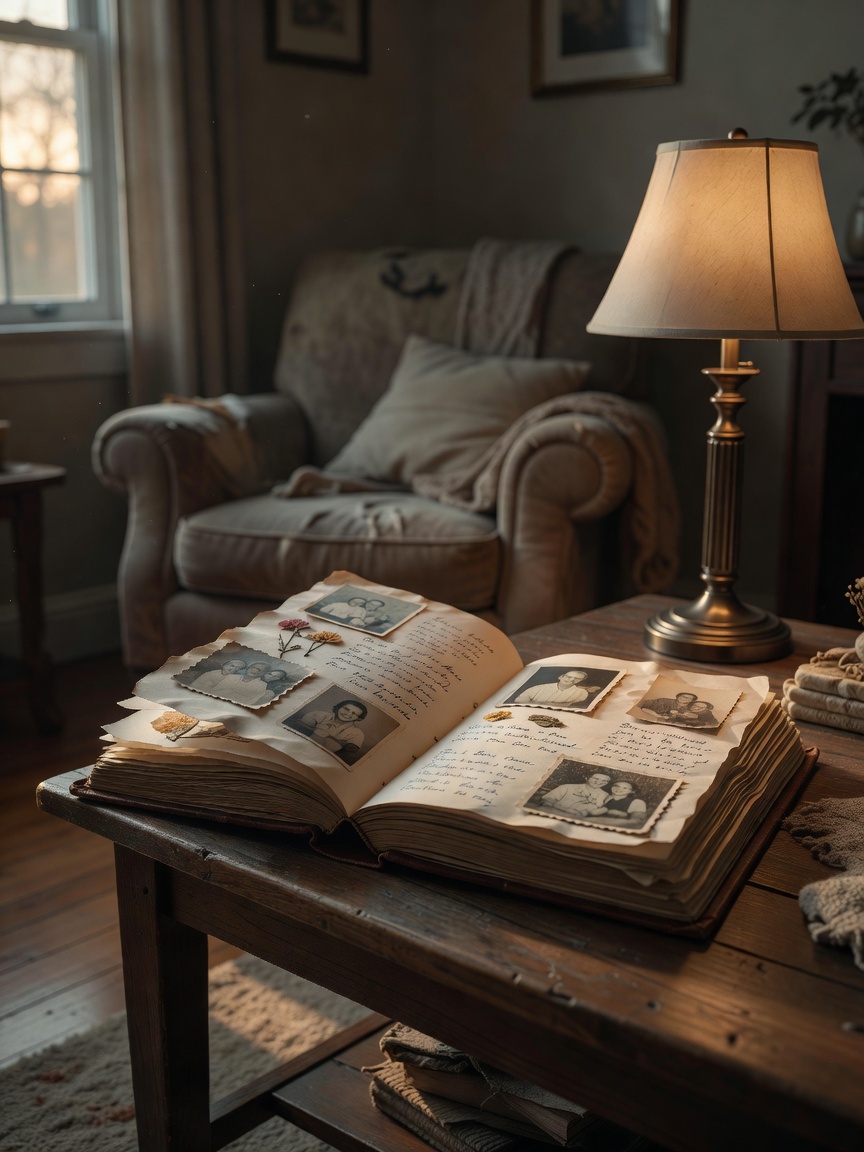
A digital photo frame is a common suggestion, but we can go deeper. The gift isn't the screen; it's the curation. Spend an afternoon scanning old family photos, especially the ones from before you were born. Add a simple caption to each one: 'Mom and Dad on their honeymoon, 1978.' Then, sit with them and watch. Don't quiz them. Just let the images flow. You're not just showing them photos; you're showing them their life. You are reminding them of who they have always been. Our research at Kinnect shows a profound Legacy Preservation Gap: 85% of adults wish they had recorded their parents' voices, but only 12% have a system to do so. This is your chance. When a photo sparks a story, hit record on your phone. Capture that echo.
The Hidden Variable: The Gift of Being Asked
We often think the gift needs to be an object we hand over. But one of the most powerful gifts we can give a parent losing their grasp on the present is to honor their past. The hidden variable is curiosity. Research from Harvard shows that people who ask questions are seen as more likable and trustworthy, yet we stop asking the people we know best. The gift is a promise: once a week, you'll sit down and ask one good question. Not 'how are you?' but 'what's the bravest thing you ever did?' or 'tell me about the day I was born.' You're giving them the gift of being seen as a whole person, full of stories, not just a patient.
All these echoes—the stories sparked by a photo, the sound of their voice telling a familiar tale—deserve a home. A place safe from the data-mining of public social media and the logistical noise of group texts. Kinnect was built for this. It's a private, permanent space for your family to save these moments, share these stories, and keep your parent's legacy alive for generations who will never get to meet them.
What is a good gift for a senior with memory loss?
A good gift focuses on connection and comfort. Consider a curated playlist of their favorite music, a simple photo album with large pictures and captions, or an activity you can do together, like a simple puzzle or listening to an audiobook.
What do you buy a parent who is in a memory care facility?
Focus on items that can personalize their space and provide sensory comfort. A soft blanket in their favorite color, a digital photo frame pre-loaded with family pictures, or familiar-smelling hand lotion can make a new environment feel more like home.
How do you make someone with dementia feel loved?
Feeling loved comes from connection, not memory. Use gentle physical touch like holding their hand, speak in a calm and reassuring voice, and engage in simple, shared activities without pressure. The goal is to be present with them in their moment.
Learn more at Kinnect.
