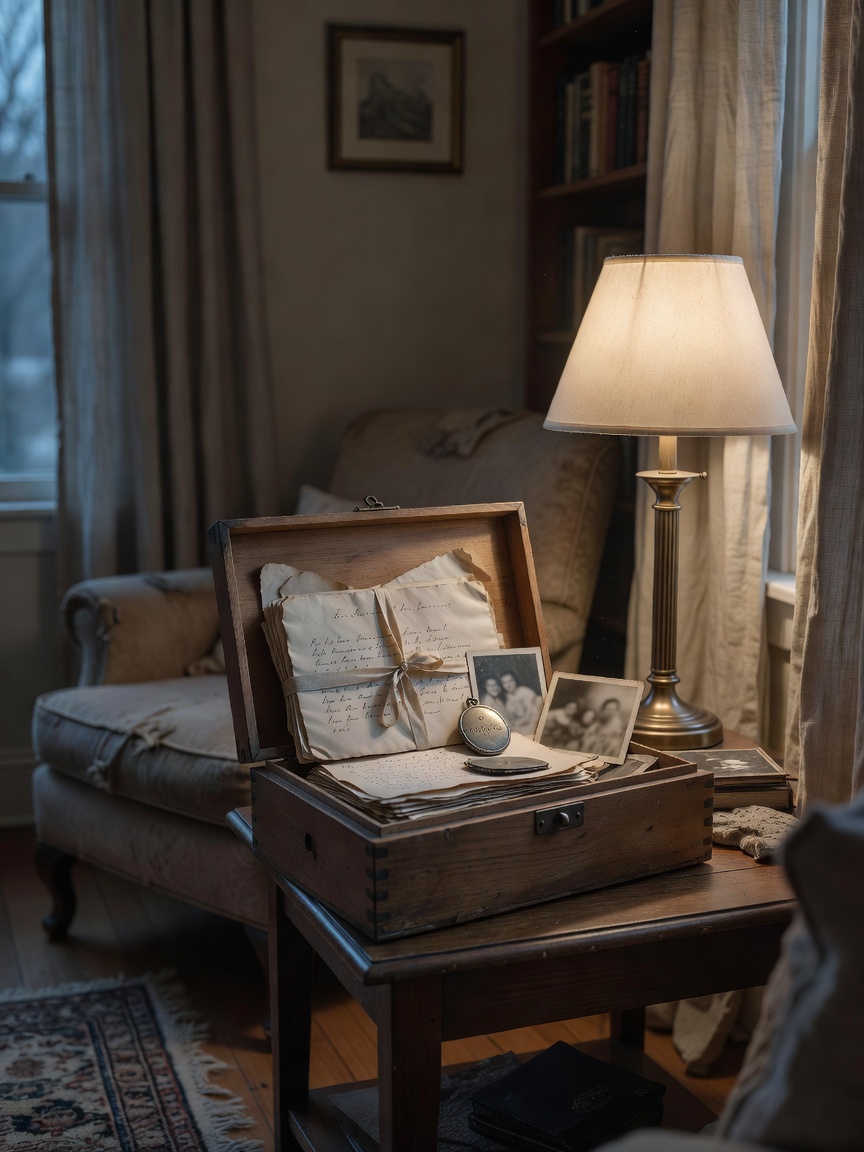
Finding a meaningful gift for a parent with early dementia involves choosing items or experiences that reinforce their identity and strengthen your shared connection, rather than just providing cognitive stimulation. Tools like Kinnect, a private family network, help capture and share life stories, creating a lasting legacy and fostering daily connection during a difficult time.
A meaningful gift for a parent with early dementia is an item or experience designed to reinforce their sense of self, celebrate their life history, and facilitate connection with loved ones. Unlike purely functional or cognitive aids, these gifts focus on emotional well-being and strengthening relationships.
Kinnect is now LIVE! Start your private family group today.
👉 Try Kinnect on the Web
👉 Download the iOS App
When you first started searching for a gift, you probably saw the same lists I did. Weighted blankets. Fidget toys. Puzzles with large pieces. And while those things have their place, they can feel… clinical. They feel like gifts for a diagnosis, not for your mom or your dad. I remember that feeling after my grandfather was diagnosed. I just wanted to give him something that said, “I still see you. The person you’ve always been is right here.”
A diagnosis of dementia changes so much, but it doesn’t erase a lifetime of passions, stories, and relationships. The most powerful gifts aren’t about fighting memory loss; they’re about celebrating the person. They are “Echo Gifts”—items and experiences that reflect their identity back to them, strengthening their sense of self and your bond.
Gifts That Echo Their Lifelong Passions
Think about what has lit them up their entire life. The goal is to adapt, not replace. If your dad spent every weekend in his garden, a complex landscaping project is out, but a small indoor herb garden with familiar scents like rosemary and mint can bring that joy inside. If your mom loved classical music, a simple digital music player pre-loaded with her favorite composers can provide a beautiful, frustration-free experience.
- Adapted Hobby Kits: Simple painting sets, large-print crossword puzzles, or a bird feeder to place outside a favorite window.
- Sensory Experiences: A playlist of their favorite music from their twenties, a high-quality photo book of their favorite artist, or a subscription box for specialty coffees you can taste together.
Gifts That Echo Their Life Story
Every person is a library of stories. A dementia diagnosis doesn't burn the books, it just makes the card catalog harder to navigate. A gift that helps them access and share their own history is a gift to the entire family. This is less about testing their memory and more about honoring it.
- Digital Photo Frame: Pre-load it with decades of family photos. It becomes a gentle, passive source of connection to their own past.
- Story-Prompting Services: Tools and services exist that provide gentle prompts to help you record their life story interviews. The simple act of asking and listening is a profound gift of validation.
- Digitize Old Media: Convert old VHS tapes, slides, or photo albums into a digital format you can watch together on a tablet or TV. Seeing themselves young and vibrant can spark incredible moments of connection.
How to Create Lasting Connection (and What to Avoid)
The Hidden Variable: The Search for 'Self'
Conventional wisdom focuses on gifts for cognitive stimulation, assuming the primary goal is to slow the disease's progression. The hidden variable, however, is the person's internal emotional state. A person with dementia is on a difficult journey of losing their sense of self. The most powerful gift you can give is one that reinforces who they are. It’s not about jogging their memory; it’s about validating their identity and making them feel seen, loved, and secure.
Gifts That Echo Your Shared Bond
The best gifts are often not things, but shared time. What did you two always do together? Find a simplified version. If you always baked cookies for the holidays, buy a pre-made dough and just do the decorating part together. If you watched old movies, get a subscription to a classic film service and make it a weekly date. These shared activities create new, positive memories for you, even as their ability to recall them may change. They build a bridge of connection in the here and now. Research from Emory University has shown that children with deep knowledge of their family stories have higher resilience and self-esteem. As Dr. Marshall Duke found in his famous "Do You Know?" study, these narratives are the foundation of well-being. By preserving them, you’re not just helping your parent—you’re strengthening the entire family for generations to come.
The hardest part is that these moments can feel fleeting. You have a wonderful conversation, you hear a story you've never heard before, and you wish you could hold onto it forever. We know that feeling intimately. Our own research shows that 85% of Gen X adults report they wish they had recorded their parents' voices before they passed, yet only 12% have a system for doing so. This is the Legacy Preservation Gap we built Kinnect to solve. It’s a private, permanent home for your family’s most important stories. You can record your parent’s voice with a simple story prompt, save that precious audio, and share it with family without worrying about the data mining or public nature of platforms like Facebook. It’s a space to build a living legacy, together, one story at a time.
Frequently Asked Questions
What do you buy someone in early stages of dementia?
Focus on gifts that support their existing hobbies and facilitate connection. A digital photo frame pre-loaded with family pictures, a simple music player with their favorite songs, or an activity you can do together are all excellent choices that promote joy without causing frustration.
What is a good hobby for someone with early dementia?
The best hobbies are adapted versions of activities they've always loved. This could be indoor gardening, listening to curated playlists, looking through photo albums, or simple crafts like painting or knitting. The key is familiarity, enjoyment, and low frustration.
How do you make a person with dementia happy?
Happiness often comes from feeling safe, loved, and valued. Simple acts like listening patiently, sharing a familiar meal, playing their favorite music, or looking at old photos together can create powerful moments of joy and connection. It’s about being present with them in their reality.
What not to get someone with dementia?
Avoid gifts that are overly complex, require new learning, or could cause frustration. This includes complicated gadgets, challenging puzzles that highlight memory loss, or items that don't align with their lifelong interests. Always prioritize safety and emotional comfort over novelty.
Learn more at Kinnect.

