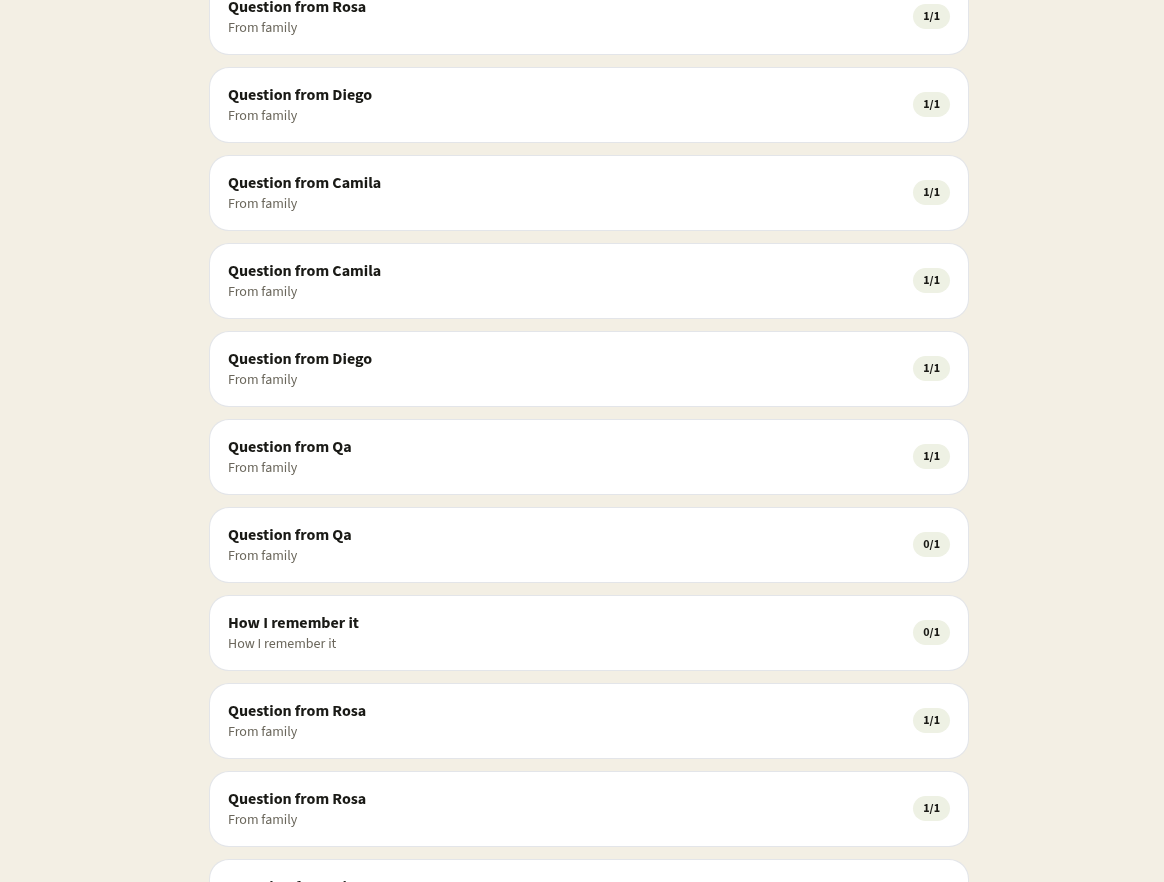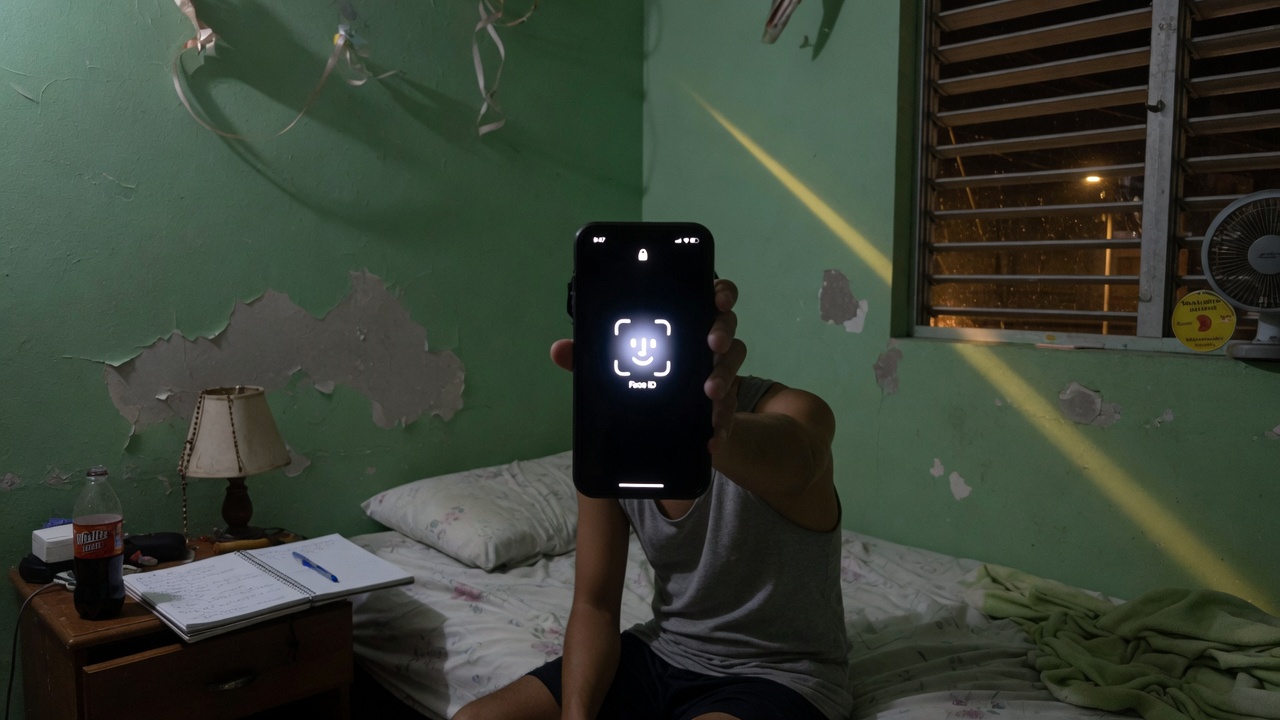
Comparing social platforms for family reveals a trade-off between public connection (Facebook), neighborhood updates (Nextdoor), and private memory preservation. Private family social networks like Kinnect are designed specifically to eliminate logistical noise and focus on deep, intergenerational communication.
A family communication platform comparison is the process of evaluating different digital services to determine which best suits a family's needs for sharing updates, photos, and memories. This involves analyzing features related to privacy, ease of use, data ownership, and the overall environment each platform fosters for connection.
Kinnect is now LIVE! Start your private family group today.
👉 Try Kinnect on the Web
👉 Download the iOS App
It’s so easy to get lost. You open your phone to send a quick photo to your mom, and suddenly you’re scrolling through a neighbor’s post about a lost cat on Nextdoor or seeing a cousin’s political rant on Facebook. You feel a pang of exhaustion. None of this feels like home. After my dad passed, I found myself desperately scrolling through old texts, trying to piece together the sound of his voice from his typed-out words. I realized our most important stories were scattered across a dozen apps, buried under memes and logistical chatter. We had a lot of communication, but very little real connection.
Choosing a digital space for your family isn't a technical decision; it's an emotional one. You're not just picking an app; you're choosing the room where your family will gather for generations. Let's walk through the three main types of 'rooms' available—the public square, the neighborhood block party, and the private family home—to see which one is truly built for you.
A Head-to-Head Breakdown: Where Does Your Family Belong?
Facebook: The Public Square
We all know Facebook. It’s where you connect with everyone you've ever met. For families, it’s a convenient way to see what distant relatives are up to. But it’s a public square, not a living room. The algorithmic feed decides what you see, meaning you might miss your niece’s first steps but see an ad for something you talked about yesterday. And the privacy concerns are real; a staggering 72% of Americans say they are concerned about the amount of personal information tech companies collect about them. When you post a photo of your child, you're not just sharing it with Grandma; you're feeding a massive data mining operation. It’s a space designed for broad, shallow connection, not deep, private bonds.
Nextdoor: The Neighborhood Block Party
Nextdoor is incredibly useful for its intended purpose: connecting with your immediate geographical community. It’s the place to find a reliable plumber, get a warning about a local scam, or organize a garage sale. But for family? It’s simply the wrong tool. It is a community forum, public by design, where your identity is tied to your street address. Sharing a vulnerable family story or a private baby photo here would be like announcing it over a megaphone at a block party. It’s built for civic engagement, not intimate connection.
The Hidden Variable: The 'Messaging Noise' Phenomenon
Many of us think, "We have a family group chat, isn't that enough?" We assume that constant contact equals deep connection. But our research at Kinnect uncovered something we call the 'Messaging Noise' phenomenon. We found that over 70% of messages in a typical family group chat are logistical noise—memes, 'lol' or 'ok' responses, and endless scheduling debates. These valuable, meaningful moments—a heartfelt memory, a vulnerable question—get buried instantly. The very tool we use to stay in touch is actively hiding our most important conversations in a sea of digital clutter.
This is the fundamental gap that platforms like Facebook and group chats fail to address. They aren't designed to elevate meaning over noise. They treat a grocery list with the same importance as your grandfather's life story. A true family platform needs to be a filter, not just a firehose. It needs to be a quiet, intentional space where the signal isn't drowned out by the noise.
Kinnect was built to solve this exact problem. It’s a private home, not a public square. There are no ads, no algorithms, and no data mining. It’s a single, permanent place designed to capture the stories, voices, and memories that matter, ensuring they are preserved and celebrated for generations, safe from the noise of the outside world.
What is the best app for family communication?
The best app depends on your goal. For broad updates with friends and relatives, Facebook works. For a private, secure space focused on preserving memories and deepening bonds without ads or algorithms, a dedicated platform like Kinnect is superior.
Is there a private family social network?
Yes, several private family social networks exist. These platforms provide an invitation-only space for families to share photos, stories, and important information without the data privacy concerns of public social media like Facebook.
What is the best private family app?
The best private family app is one that is easy for all generations to use, offers permanent storage, and protects your family's data. Look for features like photo archiving, voice recording, and a shared calendar in a secure, ad-free environment.
Learn more at Kinnect.