Organizing family history effectively means shifting from a solo research project to a collaborative, living archive. This involves using a central, private platform like Kinnect to crowdsource stories, photos, and voice notes from all relatives, creating a permanent and accessible story for future generations.
Kinnect is now LIVE! Start your private family group today.
👉 Try Kinnect on the Web
👉 Download the iOS App
Organizing family history is the process of creating a central, shareable system for your family's stories, photos, and documents. Instead of a static binder of old records, a modern approach builds a living archive—a collaborative space where living relatives can add their memories, ensuring the family story grows and evolves for future generations.
I once inherited a shoebox of photos from my grandmother. Faces I vaguely recognized, moments frozen in time, but the stories behind their smiles were gone because no one had written them down. That silence is a specific kind of heartbreak. We treat family history like an archaeological dig, a project for one person to piece together the past. But what if we treated it like a living garden, something we all tend to together, right now?
The goal isn't just to create a chart of names and dates. It's to capture the texture of a life—the sound of your dad's laugh, the recipe for your aunt's famous pie, the story of how your grandparents met. This isn't just sentimental; it's foundational. A groundbreaking study from Emory University found that children who know their family stories show up to 3x higher resilience and self-esteem. Knowing you're part of a larger story makes you stronger. The 'organization' part isn't about folders and labels; it's about creating a home for these stories where they can be shared and built upon, a place that feels safe, permanent, and alive.
5 Steps to Create Your Family's Living Archive
Shifting from a solo project to a family collaboration can feel daunting. Where do you even begin? Here is a simple framework to stop just archiving the past and start capturing the present for the future.
- Choose a Central, Private Home. Your family's story doesn't belong on a public social media platform, and a spreadsheet on your computer can't be accessed by your cousins. You need one private, secure place that everyone can easily contribute to. This becomes the official 'source of truth' for your family's memories, a digital hearth everyone can gather around.
- Start with the Voices You Have Now. Before you dive into 19th-century census records, record the voices of your parents and grandparents. Our research shows a painful 'Legacy Preservation Gap': 85% of adults wish they had recorded their parents' voices before they passed, but almost no one has a system to do it. Use your phone. Ask them about their first car, their favorite song, a time they felt truly happy. These audio clips are treasures more valuable than any document.
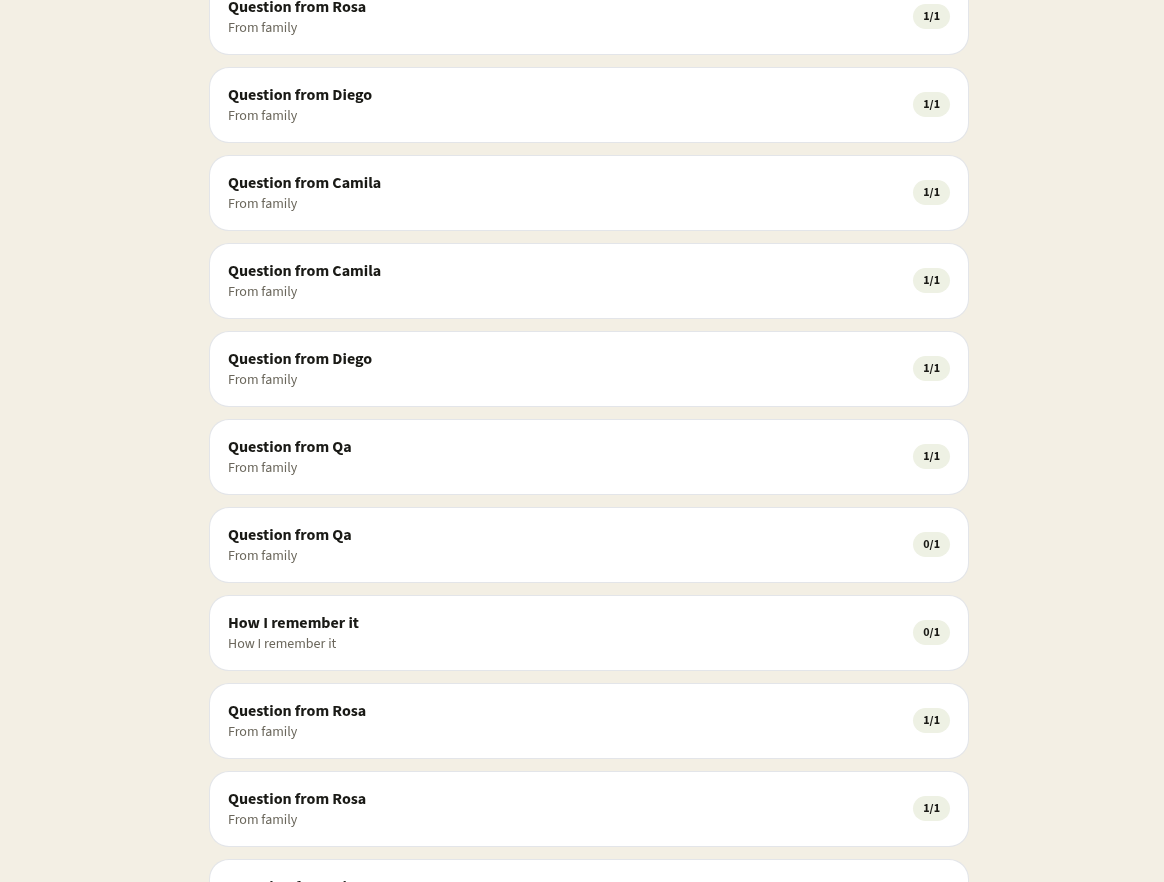
- Launch a 'Memory Mission'. Don't just ask people for 'everything.' Send out a specific, fun prompt to the family. For example: "This week's mission: Share one photo from a family vacation and the story behind it." Or, "What's the best piece of advice Grandma ever gave you?" Giving people a specific starting point makes it feel easy and engaging, turning a chore into a shared activity.
- Organize by Story, Not Just by Date. While chronology is useful, human memory is emotional. Create collections around themes. You could have a 'collection' for 'Family Recipes,' 'Holiday Traditions,' or 'Stories about Grandpa Joe.' This allows family members to browse memories in a way that feels natural and sparks their own recollections.
- Establish a Digital 'Keeper of the Flame'. Who will manage this archive in 20 years? Designate one or two younger family members as co-admins. Show them how it works and explain why it matters. This act of succession ensures that the garden you've planted will be tended to by the next generation, making your family's story truly permanent.
Building a living archive isn't about finishing a project; it's about starting a tradition. It's about creating a space where your family's story can breathe and grow. Kinnect was built for this very purpose—to be the private, permanent home for your family's most important memories. You can record your dad's stories, save your mom's recipes, and finally get all those precious photos in one place where they belong, surrounded by the context of the family who loves them.
Kinnect is now LIVE. Start building your family's forever home today.
Learn more about Kinnect or Download on the App Store.
What is the best way to organize genealogy files?
The best way is to create a unified digital system accessible to the whole family, not just one person. Use a central platform to store scans of documents, photos, and audio recordings of stories, tagging each item with the relevant names, dates, and places. This moves beyond a personal filing system into a collaborative family archive.
How do you create a family history file?
Start by gathering what you have: photos, documents, and letters. Then, choose a central digital home for everything. Instead of just scanning documents, invite family members to add their own memories and stories related to the items, turning a simple file into a rich, collaborative story.
What is the best program to organize a family tree?
The best program is one that focuses on collaboration and storytelling, not just data and charts. Look for a private, secure platform where multiple family members can contribute photos, write stories, and record voice notes directly connected to family members' profiles, creating a living tree rather than a static diagram.