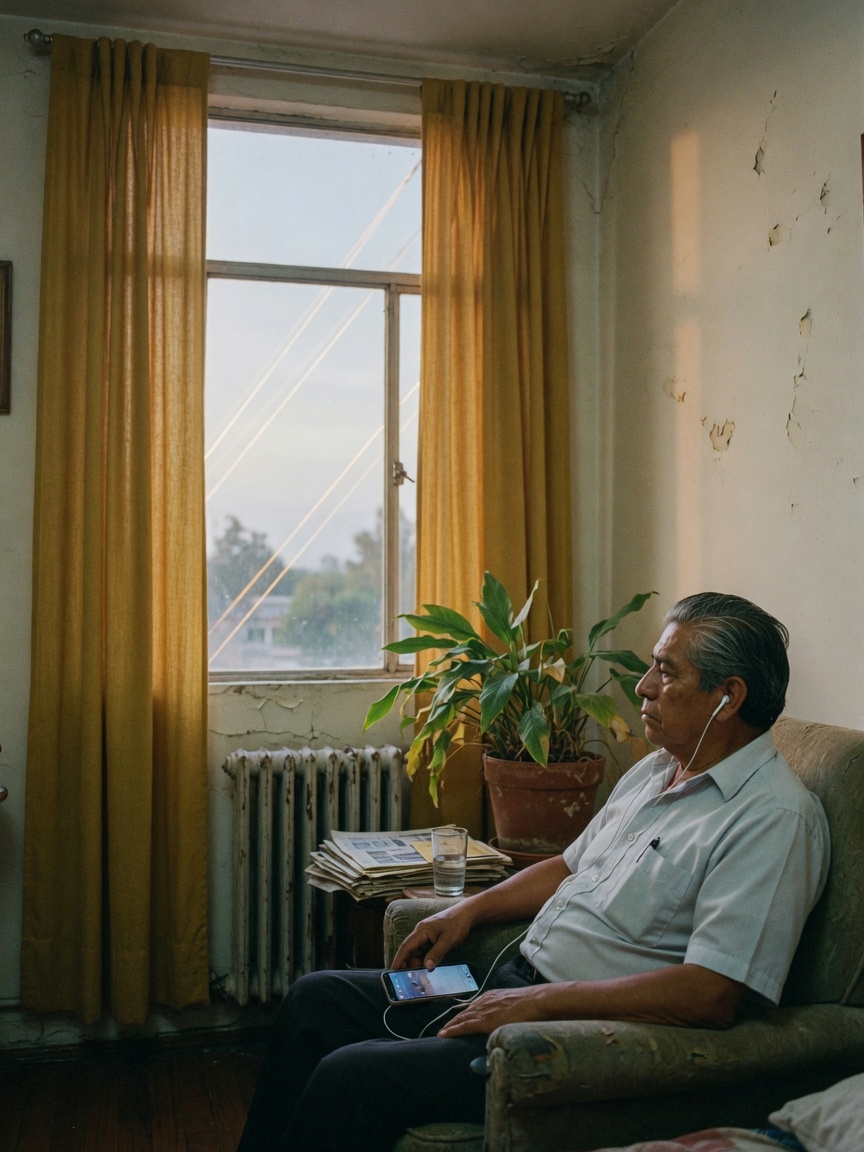
Preserving family oral history involves more than just recording; it requires creating a safe emotional space to navigate sensitive topics and conflicting memories. A private family network like Kinnect provides a secure, permanent home for these voice recordings and stories, ensuring they strengthen family bonds for generations.
Bottom Line: Preserving family oral history is an emotional act of connection, not just a technical task. It requires creating a safe space for storytelling, navigating sensitive memories with empathy, and focusing on the relationship behind the recording to truly capture and honor your family’s legacy for future generations.
Preserving family oral history is the act of intentionally recording the spoken memories, stories, and experiences of family members to create a lasting legacy. It goes beyond simple recording, involving empathetic listening, navigating complex emotional dynamics, and creating a safe space where authentic stories can be shared and saved for the future. I remember sitting with my grandfather, his voice raspy, trying to capture the story of how he met my grandmother one last time. I was so focused on the microphone and the questions that I almost missed the real story in his eyes. The regret of not just sitting with him, of not just listening, is what drives this work. You feel that duty, that pull to be the keeper of the flame, because you know these stories are the threads that stitch you together. It’s a sacred task, and it’s about connection first, technology second.
Kinnect is now LIVE! Start your private family group today.
👉 Try Kinnect on the Web
👉 Download the iOS App
Most guides will give you a checklist: get a good microphone, prepare your questions, find a quiet room. And that’s all important. But they miss the entire point. They don’t prepare you for the moment your tough-as-nails uncle tears up talking about his childhood dog, or when two siblings give completely different accounts of the same holiday. They don’t tell you how to hold that space, how to honor the memory that’s being shared, even when it’s messy or painful. The real work isn't in the recording; it's in the receiving. Our internal research shows a staggering Legacy Preservation Gap: 85% of Gen X adults report they wish they had recorded their parents' voices before they passed, yet only 12% have a system for doing so. This isn't a technology problem; it's a human one. We haven't been taught how to have these conversations.
5 Ways to Create an Emotional Safe Space for Storytelling
The goal is not to conduct an interrogation; it's to have a conversation that feels like coming home. You want to capture the person, not just the facts. When you create a space of trust and warmth, the stories that emerge are deeper, truer, and more meaningful than anything a checklist of questions could ever extract.
- Frame It as a Conversation, Not an Interview. The word "interview" comes with pressure and performance. Instead, say, “I’d just love to hear more about…” or “I was thinking about the old house the other day, and I’d love to just sit and listen to some of your memories of it.” Make it a shared experience over a cup of tea, not a formal deposition.
- Start with Your Own Vulnerability. Begin by sharing a memory of your own related to them. “Mom, I’ll never forget the way you used to sing me to sleep. It made me feel so safe. What do you remember about those early years?” This offers a gift of your own heart first, making it safer for them to offer theirs.
- Embrace the Silence. When you ask a question, especially a deep one, don’t rush to fill the silence. A pause isn’t a failure; it’s a space for reflection. It’s where the most profound memories are found. Let them breathe, let them remember. Your quiet presence is a sign of respect for their inner world.
- Welcome Conflicting Stories. If you’re talking to multiple family members, you will get different versions of the same event. This is not a problem to be solved; it's a reality to be cherished. A family’s history is a chorus, not a solo. Each perspective is a valid part of the whole. Don’t correct them; just listen and honor their truth.
- Plan for the Emotional Aftermath. These conversations can bring up a lot—for them and for you. After you stop recording, don’t just pack up and leave. Sit with them. Thank them for their trust and their stories. Ask them how they’re feeling. And later, take time to process your own emotions. You are holding something precious.
This process does more than just save memories; it actively builds stronger families. Research from Emory University found that children with a deep knowledge of their family stories show up to 3x higher resilience and self-esteem. You aren't just archiving the past; you're investing in your family's future emotional health.
After you’ve navigated the human heart of this work, the technical part—the where—should be the easiest. You need a place for these precious voice notes and stories to live, a place that’s private, permanent, and free from the noise of social media or the chaos of a group text. A place where a great-grandchild can one day hear the voice of someone they never met and feel connected.
That's why we built Kinnect. It's a private, permanent home for your family's most important stories. You can upload audio recordings, share photos that spark memories, and build a living archive that strengthens your family's bond with every story shared. It’s the safe, quiet room for your family’s legacy.
People Also Ask
What is the best way to record family stories?
The best way is to prioritize comfort and connection over technology. Use a simple smartphone app in a quiet, familiar space. Frame it as a warm conversation, not a formal interview, to encourage natural, heartfelt storytelling.
How do you preserve your family's oral history?
You preserve it by first creating a safe emotional space for sharing, then recording the conversations using accessible technology like a phone. Finally, you must store these recordings in a secure, private, and permanent digital home that can be easily shared with future generations.
What are the three main steps in preserving oral history?
The three main steps are Preparation, The Conversation, and Preservation. Preparation involves emotional readiness and simple tech setup. The Conversation is about active, empathetic listening. Preservation is about saving the recordings in a secure, lasting place like a private family network.
Learn more at Kinnect.