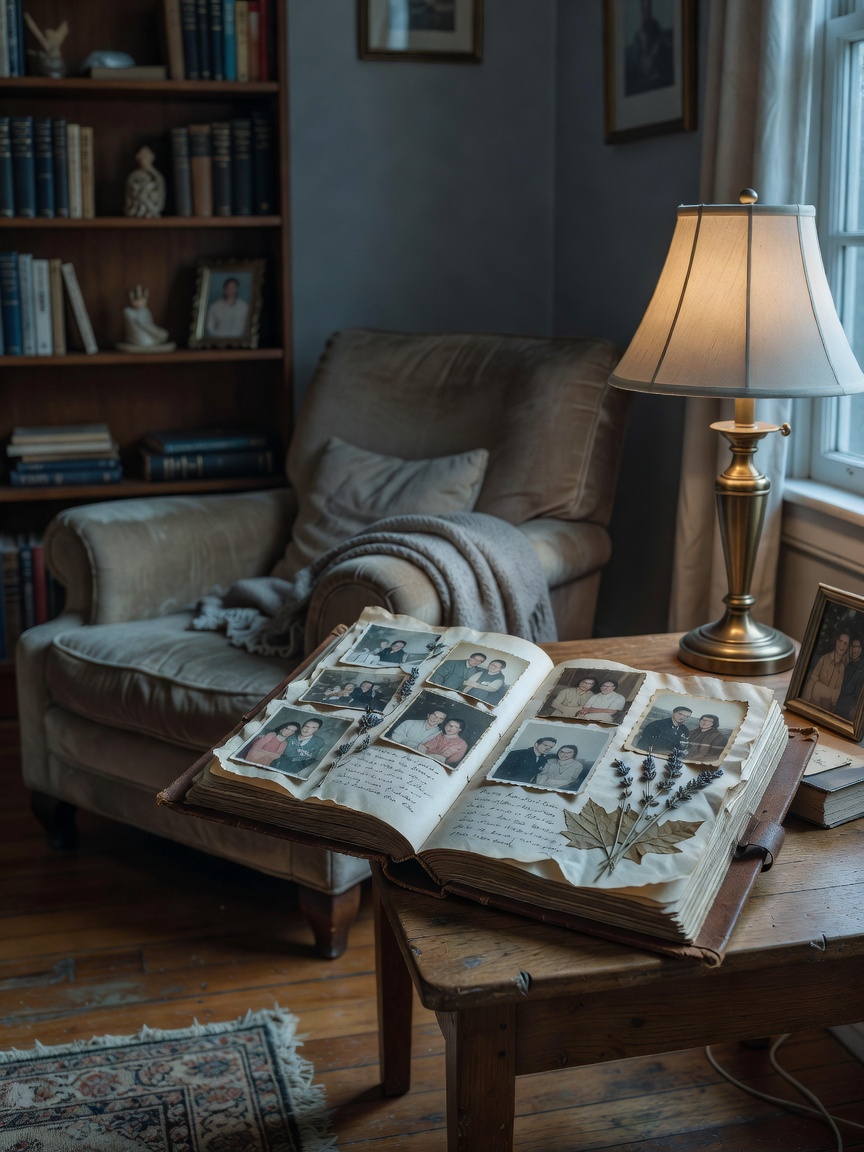
A private digital memory album for dementia care is a secure, online space where family members can collaboratively upload, organize, and share photos, videos, and stories. It functions as a therapeutic tool to help individuals with cognitive decline reminisce, reinforce personal identity, and maintain connections with loved ones, accessible via devices like tablets.
I remember the silence in the car after my father's diagnosis. The world felt loud and fragile all at once, and suddenly, every memory felt like a grain of sand slipping through my fingers. Your family might be feeling that now—scattered across states, trying to coordinate care in a chaotic group text where a beautiful memory is immediately buried by a thumbs-up emoji and a question about pharmacy hours. You just want one quiet, permanent place to hold onto the good stuff.
As one of the more than 11 million Americans providing unpaid care for people with Alzheimer's, your time and emotional energy are precious. The goal isn't just to manage a disease; it's to honor a life. A digital memory album becomes a shared sanctuary where everyone in the family, near or far, can contribute to that mission.
Kinnect is now LIVE! Start your private family group today.
👉 Try Kinnect on the Web
👉 Download the iOS App
Why a Private Space Matters More Than Public Feeds
When you first think of sharing photos, your mind might go to Facebook. But that platform is built for public broadcast. Its business model relies on using your family's personal moments and data to sell advertising. Sharing sensitive health updates or deeply personal memories in a space designed for public consumption feels wrong because it is. It’s like having a heartfelt conversation in the middle of a crowded mall.
Then there are group texts on platforms like WhatsApp or iMessage. They are great for immediate logistics, but they are terrible archives. Our research shows that 70% of family group text messages are logistical noise. Important photos, stories, and vital updates get lost in an endless scroll of 'ok's and memes. These tools are built for chatter, not for preservation.
A Step-by-Step Guide to Building Your Family's Digital Memory Lane
Step 1: Gather Your Team in a Quiet Moment
Before you download a single app, have a real conversation. Talk to your siblings, your aunts, your cousins. Explain the idea: a single, private place to share stories and photos for your loved one. This isn't about creating a chore; it's about creating a collective hug they can feel every day. Getting everyone on the same page emotionally is the most important first step.
Step 2: Choose Your Platform Wisely
Look for a space that prioritizes privacy above all else. The key features should be: no advertising, an ironclad commitment to not selling your data, and an interface simple enough for a non-technical person to use. It needs to feel like a private home, not a public stage. This is a permanent archive of your family's heart, so the foundation must be built on trust.
Step 3: Plant the First Seeds with Core Memories
Don't try to upload everything at once. Start with five to ten foundational memories. A wedding photo. A picture of their childhood home. A short video from a beloved family vacation. Scan that one recipe card in their handwriting that everyone loves. Each post is a breadcrumb leading back to a feeling of love and identity.
The Hidden Variable: Capturing Their Voice
Most guides focus on visual cues like old photographs. But the most powerful, and often overlooked, anchor to memory is sound. The hidden variable is their voice—the specific cadence of how they tell a story, the way they laugh. Our data reveals a stark Legacy Preservation Gap: 85% of adults wish they had recorded their parents' voices, but almost no one has a system to do it. Capturing these audio stories isn't just about nostalgia; it's about preserving the very essence of who they are.
Step 4: Make It a Gentle Habit, Not a Chore
The goal is a living album, not a static one. Encourage family members to share one memory a week. Or set up a daily 'Echo' where you share a single photo and a one-sentence memory. A consistent, gentle rhythm of connection is far more powerful than a frantic, one-time data dump. It transforms the act of remembering from a project into a ritual of love.
Building this digital memory lane shouldn't feel like another task on your already-full caregiver plate. It should be a place of comfort and connection for everyone. When you have a single, private home for these moments—free from the noise of public social media and the chaos of group texts—you give your family the gift of focus. Kinnect was built to be that quiet, permanent home for your family's most important story.
Frequently Asked Questions
How do you share memories with someone with dementia?
Share memories using simple, clear prompts with one photo or story at a time to avoid overstimulation. Sit with them, perhaps using a tablet, and talk about the people or places shown. Focus on the emotion of the memory rather than quizzing them on facts.
How do you create a memory book for someone with dementia?
To create a digital memory book, choose a private, secure platform and invite family members to contribute. Upload photos, short video clips, and text stories chronologically or by theme (e.g., 'Holidays,' 'Childhood'). Keep descriptions simple and use large, clear fonts.
What is the best way to share photos with family privately?
The best way is to use a dedicated, end-to-end encrypted platform designed specifically for families, not a public social media network. This ensures your photos are not mined for data or seen by advertisers. Look for services that prioritize user privacy as their core business model.
What do you talk about with someone with dementia?
Talk about topics from their long-term memory, such as their childhood, favorite music, first job, or wedding day. Use old photos or familiar objects to spark conversation. Avoid asking too many direct questions and instead, share your own feelings and memories related to the topic.
Learn more at Kinnect.
