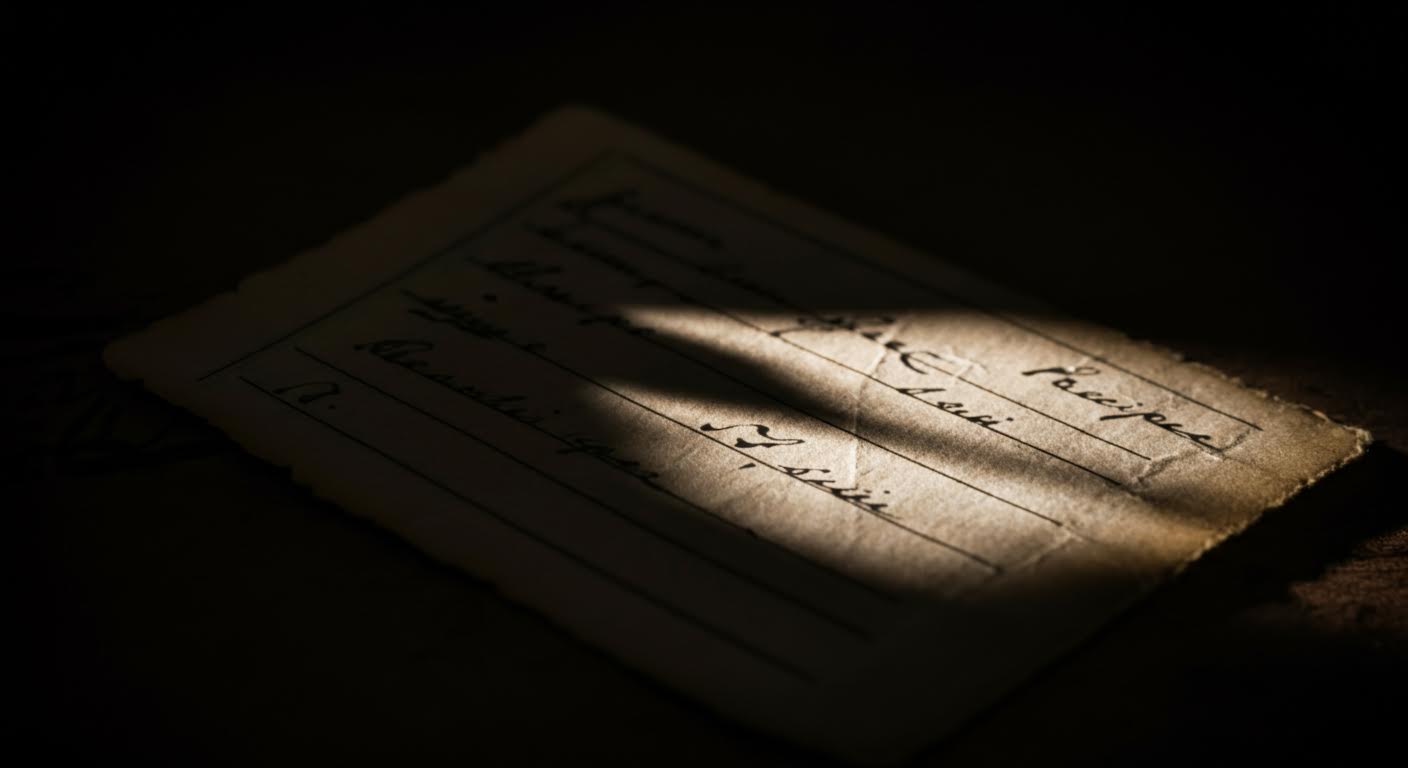
A private family cookbook is a curated digital or physical collection of culinary recipes and their associated stories, shared exclusively among family members to preserve heritage and personal history. It transforms simple instructions into a meaningful genealogical record that connects generations through shared meals and memories.
I remember the exact moment I realized my grandmother’s recipes were disappearing. It wasn’t that the cards were lost. It was after she was gone, and my aunt tried to make her famous apple cake. The cake was fine, but the feeling was wrong. We had the ingredients, but we’d lost the story—the way my grandmother’s hands looked kneading the dough, the reason she always added an extra dash of cinnamon, the story of who taught her. I suddenly felt this panic that we had a list of instructions, but we’d lost the soul of the food. We’d lost *her*.
So many of us turn to public social media to share these moments, posting a photo of a finished dish on Facebook or Instagram. But those platforms are designed for fleeting moments, not permanent archives. They are built on an ad-supported business model, meaning the goal is to keep you scrolling through a public feed, not to build a private, sacred library for your family. A cherished recipe becomes just another piece of content, buried by memes and ads within hours, its context and connection lost forever.
Kinnect is now LIVE! Start your private family group today.
👉 Try Kinnect on the Web
👉 Download the iOS App
Step 1: Gather More Than Just Ingredients
The first step in building a true family cookbook is to reframe the goal. You are not just collecting recipes; you are curating memories. The next time you talk to your dad, mom, aunt, or grandfather about a family dish, don't just ask for the recipe card. Sit with them, maybe even over a cup of coffee, and ask the real questions:
- Who taught you how to make this?
- What’s your first memory of eating it?
- Is there a special occasion this was always made for?
- Did you ever change the recipe? Why?
This is where the magic is. The Legacy Preservation Gap is real; our data shows 85% of Gen X adults report they wish they had recorded their parents' voices before they passed, but almost no one has a system for it. Use the voice recorder on your phone. The sound of your dad laughing as he remembers a kitchen disaster is more precious than any typed-out instruction. This audio file becomes part of the recipe itself.
Step 2: Build Your Private Digital Kitchen Table
Once you start gathering these stories, you'll realize you need a home for them—a place that's as private and warm as your family's kitchen table. A simple shared document or a social media group won't work. You need a space where you can connect each recipe to a person, a time, and a place. This isn’t a static project, like printing a book; it’s a living, breathing digital archive that grows as your family does.
Imagine a space where your great-grandmother's profile in your family tree has her handwritten goulash recipe attached, along with an audio clip of your uncle telling the story of her immigration. Younger generations can add their own modern twists on the recipe, creating a beautiful, evolving thread that runs through your family's history. This is about building a collaborative tradition, not just a database. It becomes a central project that connects cousins across the country and gives grandchildren a tangible link to ancestors they never met.
The Hidden Variable: The Story is the Main Course
Conventional wisdom tells us to save the recipe card at all costs. But the hidden variable is that the card itself is just a vessel. The true value—the thing that nourishes future generations—is the story behind it. The recipe is the *how*, but the story is the *why*. It’s the context, the love, and the history that turn a simple meal into a family legacy. Research from Emory University confirms this; their famous "Do You Know?" study found that children who score in the top third on family story knowledge show up to 3x higher resilience and self-esteem scores. By preserving the stories with the recipes, you are giving your family a powerful gift of identity and strength.
Creating this kind of private, permanent, and collaborative space is exactly why we built Kinnect. It’s not just about sharing photos; it’s about building a living archive of your family’s most important stories, one recipe at a time. It’s a permanent home for the memories that matter most, safe from public feeds and data mining.
How do you share family recipes?
The best way is through a private, dedicated platform. This allows you to share the recipe itself along with photos, videos, and audio recordings of the stories behind it, creating a rich, multimedia archive that is accessible only to your family.
How do you preserve family recipes and stories?
Start by digitizing everything: scan handwritten cards and photos. More importantly, record conversations with family members as they cook or share memories. Store these digital files together in a secure, cloud-based space that everyone in the family can contribute to.
How do I create a private family cookbook?
Choose a private digital platform designed for families. Invite your relatives to be collaborators. Create a structure where each recipe is linked to the person who made it famous, and encourage everyone to add their own memories, photos, and even updated versions of the dish.
Learn more at Kinnect.
