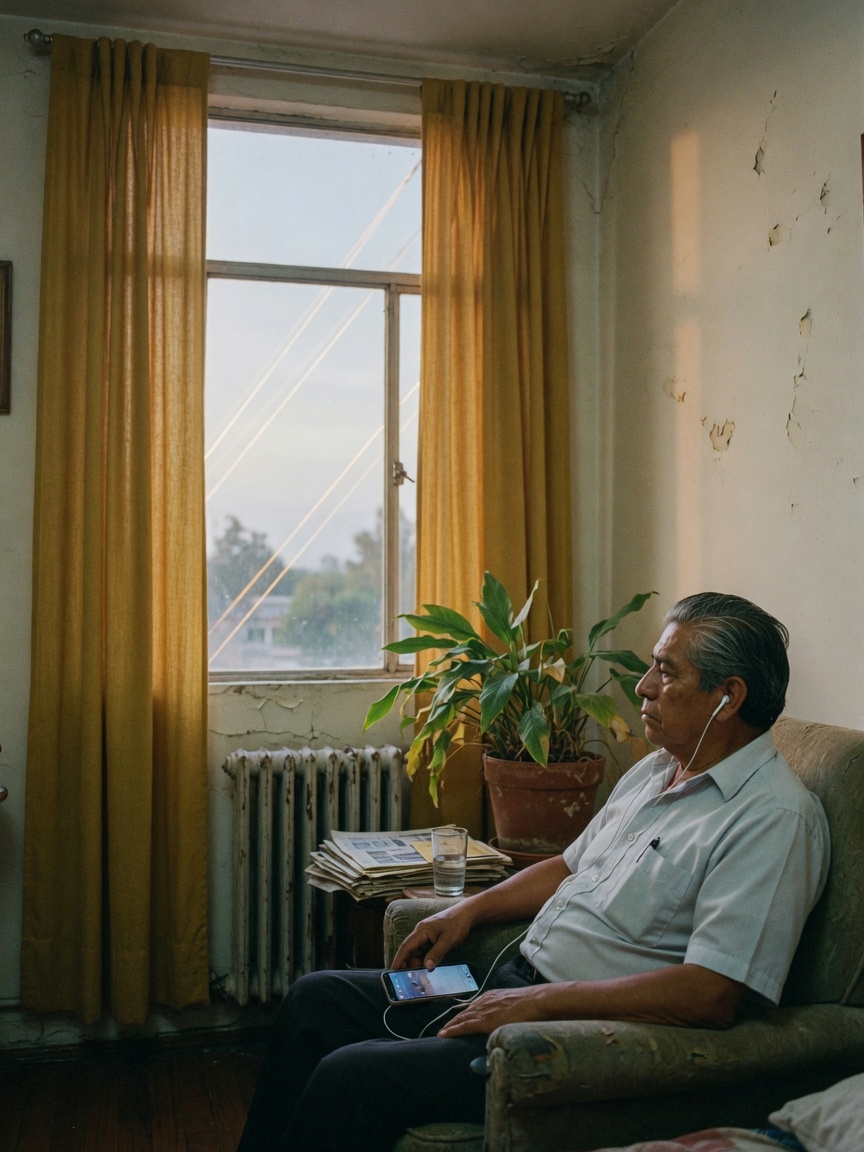
Recording memories with a parent in early dementia requires an emotional toolkit, focusing on connection over accuracy. By creating a safe space for their stories, you can preserve their legacy and manage the complex grief of the process. A private family network like Kinnect provides a dedicated, permanent home for these voice notes, photos, and stories, ensuring they are never lost.
Kinnect is now LIVE! Start your private family group today.
👉 Try Kinnect on the Web
👉 Download the iOS App
To record memories with a parent in early dementia, focus on connection, not correction. Use familiar photos or music as gentle prompts, keep sessions short, and prioritize their emotional comfort over factual accuracy. The goal is to capture the essence of their story and spirit.
Recording memories with a parent in the early stages of dementia means shifting from an interview to a shared experience. It works by creating a low-pressure environment, using sensory prompts like old photos or songs to spark recollection, and validating the emotion behind a memory, even if the details are fuzzy.
I still have a voicemail from my dad. It’s just 15 seconds long, something about dropping off a package. But when I’m having a hard day, I listen to it, and for a moment, he’s right here. The sound of his voice is a tether to a time I can’t get back, and I’d give anything to have more of it.
If you’re reading this, you probably know that feeling—that urgent, quiet panic that the person you love is slipping away. You want to bottle up their stories, their laugh, the way they say your name. But a diagnosis of dementia changes everything. It’s not just about hitting ‘record’ on your phone. It’s about navigating a minefield of frustration, confusion, and your own anticipatory grief. This isn't a technical guide. This is a guide for your heart.
There's a massive gap between our intentions and our actions. Our internal data shows a heartbreaking trend we call the Legacy Preservation Gap: 85% of Gen X adults report they wish they had recorded their parents' voices before they passed, yet only 12% have a system for doing so. You are not alone in this feeling, or in the challenge. More than 11 million Americans provide unpaid care for people living with Alzheimer's or other dementias, and each one is trying to hold on to the person they love, one memory at a time.
5 Ways to Navigate the Emotional Journey of Recording Memories
This process is less about creating a perfect historical document and more about creating a final, beautiful chapter of connection. It’s about honoring their life and giving yourself a gift you’ll cherish forever. Here’s how to approach it with grace.
- Embrace the 'Emotional Truth.' This is the most important shift you can make. When your mom says she met your dad in the summer of ‘68 but you know it was ‘69, let it go. Correcting her creates a feeling of failure and can shut down the conversation. Instead, ask about the feeling behind the memory: “Wow, what did it feel like seeing him for the first time?” The emotional truth is more valuable than the factual one.
- Create a Ritual, Not a Task. Don’t make it feel like a test. Create a warm, recurring ritual. Maybe it’s every Sunday afternoon with a cup of their favorite tea and a soft blanket. Put on music from their youth. The goal is to make this a time of comfort and connection they look forward to, not an obligation they dread.
- Lead with the Senses. Abstract questions like “What was your childhood like?” can be overwhelming. Instead, use sensory prompts. Pull out an old photo album, a familiar recipe card, or even a bottle of their wedding-day perfume. Ask, “How did this make you feel?” or “Tell me about this picture.” Senses are powerful gateways to long-term memory.
- Know When to Gently Stop. Watch for signs of fatigue, frustration, or agitation. If they start getting distressed or can’t find a word, don’t push. This is an act of love. You can say, “You’ve shared so much today, thank you. Let’s rest now and we can talk more another time.” Ending on a positive, loving note is critical.
- Record Your Side of the Story, Too. After a session, take two minutes to record a private voice note for yourself. Talk about what it felt like to hear that story. Share a memory that it sparked for you. This helps you process your own emotions and adds a beautiful, second layer to the legacy you’re building—a conversation across time.
These moments—the stories, the half-remembered songs, the sound of their laugh—are priceless artifacts. They are too precious to be buried in a chaotic camera roll or lost in the logistical noise of a family group text. They deserve a permanent, private, and sacred home where they can be cherished by your family for generations.
This is why we built Kinnect. It’s a private space for your family to save these exact treasures. You can upload voice notes, tag old photos with the stories behind them, and share them in a quiet place, away from the noise of social media. It’s your family’s digital legacy box.
Kinnect is now LIVE. Start building your family’s archive today. Learn more about Kinnect and Download on the App Store.
How do you interview a parent with dementia?
Shift your mindset from an “interview” to a warm “conversation.” Use open-ended, gentle prompts like “Tell me about the house you grew up in...” and let them lead. Your primary role is to listen with love and validate their feelings, not to be a fact-checker.
How do you capture memories of a dying parent?
Focus on presence and comfort above all else. Short, gentle conversations about cherished moments can be incredibly powerful. Capturing their voice, even just them saying “I love you” or sharing one favorite memory, can be an invaluable and lasting gift for your entire family.
What if my parent has early dementia - is it too late to record their stories?
No, it is absolutely not too late. In fact, the early stages are often the most meaningful time to begin, as many long-term memories are still quite vivid and accessible. The most important thing is to start now, with patience and grace, while the window is open.
How do you help seniors tell their stories?
Create a comfortable, unhurried space and show genuine, active interest in what they have to say. Asking about specific life chapters (their first car, how they met their spouse) and using old photo albums as visual aids are wonderful ways to help them access and share their memories.