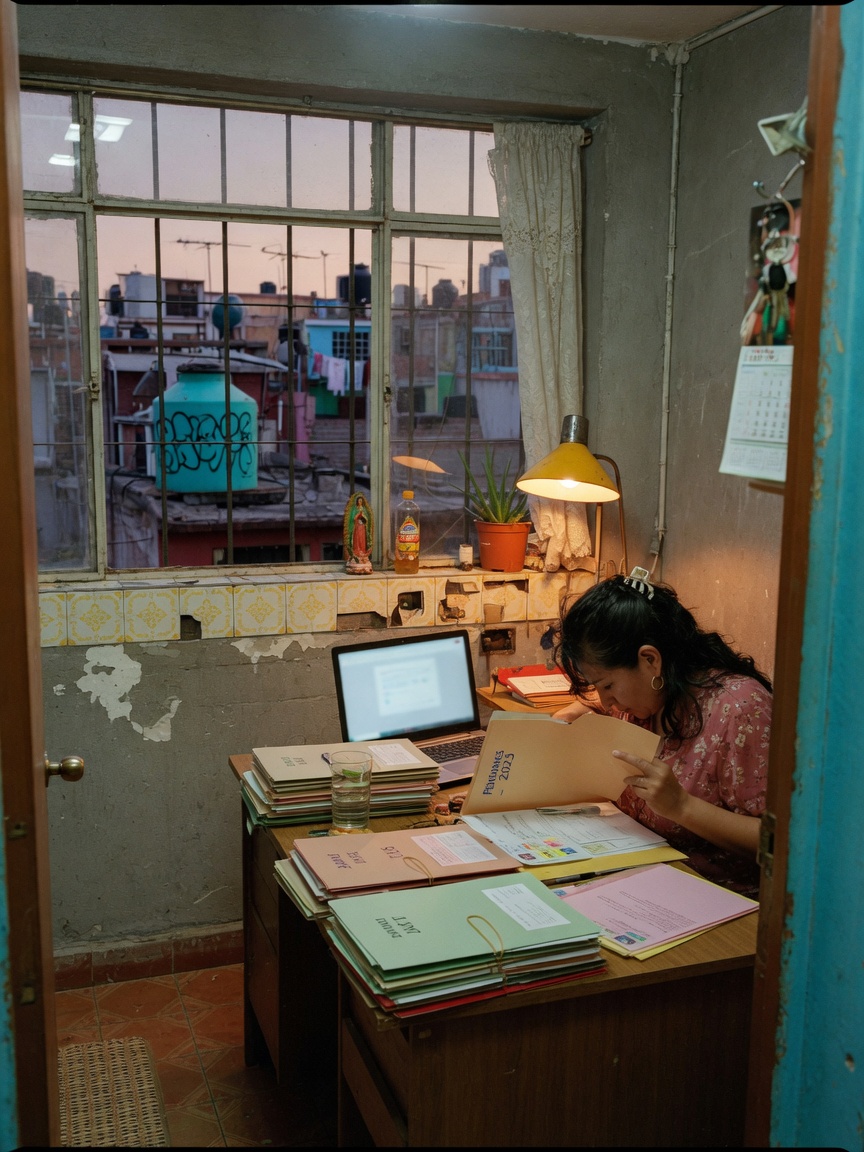
Preserving a parent's memories during dementia involves proactively capturing their stories and life experiences for the adult child's future remembrance, creating a lasting legacy archive. A private family network like Kinnect provides a secure, permanent space to collect these precious voice notes, photos, and written stories away from the noise of public social media.
Saving a parent's memories during dementia is the process of proactively documenting their life stories, personality, and wisdom for the benefit of their children and future generations. This practice shifts the focus from aiding the parent's recall to creating a permanent legacy archive for the family to hold onto.
Kinnect is now LIVE! Start your private family group today.
👉 Try Kinnect on the Web
👉 Download the iOS App
I remember the day it hit me. It wasn't a doctor's appointment or a forgotten name. It was a Sunday afternoon, and I asked Mom for her lemon meringue pie recipe, the one she’d made for every birthday of my life. She just stared at the pantry, confused. In that moment, I realized I wasn't just losing her future; I was losing her past. All those little stories, the details that made her *her*, were becoming fragile.
Most of the advice out there is about helping the person with dementia remember. It’s about flashcards and memory games. But what about us? The ones left behind to hold the memories? This guide isn’t about quizzing your mom. It’s about building a lifeboat for her stories, a permanent archive for you. It's about capturing the echo of who she is, so you can hear it long after the voice has faded.
Practical Steps to Build Your Mom's Memory Archive
This isn't about creating a stressful, formal interview. It's about finding gentle, loving ways to gather the pieces of her life. Think of yourself as a loving curator of her legacy.
Become a Voice Collector
There is nothing more powerful than the sound of your mother's voice. Our research shows a significant Legacy Preservation Gap: 85% of Gen X adults report they wish they had recorded their parents' voices before they passed, yet only 12% have a system for doing so. Don't wait. The next time you're together, just hit record on your phone. Ask questions that invite feeling, not facts. Instead of "Where did you grow up?" try "What did it feel like to come home from school as a little girl?"
Curate a Story-Based Photo Album
Go through old photo albums together, but with a new purpose. This isn't for her to remember; it's for you to record. Pick a photo and tell her what *you* remember about that day. Often, your story will spark a feeling or a fragmented memory in her. Write these moments down on the back of the photo or in a shared digital album. You're not just captioning a picture; you're preserving a shared moment in time.
The Hidden Variable: Emotional Memory
Conventional wisdom focuses on preserving factual recall—names, dates, places. But the hidden variable is emotional memory and sensory memory. These pathways often remain accessible long after cognitive memory declines. Don't ask what she wore to her wedding; ask how she felt when she saw your dad waiting for her. Play a song from her youth. Bring her a flower from the garden she used to keep. These sensory inputs can unlock stories and feelings that a direct question never could. This is where the real essence of a person lives.
The real challenge isn't just collecting these moments; it's keeping them safe, private, and organized in one place for years to come. Group texts create what we call 'Messaging Noise'—where logistics and memes bury the important stuff. This is why we built Kinnect. It’s a private, permanent home for your family's most important stories, a digital archive where your mom's voice, photos, and memories can live on, securely shared with just the people who matter most.
Why is it important to preserve memories for dementia patients?
While helping the patient is one goal, it's equally important for the family. Preserving memories creates a lasting legacy, honors the person's life, and provides comfort and connection for children and grandchildren who are grieving the slow loss of their loved one.
What do you write in a memory book for dementia?
Instead of just names and dates, focus on stories and feelings. Write short, simple sentences about a shared experience connected to a photo. For example, "This is us at the beach. Mom loved the sound of the waves. We always felt so happy here."
How do you preserve memories before dementia?
Start today. Use a voice recording app to interview your parents about their lives. Scan old photos and add detailed captions. Create a private family group online to share these stories as you collect them, making it a living, collaborative project before memory becomes a challenge.
Learn more at Kinnect.