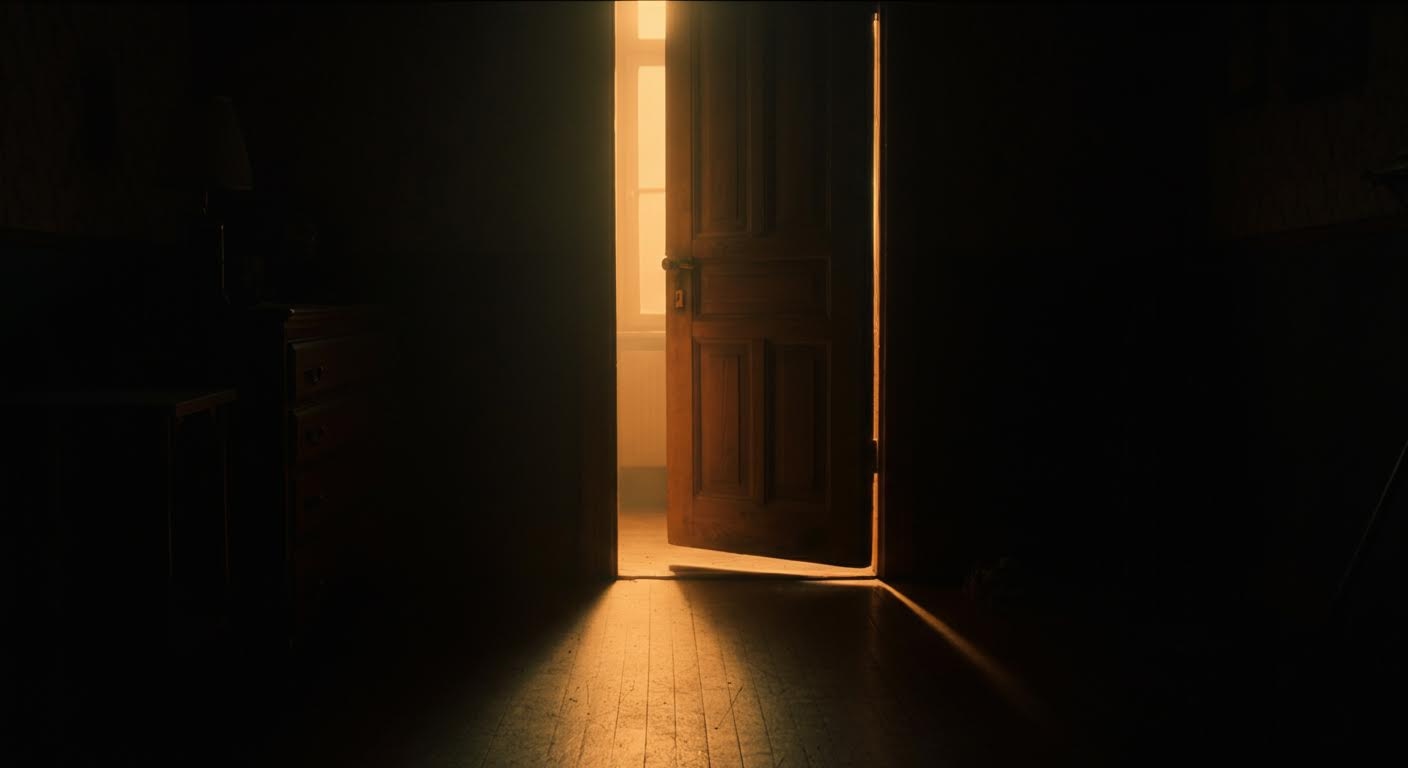
Family relationships often weaken not through big fights, but a slow fade of meaningful connection, often buried under logistical noise in group texts. Reversing this involves intentional micro-actions, like asking better questions and sharing small daily moments, which platforms like Kinnect facilitate by creating a dedicated space for family stories away from social media distractions.
The most common signs of a deteriorating family relationship aren't loud fights, but a quiet drift. This includes conversations becoming purely logistical, a lack of shared rituals, and feeling like you're performing for each other instead of connecting.
Deteriorating family relationships often begin with a 'slow fade' rather than a single event. It’s a gradual decline in emotional intimacy, where communication becomes superficial, shared experiences dwindle, and family members feel more like acquaintances than a supportive unit. This slow drift is often harder to spot than outright conflict. It’s the creep of distance that happens so quietly you don’t notice it, until one day you realize you haven’t had a real, unguarded conversation in months, maybe years. I felt this most profoundly after my dad passed; I was flooded with all the questions I never asked, the stories I never recorded. It wasn't a lack of love, but a lack of intention that I regret the most. This guide is for anyone who feels that slow fade and wants to turn things around before the distance becomes permanent.
Kinnect is now LIVE! Start your private family group today.
👉 Try Kinnect on the Web
👉 Download the iOS App
Most articles will give you a checklist of red flags for a 'toxic' family. They are important, but they often describe a house that's already on fire. What about the quiet fraying of the wires before the spark? What about the relationships that aren’t toxic, just… thin? This is about noticing the subtle drift and taking small, gentle steps to pull each other close again. It’s about prevention, not just diagnosis.
5 Subtle Signs of the Slow Fade (And How to Gently Intervene)
The slow fade is made of tiny moments of disconnection that add up over time. Recognizing them is the first step to reversing the trend. Here are the signs to watch for, and the small, practical actions you can take today.
- The Conversation is All Logistics. Your family chat is full of scheduling, reminders, and 'ok' responses, but devoid of real sharing. Our research at Kinnect shows this isn't uncommon; we found that 70% of family group text messages are logistical noise, which buries meaningful connection. You talk *at* each other about what needs to get done, but you don't talk *with* each other about what you’re feeling or experiencing.
The Fix: Ask one open-ended question today. Instead of “How was your day?” (which gets a one-word answer), try “What was the most interesting part of your day?” Research from Harvard shows that people who ask reflective questions are seen as more trustworthy and likable, yet most of us ask fewer than four questions in a 15-minute chat. Be the one who asks. - You're Performing, Not Participating. You find yourself curating the version of your life you share with your family. You only post the wins, the perfect photos, the good news. It’s the feeling that you have to be 'on' for them, that sharing a struggle would be a burden or a disappointment. Real connection lives in the messy middle, not just the polished highlights.
The Fix: Share one small, imperfect moment. A picture of the meal you burned, a funny story about a mistake at work, a simple “today was tough.” It gives them permission to be real with you, too. - Rituals Have Become Routines. Birthdays, holidays, and Sunday dinners feel like obligations you just have to get through. The joy and meaning have been replaced by the motions. You’re physically present, but emotionally, everyone has checked out.
The Fix: Re-introduce one tiny, personal element. Bring an old photo album to the next holiday. Start a new tradition, even if it's as simple as everyone sharing one good thing that happened that week. The goal is to break the script and create a new, shared moment. - You Learn Big News Secondhand. You find out your sister got a promotion from a Facebook post, or that your brother is moving from your cousin. When the direct lines of communication close, it’s a clear sign that emotional distance has set in. It means you’re no longer part of their immediate circle of trust.
The Fix: Make a 'just because' call or send a text with no agenda. A simple “Thinking of you today” or “Remember that time we…?” re-opens that direct line without pressure. It reminds them you’re there. - There's an Absence of Shared Laughter. This one is subtle but powerful. Think about it: when was the last time you and your family shared a genuine, side-splitting laugh together? Not a polite chuckle, but real joy. Laughter is a barometer of comfort and connection. Its absence is a quiet alarm.
The Fix: Share a memory of a time you all laughed. Send an old, funny photo to the group. It reminds everyone of the bond that exists underneath the stress of daily life and reminds them of the joy you’re capable of creating together.
Reversing the slow fade isn’t about one grand gesture. It’s about a thousand tiny, intentional acts of connection. It’s about choosing to ask a better question, share an imperfect moment, or send a photo that says, “I remember us.” The hard part is finding a space for these moments to live, away from the noise of logistics and the performance of social media. A place that’s just for you.
That’s why we built Kinnect. It’s a private, permanent home for your family’s real story—the small daily updates, the precious memories, the voices of the people you love. It’s a space designed to fight the slow fade, helping you capture the little things that, in the end, are the only things that matter.
How do you fix a strained family relationship?
Fixing a strained relationship starts with one person taking a small, low-risk step. This could be sending an old photo with a warm memory attached, acknowledging their perspective in a past disagreement, or simply asking an open-ended question about their life and truly listening to the answer.
What are the signs of a toxic family?
Signs of a truly toxic family dynamic go beyond simple disagreements. They often include patterns of manipulation, constant criticism, a lack of empathy, disrespect for boundaries, and feeling consistently drained or anxious after interacting with them. In these situations, the priority is your own well-being.
How do you know when your family is falling apart?
A family may be falling apart when communication ceases or becomes entirely negative. Key indicators include family members actively avoiding each other, an inability to resolve any conflict, and the complete erosion of trust and mutual support. It feels less like a team and more like a group of disconnected individuals.
When should you distance yourself from your family?
You should consider distancing yourself when the relationship consistently harms your mental, emotional, or physical well-being. If interactions are characterized by abuse, manipulation, or a complete lack of respect for your boundaries, and attempts at repair have failed, creating distance is a necessary act of self-preservation.
Learn more at Kinnect.
