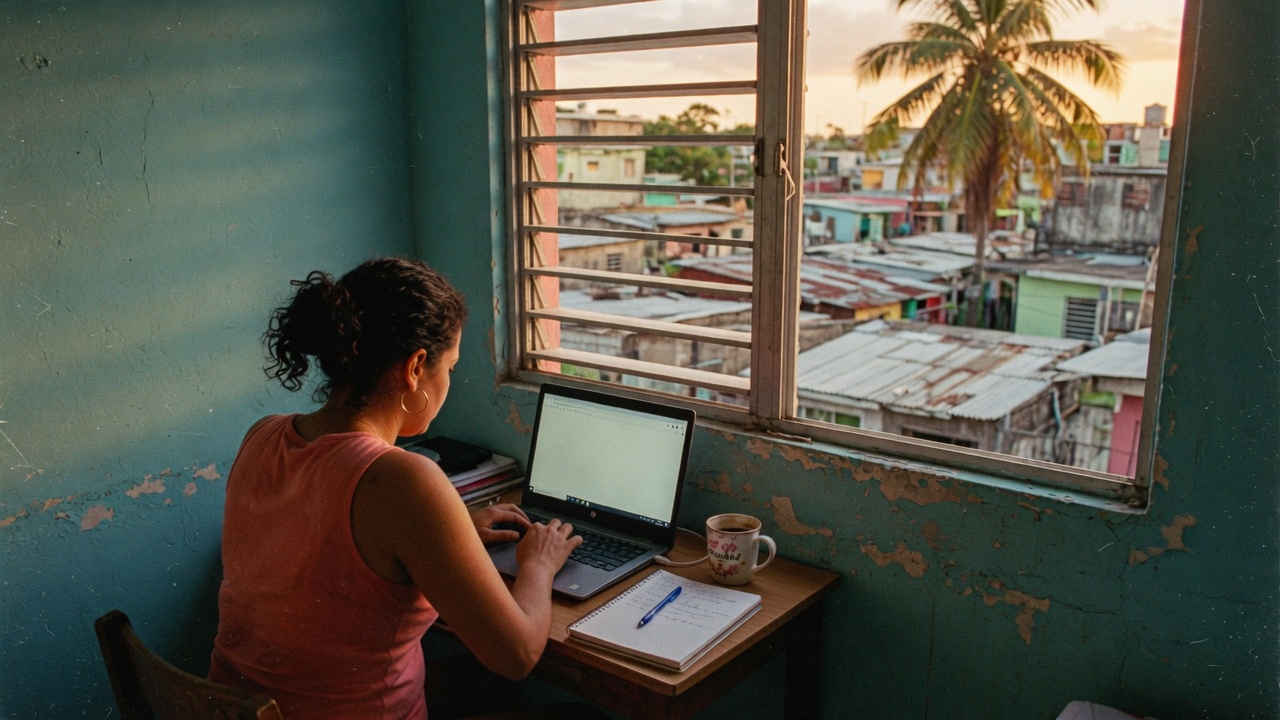
Maintaining family relationships often depends on small, asynchronous gestures rather than scheduled events. These 'micro-nudges,' like sharing a quick photo or voice note, create a consistent feeling of connection for busy, geographically dispersed families. A private family social network like Kinnect can provide a dedicated space for these small but meaningful interactions.
Maintaining family relationships means consistently fostering emotional connection, trust, and support through intentional communication and shared experiences. This involves both direct interaction and indirect gestures that signal care, presence, and a sense of belonging among family members, regardless of physical distance or busy schedules.
Kinnect is now LIVE! Start your private family group today.
👉 Try Kinnect on the Web
👉 Download the iOS App
I remember after my dad passed, it wasn’t the big holidays or planned vacations I missed the most. It was the silly, pointless text he’d send me from the hardware store about a new kind of screwdriver, or a blurry photo of a bird at his feeder. It was the little pings throughout the day that said, without saying, “I’m here, and you’re on my mind.”
We’re told that keeping a family close requires effort: scheduled weekly calls, planned family dinners, big reunion trips. And those things are wonderful, but they’re also fragile. Life gets busy, miles get between us, and the pressure of the ‘big gesture’ can make us feel like we’re failing. But connection isn’t an event; it's a texture. It’s woven from a thousand tiny, seemingly insignificant threads.
The truth is, most of us are trying to weave that texture through tools not built for it. While text messaging is the most common way families communicate, our research shows that 70% of family group text messages are logistical noise—memes, scheduling, ‘ok’ responses—that buries the quiet, meaningful moments. We’re trying to build a home inside a noisy train station.
Tiny Gestures That Weave a Stronger Family Fabric
The solution isn’t more pressure. It’s smaller, lighter, more human nudges. It’s about finding ways to share the little moments of your day without the expectation of a long, drawn-out conversation. Here are a few ways to do it.
The 'Reminds Me of You' Photo
You see a dog that looks just like the one you had growing up. You pass a coffee shop with a funny name. You see a book your mom would love. Instead of just thinking it, snap a picture and send it with the simple caption, “Thinking of you.” There’s no question to answer, no pressure to respond immediately. It’s a tiny, digital postcard that takes five seconds but says everything.
The Asynchronous Voice Note
Scheduling a call across time zones and work schedules is hard. Instead, while you’re walking the dog or waiting for the kettle to boil, record a 30-second voice note. “Hey, just walking past that park we used to go to and it made me smile. Hope you’re having a good day.” It carries the warmth of your voice without the logistical headache of a real-time conversation.
The Shared Digital 'Fridge Door'
Think of the old family refrigerator, covered in photos, drawings, and ticket stubs. You can create a digital version with a shared photo album. The key is to make it a no-pressure space. It’s not for perfect, curated photos. It’s for the funny selfie, the picture of the sunset, the snapshot of a good meal. It becomes a quiet, ambient way to witness each other’s lives, day by day.
The Hidden Variable: The Power of Being Witnessed
Conventional wisdom says connection requires *interaction*—a back-and-forth conversation. But the real hidden variable is the feeling of being *witnessed*. Just knowing someone saw your small update, photo, or note, even without a reply, creates a powerful sense of belonging and presence. It's about ambient awareness, not active engagement. This is why a shared family space can feel more connecting than a series of one-on-one texts that demand a response.
It’s these small moments that build a life. Our research shows that 85% of Gen X adults report they wish they had recorded their parents' voices before they passed, yet only 12% have a system for doing so. We think about legacy preservation as a will or a trust, but the real legacy is the sound of their laugh, the story they told for the hundredth time. Capturing that isn't a grand project; it's a collection of a thousand small voice notes and videos.
The challenge is that these precious, tiny moments are scattered and fragile. They get lost in text threads that are deleted to save phone space. They get buried on public platforms like Facebook, whose entire business model is built on analyzing your family’s life to sell ads. Those platforms are built for public performance, not private preservation.
A family's story deserves a permanent, private home. A quiet place, away from the noise of the public internet, where every small gesture is saved and cherished, building a beautiful, living archive of your life together. A space designed not for data mining, but for connection.
Why is quality family time important?
Quality time builds emotional security and a sense of belonging. It strengthens communication, reduces stress, and according to a Brigham Young University meta-analysis, close family relationships are linked to a 45% lower risk of early death. It's not just about happiness; it's fundamental to our long-term health.
How do I convince a parent to accept help?
Frame it as a way for *you* to feel less worried, rather than a critique of their ability. Offer specific, small choices like, “Could I either help with groceries or organize your mail this week?” This gives them a sense of control and makes the help feel less like an imposition.
Is it wrong to set boundaries with your parents?
No, it is not wrong. Setting healthy boundaries is a sign of a mature, respectful relationship. It's about defining how you can interact in a way that is sustainable and healthy for everyone involved, not about cutting them off.
Learn more at Kinnect.