Finding the right step family communication app can feel like navigating a minefield, especially when you're trying to blend different personalities and histories. Most standard communication tools just aren't built for the complexity of step-family dynamics, often making things feel more awkward than connected.
Kinnect is now LIVE! Start your private family group today.
👉 Try Kinnect on the Web
👉 Download the iOS App
You're probably trying to foster genuine connection, but sometimes the tools we default to, like endless group texts or public social media feeds, actually create more distance. Group chats can feel intrusive or like some people are always on the outside looking in. And public platforms? They just don't feel safe enough for the private, vulnerable sharing that truly builds family bonds.
Step-families often face unique challenges. There are inherited roles, new roles, and a delicate balance between old loyalties and building new connections. Children can feel caught in the middle, and adults might worry about overstepping or not fully belonging.
This lack of shared history can make things even harder. How do you find common ground when so much of your past is separate? And how do you create a sense of belonging for everyone when some members might feel like outsiders?
Many people struggle with these dynamics. According to the Survey Center on American Life in 2021, Americans report having fewer close friends than they did in the 1990s, with the share having no close friends roughly quadrupling. This decline in broader social connections often puts more pressure on all family units, including step-families, to be sources of deep support. Effective communication becomes even more vital, but also more fraught.
But the problem isn't just about sharing information. It's about creating a true sense of belonging and psychological safety. And when the tools you're using don't support that, things can quickly feel forced, or worse, make people withdraw.
Building connection with flexible family groups
So, what does a communication tool that actually works for step-families look like? It needs to be flexible enough to handle various family configurations. Not everyone needs to be in every conversation, and that's okay. Sometimes you need a space just for the parents, or just for the adult children, or a specific grouping of step-siblings.
It also needs to prioritize privacy and safety. When people feel secure, they're more likely to share openly. They won't filter their thoughts or worries, and that's how real connection happens. You need a space where everyone feels like they can truly be themselves.
A good solution also encourages building new shared memories and capturing stories. It makes it easy to document the present and create a living history together, rather than just relying on a past that not everyone shares. While biological ties are strong, the Survey Center on American Life reported in 2021 that 21% of Americans say their closest source of emotional support is a chosen family member — a friend they consider family. This statistic really highlights how important it is for step-families to create spaces where those 'chosen' connections can thrive, especially when they might not share a long history.
The real challenge with step-family communication isn't just finding a place to talk. It's finding a place that supports the unique ways your family needs to connect, one that reduces the burden of managing all those different relationships and preferences. You want a space where everyone feels genuinely included without feeling forced, and where the structure makes sense for your family, not some generic template.
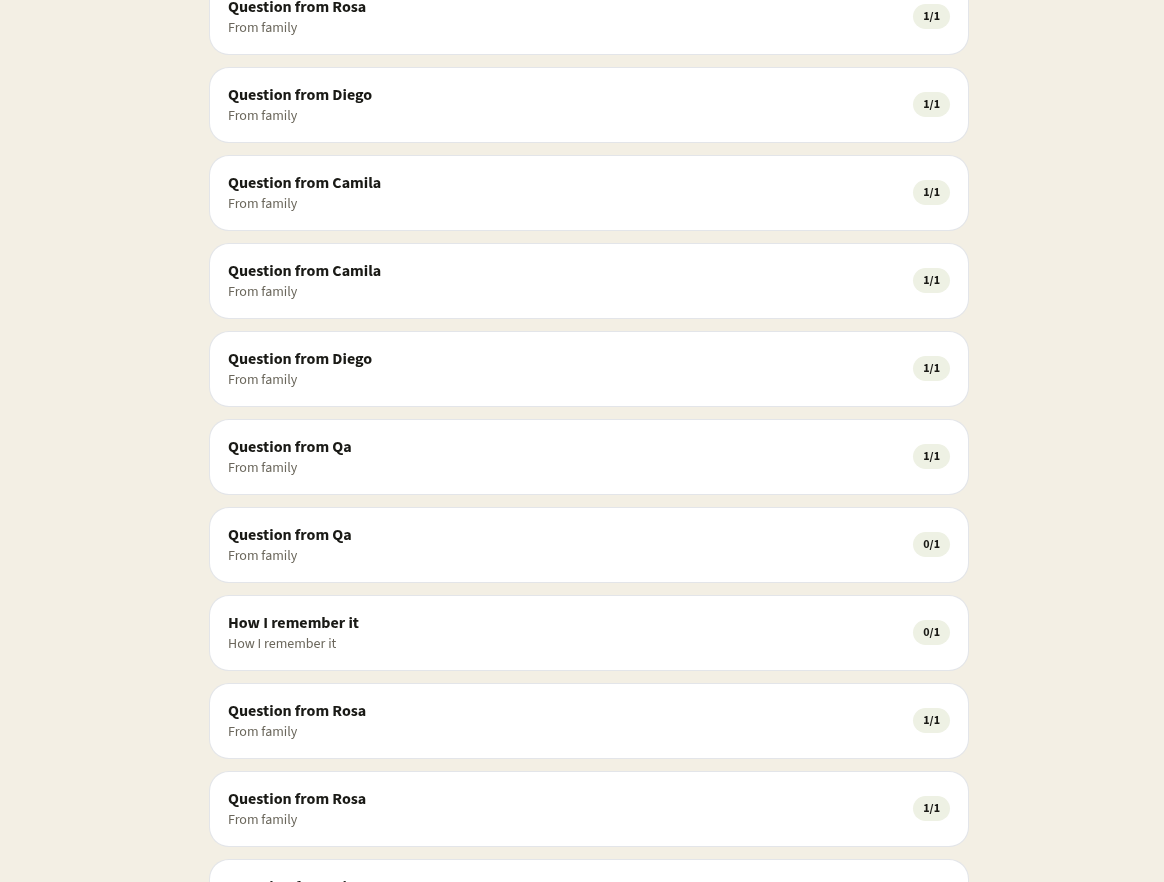
That's exactly why many families find a tool like Kinnect so helpful. It’s a private, invite-only platform designed to help families preserve memories, stories, and essential life information across generations. It takes the guesswork out of managing who sees what and who's included where because Kinnect groups can be structured however makes sense for the specific family, giving you the flexibility to create smaller, private circles within the larger family group for sensitive topics or specific relationships. It helps bridge those communication gaps you might find with more rigid tools, letting your family build its own rhythm. If you've been struggling with balancing inclusion and privacy, especially with the complexities of step-family dynamics, you can learn more about how it helps complicated families thrive at Kinnect.club.
Q: How do I get everyone to use a new app?
You start by explaining why you want to use it – to make things easier, less awkward, and more private for everyone. Emphasize the benefits for them, like reducing endless group texts or feeling more included without pressure.
Q: What if some family members aren't very tech-savvy?
Look for apps with simple, intuitive interfaces. Offer to sit down with them for a few minutes to show them how it works. Often, once they see how easy it is to share a photo or answer a simple question, they'll get the hang of it quickly.
Q: Can we control who sees what?
A good family communication platform should allow you to create different groups or circles, so you can share specific information or memories with only the relevant people. This prevents oversharing and helps maintain privacy for various family configurations.
Q: How can we build shared history when we don't have much?
Focus on creating new shared experiences and memories, and use the platform to document them. Share photos from recent gatherings, ask prompts about future dreams, or even share stories from different parts of your lives that help everyone understand each other better. It’s about building a living history together.
Keep reading
Kinnect is now LIVE!
Experience the private family network on the web or download the iOS app today.
Visualizing how everyone connects can be just as important as the day-to-day communication. If you're looking for a way to represent your unique family structure, explore our guide on creating a family tree for blended families kids that actually works.