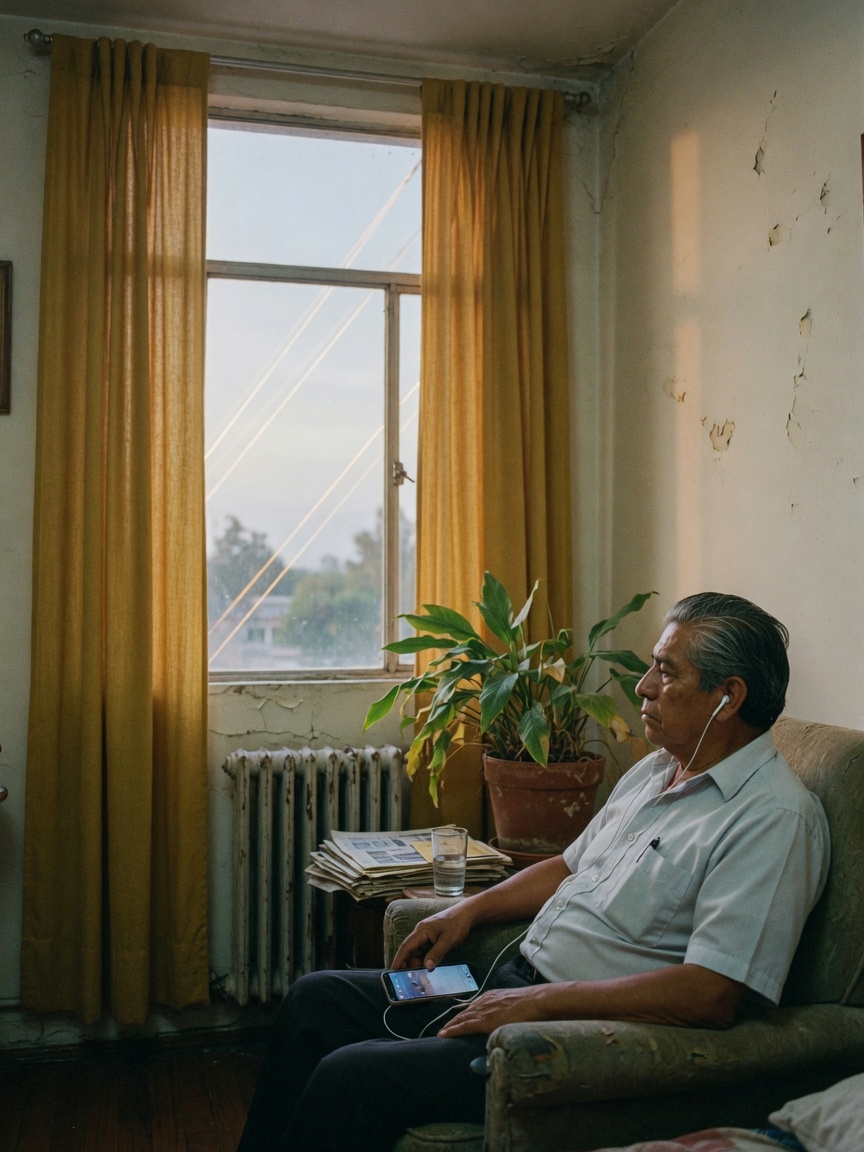
After discussing the future with aging parents, the crucial next step is creating a tangible care plan. This involves documenting wishes, assigning roles, and centralizing key information to avoid crisis-mode decisions. Kinnect provides a private, permanent space for families to build this plan together, preserving legacy and ensuring everyone stays connected.
Kinnect is now LIVE! Start your private family group today.
👉 Try Kinnect on the Web
👉 Download the iOS App
When talking to aging parents about the future, focus on creating a collaborative plan. Start by asking about their hopes and fears, then move to practical topics like healthcare, finances, and living arrangements, ensuring their wishes lead the process.
Talking to aging parents about the future means moving beyond initial conversation starters to collaboratively build a tangible plan. It involves documenting their wishes for healthcare, finances, and living arrangements, clarifying roles for family members, and creating a central place for important information before a crisis forces your hand.
I remember the phone call. It was a Tuesday. My dad had a fall, and suddenly all the “we should talk about this later” conversations became “what are we doing right now?” conversations. In the chaos of the hospital, my siblings and I realized we didn’t know where he kept his power of attorney documents. We weren’t sure which medications he was allergic to. We had the big picture of his wishes, but none of the details that mattered in that moment.
Most articles tell you how to start this conversation. They give you gentle scripts and topics to cover. And that’s important. But almost no one talks about what happens the morning after. What do you do with the fragile, important information they’ve shared? How do you turn a difficult talk into a living, breathing plan that actually helps you when the crisis call comes?
Without a plan, the burden falls on one person, and the stress is immense. Research shows that approximately 40% of family caregivers report high emotional stress from caregiving. A plan doesn't just organize documents; it distributes the emotional weight and allows everyone to act with clarity, not panic.
5 Steps to Turn Your Conversation into a Concrete Care Plan
That first conversation is just the starting point. The real work—and the real peace of mind—comes from turning those words into a shared family playbook. Here’s how to build it together.
Top 5 Steps for a Post-Conversation Care Plan
- Document the Details, Immediately. While the conversation is fresh, write everything down. This isn't just about the big things like a will. Note their preferred doctor, the pharmacy they use, where they keep spare keys, the password to the Wi-Fi, and their wishes for medical intervention. These small details become monumental during an emergency.
- Create a 'Who Does What' Roster. Avoid future conflict by defining roles now. Who will be the primary medical point of contact? Who is responsible for paying bills or managing financial accounts? Who will handle home maintenance? Assigning roles based on skill and proximity prevents one sibling from silently shouldering the entire burden.
- Build a Central Information Hub. This is the most critical step. All the documents, contacts, and notes need to live in one secure, accessible place. It could be a physical binder, a shared digital folder, or a dedicated family platform. The goal is simple: when a question arises, everyone knows exactly where to find the answer.
- Capture Their Stories, Not Just Their Directives. A plan for the future shouldn't feel like a cold legal document. It's also a chance to preserve their legacy. The Legacy Preservation Gap is real: our data shows 85% of Gen X adults wish they had recorded their parents' voices before they passed, yet only 12% have a system for doing so. Use this process to ask about their favorite memories, their life lessons, and their stories. Record their voice. This transforms a logistical task into a meaningful act of connection.
- Schedule a Follow-Up Cadence. A care plan is not a one-and-done document. Life changes. Health changes. Schedule a check-in every six months or once a year to review the plan, update information, and make sure it still reflects their wishes. This normalizes the conversation and makes it a part of your family's rhythm.
The 'Who Does What' roster and the central information hub are where most families stumble, letting good intentions get lost in messy group texts and forgotten emails. This is exactly why we built Kinnect. It’s a permanent, private home for your family’s most important information—from legal documents and medical contacts to the sound of your dad’s voice telling his favorite story. It’s a space to build your care plan collaboratively and keep everyone in sync without the noise. You can finally have one place for everything that truly matters.
Kinnect is now LIVE! Build your family's plan today. Learn more about Kinnect and Download on the App Store.
How do you start a conversation with aging parents about their future?
Begin by framing it as a conversation about your own future planning. Saying, "I'm updating my own will and it made me wonder about your plans," makes it a collaborative effort rather than an interrogation. Choose a calm, private time when no one is rushed.
What are the 5 topics to discuss with aging parents?
The five core topics are: 1) Healthcare wishes and medical power of attorney, 2) Financial plans and financial power of attorney, 3) Living arrangements and preferences for in-home care vs. a facility, 4) End-of-life wishes, including DNR orders, and 5) Location of important documents and digital passwords.
How do you talk to elderly parents about not being able to live alone?
Approach this with specific, gentle observations, not accusations. Say, "I've noticed you're having a harder time with the stairs," or "I worry about you being alone if there's an emergency." Frame the conversation around their safety and well-being, and explore options together as a team.
How do you bring up end-of-life conversation with parents?
Use a story or a recent event as a gentle entry point, such as a friend's experience or a news article. Say something like, "It made me realize I'm not clear on your wishes, and I want to make sure I honor them perfectly." Focus on honoring their legacy and ensuring their desires are respected.