Finding a consistent daily habit to stay close with family can feel impossible sometimes, especially when you don't share a roof. It's so easy for life to get in the way, right? You blink, and suddenly weeks have passed without a real conversation, just a quick text or a forgotten call. We all do it.
Kinnect is now LIVE! Start your private family group today.
👉 Try Kinnect on the Web
👉 Download the iOS App
Honestly, nobody wants their family story to be one of slow drift. But that's often what happens. We get caught up in our own lives, our routines, and the people who aren't physically present just… fade a little. It's not intentional, not malicious. Just life. And then there's that pang of guilt, that feeling you should be doing more, that 'out of sight, out of mind' is becoming way too real for your loved ones.
We rely on quick messages, the occasional emoji, maybe a 'thinking of you' text. And those are fine, I guess. But they don't really build anything deep. They don't fill in the gaps of daily life or share the small moments that make up who we are. It's like trying to build a wall with just one brick a month. It takes forever, and the structure is pretty weak.
You know, this isn't just about feeling good. There's real impact here. The U.S. Surgeon General's Advisory, in its 2023 report 'Our Epidemic of Loneliness and Isolation,' found that over 26% of Americans report feeling lonely on a regular basis. That's a huge number of people missing real connection, and sometimes, it's the people closest to us who we feel most distant from.
And the flip side? It's powerful. Researchers at Brigham Young University, in a 2010 meta-analysis published in PLOS Medicine, showed that adults who maintain close family relationships have a 45% lower risk of early death. Your family isn't just nice to have around; it's literally good for your health and longevity. So, yeah, this is important.
The problem isn't a lack of love. It's a lack of consistent, meaningful effort. And that effort doesn't need to be a grand gesture. It's often the small, deliberate actions, repeated over time, that really make a difference. It's just hard to remember to do them, isn't it?
Making meaningful connection a gentle habit
When we talk about 'quick check-ins,' we're often talking about text messages. According to the Pew Research Center's 2020 study 'Parenting Adult Children,' text messaging is the most common form of communication between parents and adult children, used by 72% of families. And while that's convenient, it's often superficial. You know the ones. Someone posts a photo, everyone reacts with a heart, and then silence for days. It's an update, sure. But is it connection? Is it building a lasting archive of who your family is? I don't think so.
And sometimes, the effort to initiate all that connection falls on one person. They become the family archivist, the communication hub, the one always remembering to call or text. And that's exhausting. That person eventually burns out, or things just fall through the cracks. It's a lot of mental load to manage everyone's connections, right?
The real challenge isn't wanting to connect; it's building a sustainable, gentle system that makes it easy for everyone, without burdening one person or letting important things get lost. We need something that helps us be intentional without feeling overwhelmed, a way to keep those connections alive without becoming a full-time project manager. It's about finding ways to stay in touch without group chat burnout, honestly. It can be a lot to manage.
This is where something like Kinnect can really change the game for families. See, Kinnect isn't another social feed designed to grab your attention and then forget your memories. It's a private, invite-only platform that helps families preserve memories, stories, and essential life information across generations. It's more like infrastructure for your family's history.
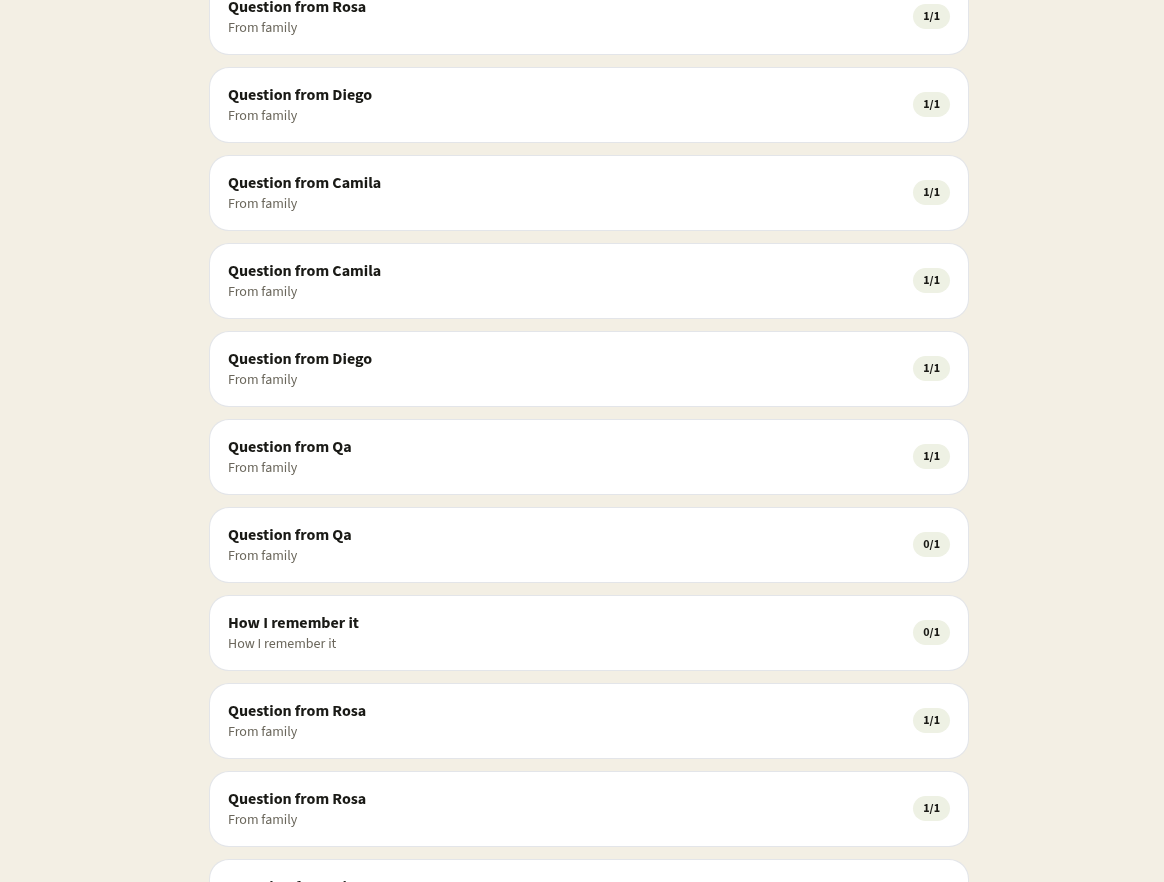
It's designed to take the mental load off you. That's where the 'Nudge' feature comes in. You pick a specific person or relationship you want to tend to — maybe your mom, or an aunt, or your adult child. Kinnect then gives you a personalized prompt once a week for 30 days, tailored to that relationship. It's not a generic reminder; it's a gentle suggestion to reach out, to share something, to ask a real question that actually deepens your connection. It helps you build that daily habit automatically – you choose the relationship, and it does the rest, really.
It's about having that consistent pulse of connection without the pressure, and without relying on someone to be the constant initiator. It just makes it easier to stay close with the people you love, even when they're far away. It helps you reclaim those connections even if your family of origin has drifted apart.
Q: What if my family isn't tech-savvy?
A: Kinnect is designed to be simple and intuitive. It's not about learning complex features, but about creating simple, meaningful interactions. Many family members find the focused prompts less overwhelming than open-ended communication, making it easier to adopt.
Q: I'm worried it'll feel forced or like a chore.
A: The prompts are gentle suggestions, not demanding tasks. The goal is to make connection feel natural and easy, helping you remember to reach out in ways you might genuinely want to, but often forget. It's about building a positive habit, not adding stress.
Q: What if I don't know what to say to a prompt?
A: That's totally normal! The prompts are designed to spark ideas, not demand perfect answers. Even a short thought or a memory shared can be incredibly powerful. The focus is on showing up and sharing, not on crafting eloquent prose.
Q: Will this just become another app we don't use?
A: Kinnect is built differently. It's not a feed you endlessly scroll. It's a curated, private space for your family's enduring story. The Nudge feature is specifically designed to help you build the habit of consistent, low-effort connection, making it less likely to be forgotten.
Keep reading
Kinnect is now LIVE!
Experience the private family network on the web or download the iOS app today.