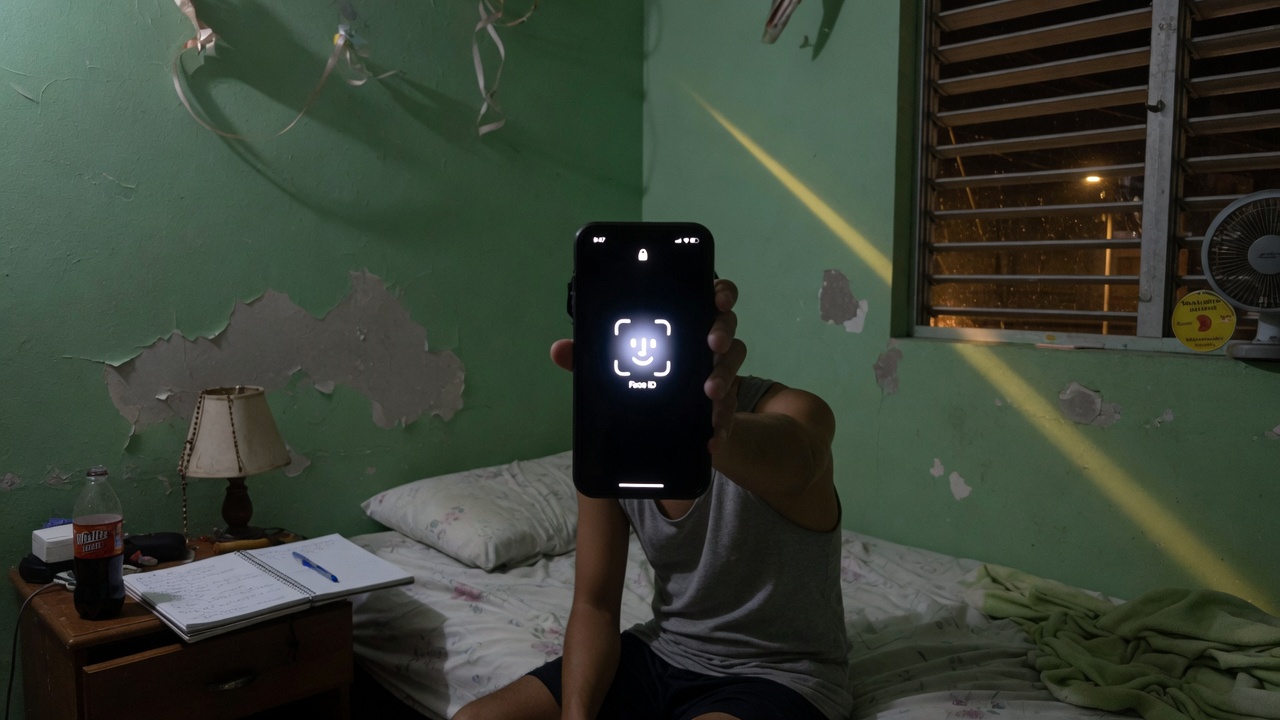
Honestly, it's a scary thought: what if Facebook shuts down family group? Years of photos, posts, and conversations with your loved ones, just... gone. It's not something we really want to think about, but it's a real possibility when you build your family's connection on someone else's platform.
Kinnect is now LIVE! Start your private family group today.
👉 Try Kinnect on the Web
👉 Download the iOS App
I mean, think about it. We pour so much into these digital spaces. Birth announcements, holiday photos, inside jokes, even just everyday check-ins. It all adds up to a pretty incredible archive of your family’s life. But it’s not *your* archive, not really. It lives on someone else's servers, under someone else's rules. And those rules can change on a dime.
We’ve all seen platforms come and go, right? MySpace, Google+, even services that felt invincible. Companies make business decisions. They pivot, they merge, sometimes they just shut things down. Remember Flickr, or even the early days of personal blogs that just vanished? It's not some distant, abstract threat. When a platform goes away, anything you've stored there can vanish with it. Just like that. And trying to salvage years of shared memories when a platform announces it’s closing down? That's a frantic, often impossible scramble.
And even if Facebook itself sticks around, what about its priorities? It's an ad network, first and foremost. Your family's memories are just a side effect, a way to keep you engaged. That’s why the algorithms change all the time, showing you certain things and hiding others. It’s not about serving your family; it's about serving advertisers. So even if the platform doesn't vanish, your family's content can still get buried or become hard to find, all because some new algorithm decided something else was "more engaging."
Plus, there's the privacy thing. I think we all feel it. According to the Pew Research Center, a striking 72% of Americans said they were concerned about the amount of personal information technology companies collect about them back in 2019. I bet that number's even higher now. We upload photos of our kids, share details about our lives, and it all feeds into a system we don’t fully control. It's a trade-off, really. Convenience for a constant sense of unease. You're giving up a lot of control over really personal stuff, just to keep in touch.
And let's be honest, those groups often become a bit of a free-for-all. Notifications about distant acquaintances, endless ads, political arguments from people you barely know. It pulls focus away from your actual family. Sometimes it just feels like more noise, when what you really want is quiet connection. It’s hard to foster deep bonds when you’re constantly wading through a river of distractions.
So, yeah, relying on platforms like Facebook for your family's most precious memories is a bit like building your dream home on rented land. It feels solid for a while, but you never truly own it. And you never know when the landlord might change the locks, or even sell the whole property out from under you. It’s a risk, honestly, that a lot of us just don't think about until it’s too late. The feeling of disconnect, even when we're "connected," can be really isolating. The U.S. Surgeon General’s 2023 advisory noted that over 26% of Americans report feeling lonely on a regular basis. Maybe part of that comes from trying to find deep connection in places not built for it.
How to build a lasting family archive you actually control
Okay, so what are the alternatives, really? Most of us try a mix, right? There are the endless email threads, which are great for sharing documents but terrible for storytelling. And they get buried so fast. Or the chaotic text message chains, where things get lost in the scroll and you can’t easily find that funny photo from last year.
Some families try shared cloud drives, like Google Photos or Dropbox. And those are definitely better for storing actual files. But they're not really built for interaction, for the day-to-day chatter, or for capturing the little stories that make up a family's history. Someone still has to manually upload everything, organize it, make sure everyone has access. It’s a chore, frankly.
The problem with all these workarounds is that they’re either designed for something else entirely, or they put all the burden on one person. Someone ends up being the family archivist, the one chasing everyone for photos and stories, trying to piece together a coherent record. It’s a lot of invisible labor, and it often just fizzles out because it’s too much to maintain.
This is why having a space designed specifically for family connection and legacy matters so much. Something that's built for persistence, not for ads or fleeting trends. Because if you’re trying to keep up with everyone on a platform like Facebook, honestly, it can feel draining. No wonder a Pew Research Center survey found that 64% of Facebook users have taken a break from the platform for several weeks or more. We need a different kind of space.
The hard part is that someone still ends up being the hub — the one texting everyone, chasing updates, managing who knows what. That’s a lot of work. And that’s where Kinnect comes in. It’s a private, invite-only platform that helps families preserve memories, stories, and essential life information across generations, without making anyone the central gatekeeper.
Kinnect is built from the ground up to be a permanent, private archive for your family. It's not a feed you scroll and forget. Each answer, each photo, each story is dated, searchable, and stays in your group forever. Think of it as your family's secure, shared vault of living history. It’s a place where your family’s legacy isn’t dependent on the whims of an ad network. And because it's invite-only, your Kin Group is just that: *your* family. No strangers, no algorithms trying to show you things you don't want to see. Just your people, your stories, and your memories, all safe and sound.
Q: What if Facebook actually shuts down? Will my family memories really be lost?
A: If Facebook were to shut down completely, yes, any content solely stored within its family groups could become inaccessible. It’s happened with other platforms before. This is why it’s risky to rely on a platform not built for permanence for your most precious family history.
Q: Is there a way to download everything from a Facebook group?
A: Facebook allows you to download your personal data, which might include posts and photos you've personally shared. However, downloading an entire group's content, especially posts from other members or comments, is much harder, often impossible, to do comprehensively and maintain its context.
Q: My family members aren't very tech-savvy. Will they be able to use a different platform?
A: A well-designed platform prioritizes ease of use. Many purpose-built family platforms focus on simplicity and intuitive interfaces to make it easy for all generations to participate, often more so than complex social media sites with many features they don't need.
Q: How can I convince my family to switch from Facebook?
A: Focus on the benefits: privacy, control over your memories, and a dedicated space free from ads and distractions. Emphasize that it's about creating a lasting legacy that won't disappear and making it easier to share what truly matters without the noise of social media.
Keep reading
- 3 ways family group chat vs family platform lasts.
- Kinnect vs WhatsApp family chats: Escape the noise, secur...
- Reclaim family: apps like Facebook Groups without Facebook
Kinnect is now LIVE!
Experience the private family network on the web or download the iOS app today.
