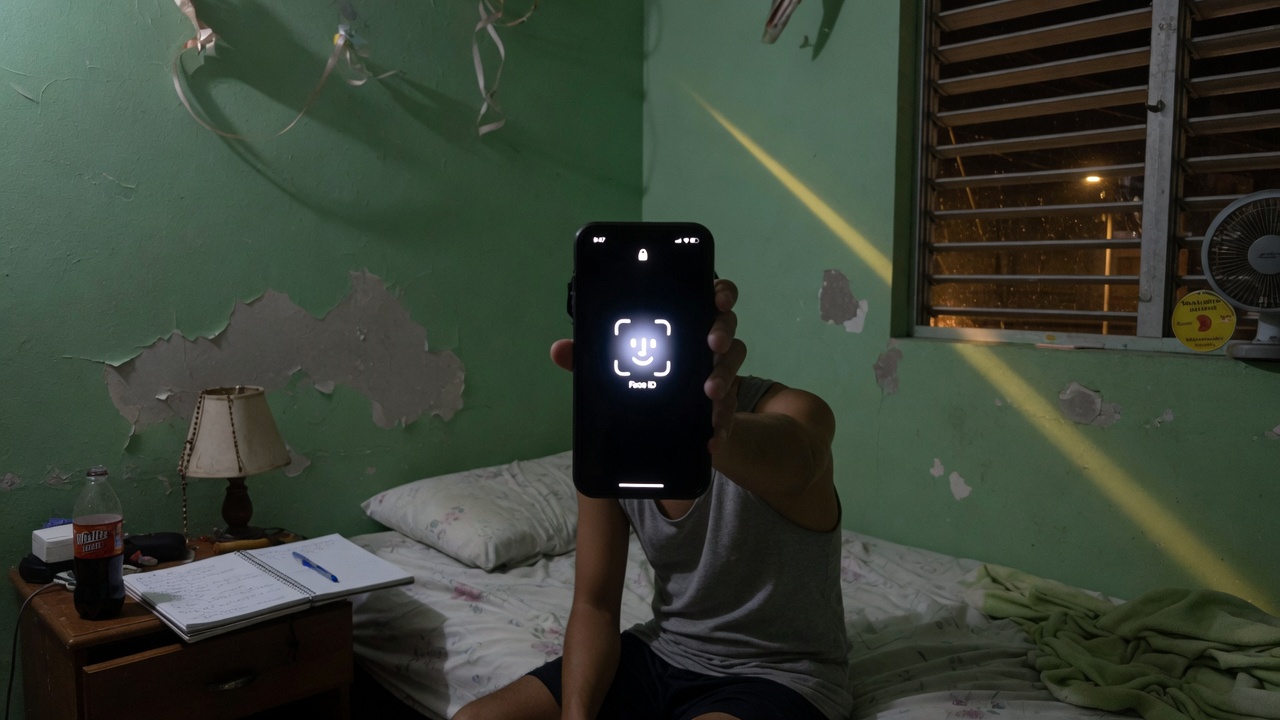
So, what if Facebook shuts down family group content? Honestly, if Facebook were to shut down its family groups, all the photos, videos, and conversations you've shared there would likely be gone for good. They aren't yours, not really, and that's a scary thought when you think about years of memories.
Kinnect is now LIVE! Start your private family group today.
👉 Try Kinnect on the Web
👉 Download the iOS App
It’s a problem a lot of us don’t even think about until it feels too late. We put everything into these platforms because they're easy, they're free, and everyone's already there. But what happens when 'there' isn't there anymore? Or when it changes so much that it's just not useful for connecting with family?
Think about it. Facebook wasn't built to be a permanent family archive. It's an ad network, designed to keep you scrolling, to show you things, to collect data. Your family photos and stories? They're just content that helps keep the machine running. And because of that, those memories are vulnerable.
I've seen it happen. Platforms change their terms, features get deprecated, or sometimes an entire service just shutters. What then? You can try to download everything, but that process is often clunky, incomplete, and certainly not organized in any meaningful way. It's a scramble, and usually, you lose more than you save.
And it's not just Facebook, of course. WhatsApp groups are great for quick chats, but where do those important photos and inside jokes go? They just get buried under endless new messages. You can't really go back and find that one video from Christmas three years ago, can you? It’s too ephemeral. It’s not built for persistence. Same with shared photo albums on Google Photos or iCloud — great for sharing, but not for creating a living, growing family narrative.
We rely on these free services so much, and there's a good reason for it. They are convenient. But that convenience comes with a hidden cost: a lack of true ownership and control over your family's most precious digital artifacts. Frankly, I think that's a trade-off we often make without fully understanding the implications. And it’s why so many of us feel uneasy about it. According to the Pew Research Center, a significant 72% of Americans reported being concerned about the amount of personal information technology companies collect about them back in 2019. That concern hasn't gone away.
We want to share, we want to connect, but we also want to feel like our stories are safe. We want them to last. And these free, public-facing platforms aren't really designed for that long-term, private kind of saving.
How to build a lasting home for your family's memories
Kinnect vs. Facebook Groups
| Feature | Kinnect | Facebook Groups |
|---|---|---|
| Business Model | Subscription (You are the customer) | Ad-supported (You are the product) |
| Privacy | Strictly Invite-Only | Prone to discovery & hacks |
| Content Ownership | You own 100% of your data | Meta owns the rights to your data |
| Algorithm & Ads | Zero ads, chronological timeline | Algorithmic sorting, injected ads |
So, what's the alternative? You could try to curate everything yourself. Maybe you keep a shared hard drive, or everyone backs up their own photos and videos. But honestly, that rarely works. Someone always falls behind. Files get duplicated. It becomes a mess more than a memory bank. And there's no real sense of connection or shared narrative in a folder full of random JPEGs.
The key here isn't just storage. It’s about creating a dedicated space that's intentionally designed for family, for legacy, for stories. It needs to be private. And it needs to be built with the idea that these memories are meant to last, not just float around in an algorithmically driven feed.
You need a place where your family can actually show up for each other, where you can share moments and stories without the noise and distraction of the broader internet. Because, let's be real, sometimes you just want to talk to your people without everything being monetized or analyzed. And people are getting tired of the constant churn. The Pew Research Center noted in 2021 that 64% of Facebook users had taken a break from the platform for several weeks or more. We're looking for something better.
The hard part is that someone still ends up being the hub — the one texting everyone, chasing updates, managing who knows what. That's a lot of pressure, and it can feel like another chore instead of a joyful connection. This is why a lot of families just default to Facebook groups, even with all their problems.
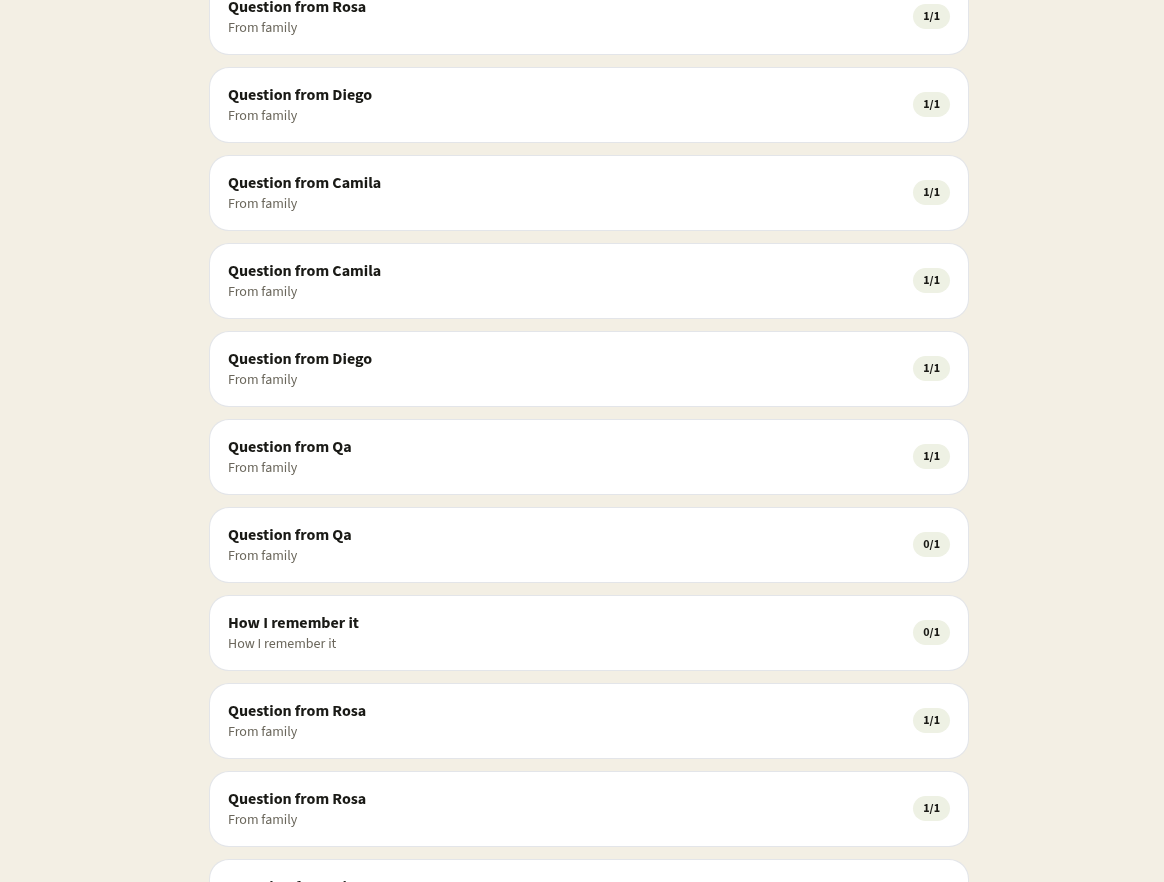
But there's another way. Kinnect is a private, invite-only platform that helps families preserve memories, stories, and essential life information across generations. It’s not social media. It’s infrastructure for your family’s continuity, built for persistence so your stories don't just disappear if a company changes its mind. Kinnect creates a dedicated, permanent archive of your family's real stories over time. Each answer, photo, or conversation is dated, searchable, and stays in your private group forever, safe from the whims of public platforms. It means less stress for whoever usually shoulders that responsibility, and more genuine connection for everyone. You can learn more about how it works at Kinnect.
Frequently Asked Questions about Family Groups & Digital Memories
Q: Will I lose all my family photos if Facebook shuts down?
A: Most likely, yes. If Facebook were to completely shut down its platform or specific features like groups, any photos, videos, or content stored exclusively there would be inaccessible. It's a major risk of relying on free, third-party platforms for your precious memories.
Q: What’s the biggest risk of using free social media for family memories?
A: The biggest risk is a lack of control and persistence. These platforms own your data, can change their terms, or even disappear, taking your family's history with them. They're built for engagement, not for long-term archiving or private legacy building.
Q: How can I ensure my family's digital memories last forever?
A: To ensure longevity, you need a dedicated, private space designed for persistence and ownership. This means moving beyond fleeting social feeds to a platform where your family's content is intentionally stored, organized, and truly belongs to your family, not a tech company.
Q: Is it really worth paying for a family memory platform?
A: Honestly, I think it is, because you're paying for peace of mind, privacy, and permanence. Free platforms come with hidden costs like data monetization and the risk of losing everything. A dedicated platform prioritizes your family's legacy over ad revenue.
Keep reading
Kinnect is now LIVE!
Experience the private family network on the web or download the iOS app today.