While awaiting a formal dementia diagnosis, families can proactively organize legal documents, capture personal memories, and document future care wishes. A private family network like Kinnect provides a secure space to store these vital conversations and legacy recordings, ensuring nothing is lost during this uncertain time.
Kinnect is now LIVE! Start your private family group today.
👉 Try Kinnect on the Web
👉 Download the iOS App
Before a dementia diagnosis, it is crucial to focus on proactive legal, financial, and personal planning while navigating the medical process. This involves organizing Power of Attorney documents, recording your loved one's life stories and care wishes, and consolidating important information in one accessible place for the family to prevent future crises.
The time between noticing the first signs of memory loss and getting a formal diagnosis can feel like a painful, uncertain limbo. You're caught between hope and fear, watching for small changes and navigating a maze of doctor's appointments. It's a period where many families feel powerless, simply waiting for a verdict. But this waiting period is a critical window of opportunity—a chance to act with clarity and purpose before a diagnosis might change everything.
Regret is a powerful and painful emotion, especially for the more than 11 million Americans providing unpaid care for loved ones with dementia. So many families look back and wish they had asked certain questions, recorded specific stories, or organized crucial documents while their parent or partner still had full legal capacity. This guide is built to help you avoid that regret. It’s a playbook for turning a period of anxious waiting into a time of proactive love, connection, and preparation.
7 Crucial Steps to Take While Awaiting a Dementia Diagnosis
Instead of passively waiting, you can take control by focusing on what you can do right now. These seven steps create a foundation of security and clarity for your entire family, no matter what the future holds.
- Consult an Elder Law Attorney. This is the single most important first step. While your loved one still has legal capacity, an attorney can help you establish a durable Power of Attorney for finances and a healthcare proxy (or healthcare Power of Attorney). These documents are essential for managing their affairs and making medical decisions if they become unable to do so themselves. Waiting until after a diagnosis can complicate this process immensely.
- Preserve Their Legacy and Voice. This is the step families regret skipping most. Use this time to capture their stories, their voice, their wisdom. Ask about their childhood, their favorite memories, their advice for future generations. Our own research reveals a profound 'Legacy Preservation Gap': 85% of Gen X adults report they wish they had recorded their parents' voices before they passed, yet only 12% have a system for doing so. Don't let these precious memories fade.
- Document Future Care Wishes. Have gentle, open conversations about their preferences for future care. Would they prefer to stay at home as long as possible? What are their thoughts on assisted living? What kind of end-of-life care would they want? Documenting these wishes in a living will or advance directive provides a clear guide and relieves future decision-making pressure on the family.
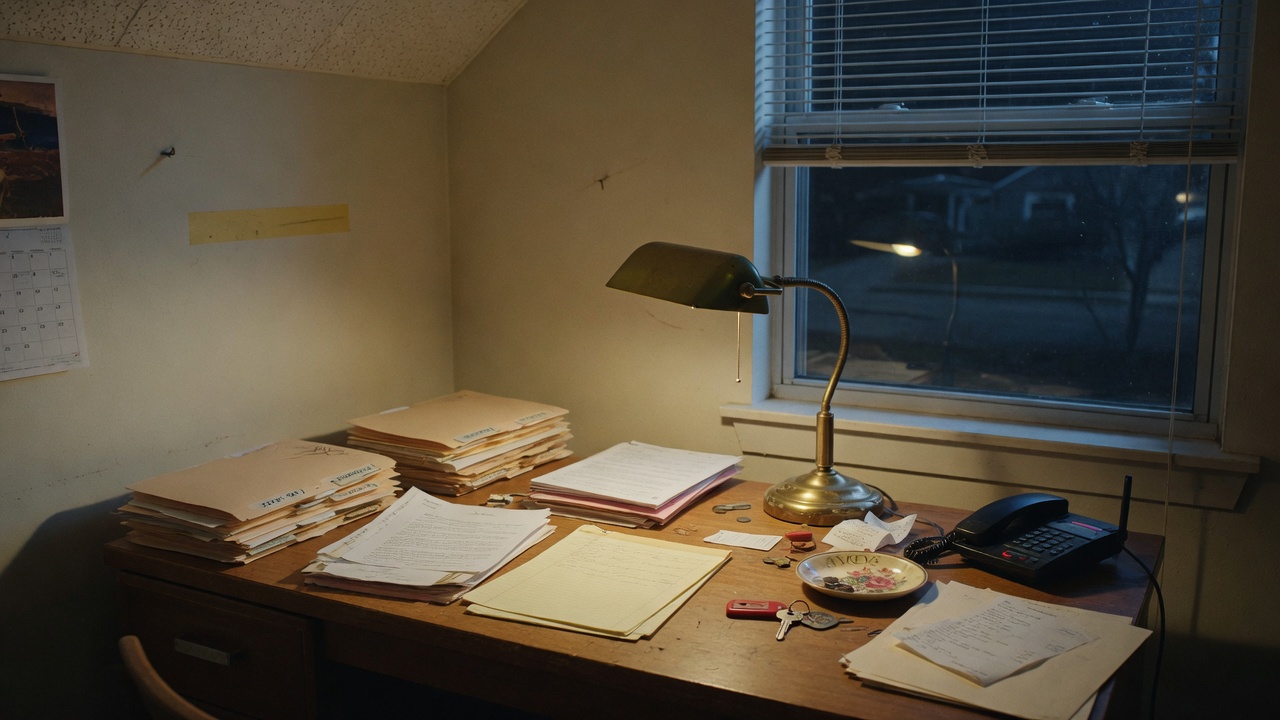
- Build Your Caregiver Command Center. Gather all critical documents into one organized place—physical or digital. This includes legal paperwork, a list of medications and doctors, insurance policies, bank account information, social security details, and important contacts. Having a central hub prevents frantic searching during a crisis.
- Assemble Your Support Network. Caregiving is not a solo sport. Identify family members, trusted friends, and neighbors who can be part of a support team. Have an initial conversation to let them know what's happening and discuss potential ways they might be able to help in the future, whether it's with meals, errands, or simply providing emotional support.
- Conduct a Simple Home Safety Audit. Walk through your loved one's home and look for potential hazards that could become more serious with cognitive decline. Consider adding grab bars in the bathroom, improving lighting, removing trip hazards like loose rugs, and ensuring smoke detectors are working.
- Create Your Own Self-Care Plan. The stress of this uncertain period is immense. Proactively schedule time for yourself to rest and recharge. Acknowledge that your well-being is essential to your ability to provide care. Approximately 40% of family caregivers report high emotional stress; building your resilience now is a vital investment.
Organizing these conversations, documents, and memories can feel overwhelming, but it doesn't have to be scattered across texts, emails, and notebooks. Kinnect was designed to be your family's private, secure command center—a single place to share updates, store vital documents, and save precious voice and video stories for generations to come. It’s the system for the 88% of families who know they need to capture their legacy but don't know where to start.
Kinnect is now LIVE on the App Store and the Web. Create your private family space today and turn this time of uncertainty into one of meaningful connection. Learn more about Kinnect and Download on the App Store.
What are the 3 things to do before a dementia diagnosis?
Before a formal diagnosis, the three most critical actions are to consult an elder law attorney to establish Power of Attorney and a healthcare proxy, document your loved one's life stories and future care wishes, and organize all their vital medical, legal, and financial information into one central place.
What is the first thing a doctor does to diagnose dementia?
The first step a doctor typically takes is a thorough review of the patient's medical history and symptoms. They will often conduct cognitive and neurological tests to assess memory, problem-solving skills, and other mental functions, while also ruling out other possible causes for the symptoms.
How do you get a dementia diagnosis?
A dementia diagnosis is made through a comprehensive medical assessment. This process usually includes a physical exam, a review of medical history, laboratory tests, cognitive and neuropsychological testing, and sometimes brain imaging like a CT or MRI scan to identify potential causes or rule out other conditions.
What are the 10 warning signs of dementia checklist?
The Alzheimer's Association lists ten key warning signs: 1. Memory loss that disrupts daily life. 2. Challenges in planning or solving problems. 3. Difficulty completing familiar tasks. 4. Confusion with time or place. 5. Trouble understanding visual images and spatial relationships. 6. New problems with words in speaking or writing. 7. Misplacing things and losing the ability to retrace steps. 8. Decreased or poor judgment. 9. Withdrawal from work or social activities. 10. Changes in mood and personality.
