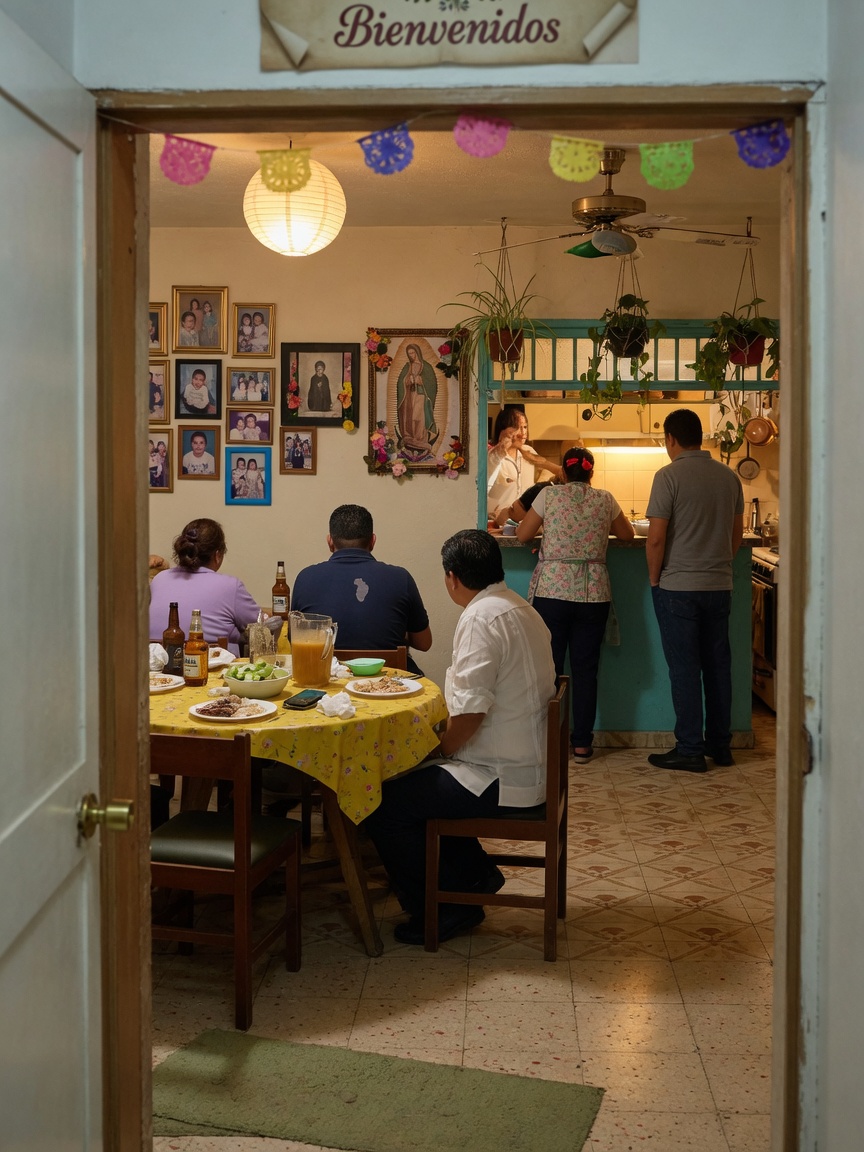
I think a lot of us just fell into using WhatsApp. It was easy, everyone else was on it, and the end-to-end encryption sounded really secure. For years, it was this default, no-brainer way to keep up with family, share photos, crack jokes, and just generally exist together online. And honestly, it worked pretty well for a long time.
Kinnect is now LIVE! Start your private family group today.
👉 Try Kinnect on the Web
👉 Download the iOS App
But then Meta bought it. That changed everything for me, and I know I'm not alone. It's not necessarily that WhatsApp itself suddenly became insecure overnight. The encryption is still there. But the *feeling* of it, the underlying trust, well, that shifted significantly. It’s hard to ignore the parent company's track record with user data, you know? This shift in trust has made many reconsider WhatsApp privacy for family communications.
Suddenly, all those little updates about data sharing policies between WhatsApp and other Meta products like Facebook and Instagram started to feel a lot more personal. When you're just chatting with friends about dinner plans, maybe it doesn't seem like a huge deal. But when it's your family group, with grandparents sharing old stories, or siblings discussing sensitive health updates, or even just parents sharing photos of their kids growing up – that's different. That's private stuff.
And it makes you wonder: what exactly is being shared? Not the content of your encrypted messages, they say. But what about metadata? Who you're talking to, when, how often? What about the general patterns of your family's communication? How does that feed into the larger Meta ecosystem?
It’s a creeping unease, I think. You’re sharing your life, your family’s life, on a platform ultimately owned by a company whose business model is built on collecting and monetizing user data. Even if they promise not to read your specific messages, the fact that your family's digital hub is part of that machine makes a lot of people uncomfortable. And for good reason, if you ask me.
Families, more than almost any other group, need a space where they can feel truly safe and unobserved. They need to know that their conversations, their memories, their jokes, their struggles — that all stays *theirs*. Not just encrypted, but truly private, free from the prying eyes of algorithms designed to sell ads or influence behavior.
Finding a truly private space for your family's stories
So, what's a family to do? You still need a way to connect, right? You still want to share those moments, those photos, those little daily updates that keep everyone feeling close. But maybe you're looking for something that feels less... exposed. Something that doesn't make you wonder if your family's private life is just another data point in a massive advertising engine.
The key, I've found, is looking for platforms that are built differently from the ground up. Not just adding privacy features on top of a data-hungry business model, but actually designing for privacy as a core principle. That means no ads. No algorithms trying to figure out what you 'might like' based on your conversations. No public profiles. Just a clean, simple space for *your* family.
It's about having control. Knowing that what you share, stays with your family. That it's not being analyzed or used for anything else. And that the platform itself isn't trying to pull you into an endless scroll or sell you something.
I think for many families, the shift away from platforms like WhatsApp isn't about ditching technology. It's about being more intentional about *where* they're having these important conversations and storing these precious memories. It's choosing a space that truly respects the intimate nature of family communication.
And that's where something like Kinnect really shines. It’s a private, invite-only platform that helps families preserve memories, stories, and essential life information across generations. It’s not a social feed, and it’s definitely not a place for ads or algorithms. Kinnect stores only what you explicitly share inside your group, ensuring your family's conversations and memories are kept truly private and secure, just for your kin. If you're looking for a dedicated space where your family's digital footprint is owned by you, not by a tech giant, it's worth checking out. You can also learn more about why these kinds of tools are so important in our post, Beyond Photos: The Best App for Preserving Family Memories.
Q: Is end-to-end encryption enough for family privacy on WhatsApp?
A: While end-to-end encryption protects the content of your messages, WhatsApp's Meta ownership means other data, like metadata (who you talk to, when), can be collected. For many families, this broader data collection by a company focused on advertising creates privacy concerns beyond just message content.
Q: What are the main privacy concerns with Meta-owned platforms for families?
A: The main concerns revolve around data ownership and usage. Families worry about how their communication patterns and shared information contribute to Meta's larger data profiles, even if specific message content is encrypted. There's a discomfort with private family life being part of a data-driven business model.
Q: How can families find truly private communication alternatives?
A: Look for platforms that are designed with privacy as a core principle, not just an add-on. Seek out services that are ad-free, algorithm-free, and don't monetize user data. These platforms prioritize keeping your family's information exclusively within your private group.
Q: What kind of information is considered 'private' for families?
A: Private family information includes everything from sensitive health updates and financial discussions to personal stories, childhood memories, and photos of family members. Basically, anything you wouldn't want shared with advertisers or analyzed by external companies is considered private.
Keep reading
Kinnect is now LIVE!
Experience the private family network on the web or download the iOS app today.

