Honestly, families are leaving Facebook Groups because they often become dead spaces or get overwhelmed by noise and irrelevant content. It’s tough to keep a private family space feeling active and safe when it’s mixed in with everything else.
Kinnect is now LIVE! Start your private family group today.
👉 Try Kinnect on the Web
👉 Download the iOS App
I get it. You started that group, or maybe your cousin did, with good intentions. A place for everyone to share updates, photos, maybe even plan the next holiday gathering. And for a while, it probably worked, right?
But then, things started to shift. Maybe it was the endless stream of ads that made it feel less like a family space and more like, well, just another part of Facebook. Or the political posts that crept in, even when everyone agreed to keep things light. Suddenly, that cozy corner for family felt… not so cozy anymore.
The biggest problem, I think, is the algorithm. It’s designed to keep you scrolling, sure, but it’s not designed to prioritize your Uncle Jim’s vacation photos over a random news article or an ad for something you looked at once. So, important family updates just get buried. And people stop checking it as often.
It’s not just the algorithm either. There’s a general fatigue with social media, especially when it comes to privacy. According to the Pew Research Center, a striking 72% of Americans are concerned about the amount of personal information technology companies collect. When you’re trying to share intimate family moments, that feeling of being watched or having your data mined can really put a damper on things.
So, what happens? People stop posting. The group goes quiet. Or, it becomes a free-for-all, full of posts that don’t quite fit, and you end up muting it just to get a little peace. It’s not what anyone intended. You wanted a place for connection, not another source of digital overwhelm.
And honestly, a lot of us just need a break from it all. The Pew Research Center found that 64% of Facebook users have taken a break from the platform for several weeks or more. That means even if your family wants to connect, they might not even be logging in enough to see what’s happening in your group.
It’s not a reflection of your family’s desire to connect, I promise. It’s more about the tool itself just not being built for what families truly need. You want intimacy, privacy, and genuine connection. What you often get on big social platforms is noise, ads, and a feeling that your private moments aren’t actually all that private.
How to create a private space for what really matters
So, if Facebook Groups aren’t cutting it for family connection anymore, where do you go? Where do you find that safe, quiet space where your family can actually share and keep what matters?
I think the answer lies in looking for something that’s built specifically for family, and nothing else. No algorithms trying to sell you things. No public profiles. No endless feeds of strangers. Just your family.
It’s about intentionality. We're all feeling the weight of loneliness these days, too. The U.S. Surgeon General Advisory in 2023 highlighted this, noting that over 26% of Americans report feeling lonely on a regular basis. That makes truly private, meaningful family connection even more critical.
You need a space that encourages real interaction, not just likes and shares. A place where stories can live and grow, where memories are preserved, not buried under the next viral video. Something that feels like your family’s own digital home, not just another rented room in a giant, noisy apartment building.
The hard part is that someone usually ends up being the hub — the one texting everyone, chasing updates, managing who knows what. It’s a lot of emotional labor, and it often falls to one person. That’s just not sustainable.
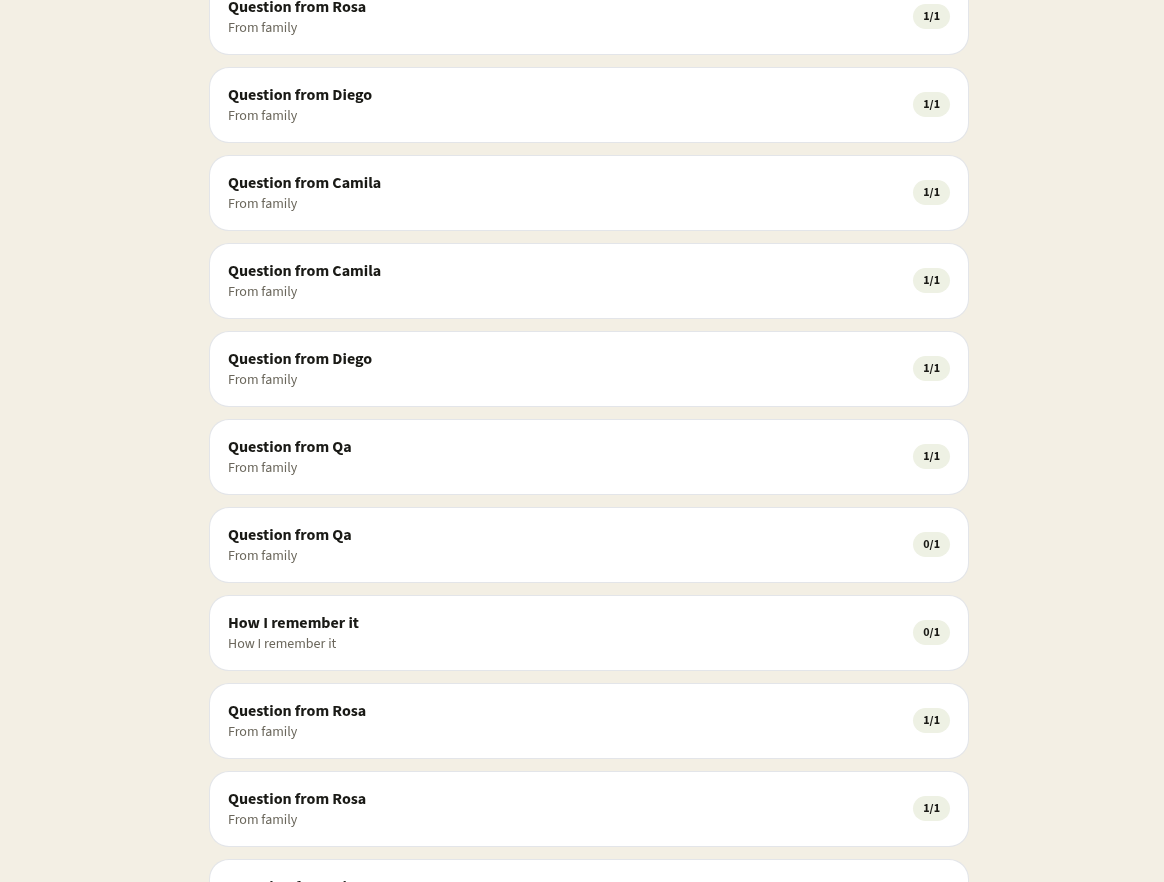
And that’s where something like Kinnect really helps. It’s a private, invite-only platform that helps families preserve memories, stories, and essential life information across generations. It’s designed to be that dedicated family infrastructure, not just another social feed. You invite only the people who belong in your family group, and everything shared stays within that group. No algorithms dictating what you see. No ads trying to distract you. Just a growing record of your family's real stories over time, each answer dated and searchable forever. It takes that burden off one person’s shoulders, letting everyone contribute and stay connected without all the noise.
It’s about building a legacy, you know? Not just sharing quick updates. It’s about creating a living history together, something that will matter years from now, for everyone in your family, including future generations.
FAQs about finding private family connection
Q: My family already struggles with too many apps. Will this just be another one?
A: I hear you. The goal isn't more apps, but the right app. When a tool is built specifically for family connection and nothing else, it often replaces the need for several fragmented ones. Think of it as consolidating your family's digital life into one focused, private space. If you're tired of fragmented solutions, you might find some relief in understanding the problems with everything-apps for family communication.
Q: What if some family members aren't very tech-savvy?
A: That's a common worry. The best family platforms are designed to be intuitive and simple. They strip away the complex features of social media, focusing on easy ways to share stories, photos, and updates without a steep learning curve. For more on this, check out why a dedicated family platform beats a group chat for lasting connection. The privacy aspect can also make less tech-savvy family members feel safer and more willing to participate.
Q: How do you keep a family group active without an algorithm?
A: It comes down to intentional design. Instead of an algorithm pushing content, good platforms offer gentle prompts or shared activities that encourage participation without feeling like a chore. The lack of noise and ads also makes it easier to actually see and engage with family content when it appears, making interactions feel more meaningful and less like shouting into the void.
Q: I’m worried about privacy, even in a private group. How do I know it’s truly safe?
A: That’s a valid concern, especially after years of social media. A truly private platform means no public profiles, no data selling, and no algorithms monitoring your content. It’s invite-only, so you control exactly who sees what. Look for platforms that clearly state their commitment to privacy and data security as a core value, not just a feature.
Keep reading
Kinnect is now LIVE!
Experience the private family network on the web or download the iOS app today.